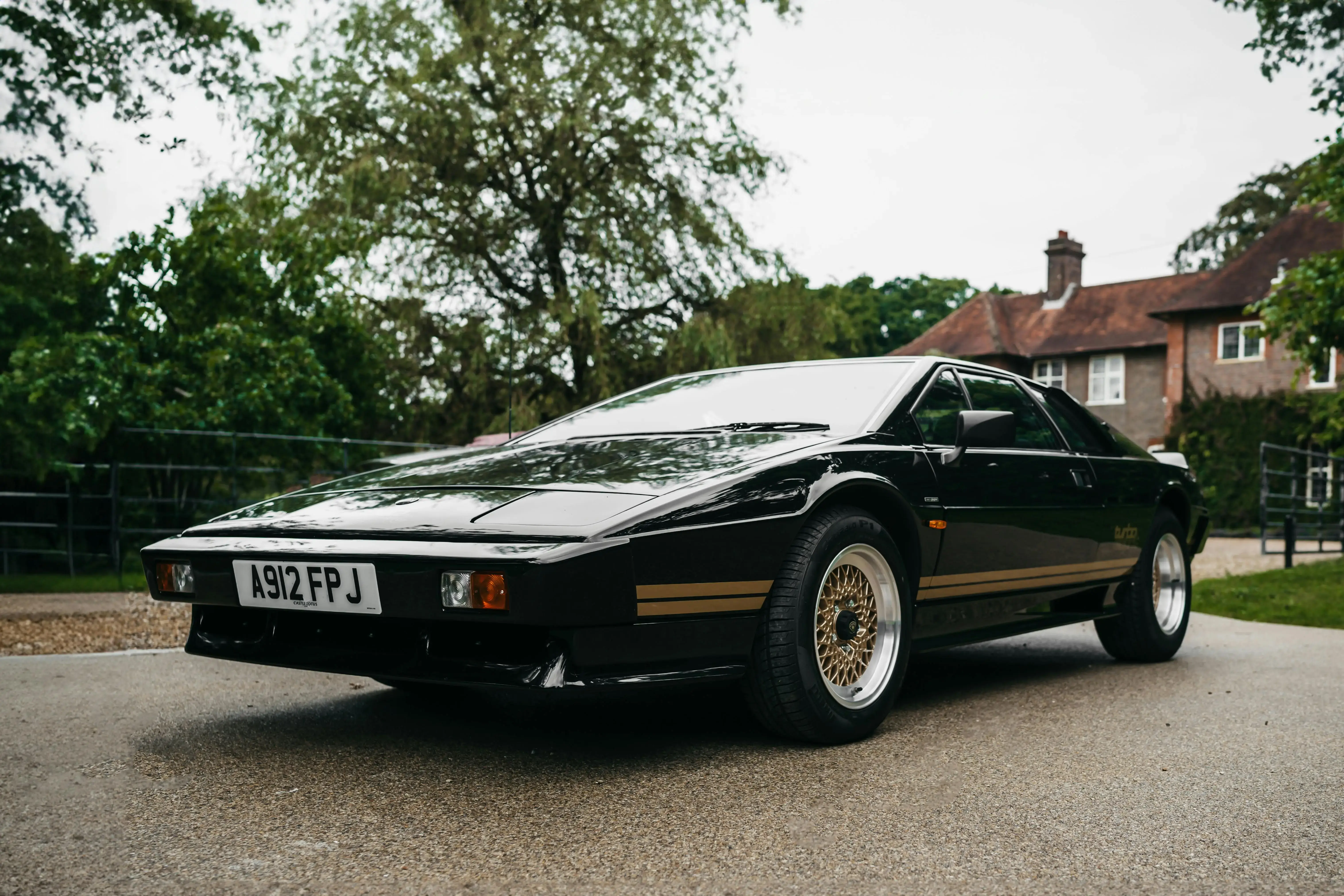

American muscle cars command significant presence in Switzerland and broader European markets, representing automotive passion that transcends continental boundaries. While European roads teem with Porsches, BMWs, and Mercedes-Benzes, Swiss garages increasingly shelter Ford Mustangs, Chevrolet Corvettes, and Dodge Challengers—vehicles that deliver V8 soundtrack, classic American styling, and cultural cachet unavailable in European alternatives. Swiss and European enthusiasm for American muscle reflects specific preferences that favor certain models over others, creating market dynamics that help American sellers identify export opportunities and inform European buyers about availability and values.
This article examines the five American muscle cars that dominate Swiss and European collector attention, explaining why these specific models succeed, what Swiss buyers value, how pricing compares to US markets, and what makes certain generations or variants particularly desirable in European contexts. Understanding these preferences helps American owners evaluate European export potential and guides European enthusiasts toward models with strong community support, parts availability, and market liquidity. For broader context on American cars in Switzerland including VAT refund processes and technical inspection requirements, see our complete guide to American muscle cars in Switzerland. West Coast Shipping provides comprehensive vehicle shipping services between the United States and Switzerland, coordinating logistics for both American exports and European imports.
1. Ford Mustang: The Undisputed European Favorite
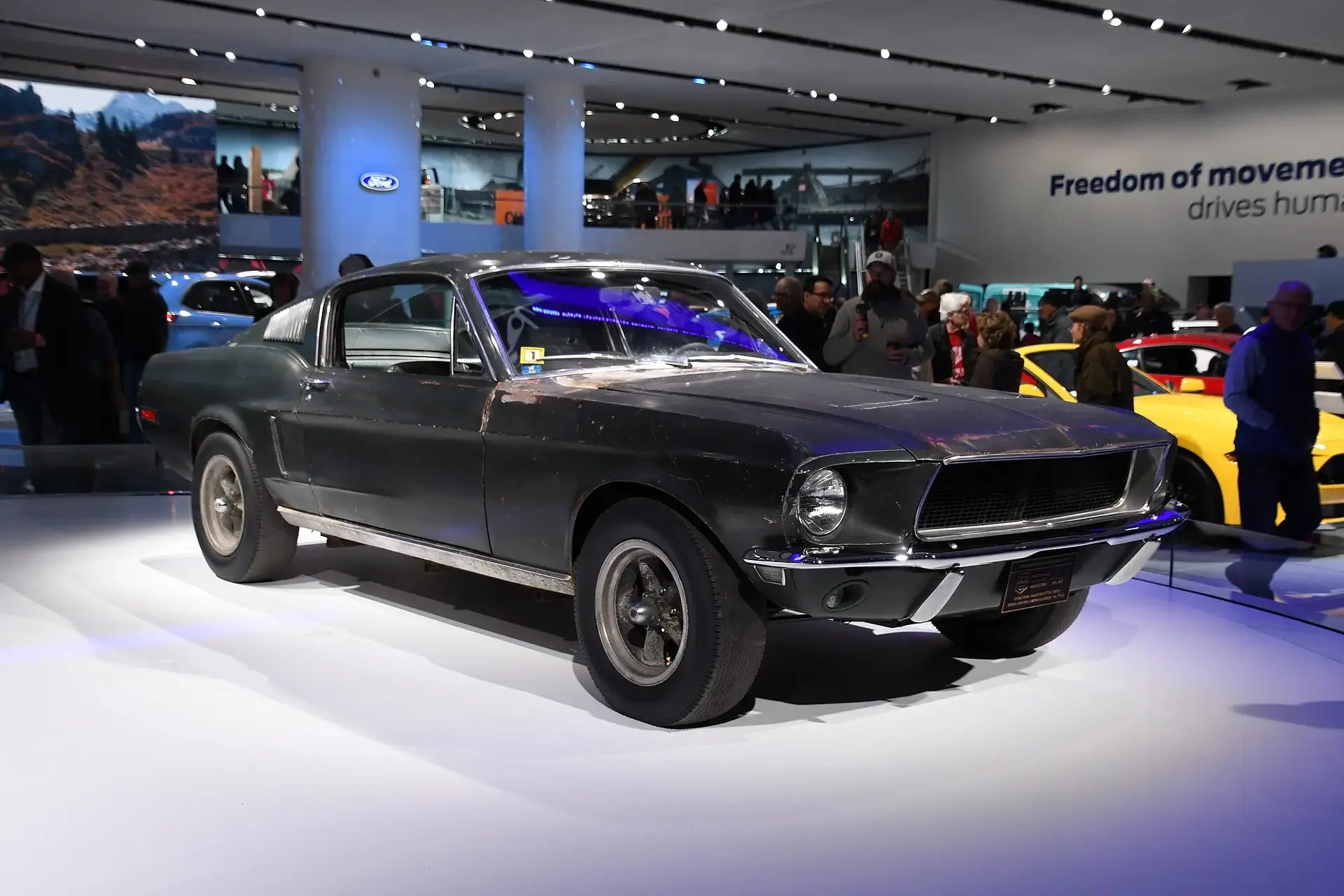
The Ford Mustang stands alone as the most recognizable, most desired, and most commonly encountered American muscle car in Switzerland and across European markets. Mustang's European dominance stems from unique factors that distinguish it from other American performance cars—factors that created sustained demand spanning six decades from the model's 1964 introduction through current production.
Why Mustang Dominates European Markets
Mustang's European success reflects several interconnected advantages over competing American muscle cars. First, Mustang's relatively compact dimensions—particularly compared to full-size American muscle platforms like Chargers, Challengers, and Camaros—fit European road infrastructure, parking spaces, and urban environments more practically. A classic Mustang fastback measures approximately 4.6 meters long and 1.7 meters wide, dimensions that navigate European city centers and country roads with reasonable ease compared to larger American contemporaries that challenge European spatial constraints.
Second, Mustang's cultural penetration into European consciousness through film, television, music, and media created awareness and desire that outlasted Mustang's actual European market presence. European audiences embraced Mustang through Steve McQueen's Bullitt, Gone in 60 Seconds, and countless other media appearances that positioned Mustang as the archetypal American car—freedom, power, and style distilled into automotive form. This cultural positioning means European buyers seek Mustangs not merely as transportation but as participation in American automotive mythology.
Third, Mustang production volume and model variety created availability that other American muscle cars couldn't match. Ford manufactured millions of Mustangs across multiple generations, ensuring sufficient supply to meet European import demand without driving prices to exotic levels. Mustang's range—from economical six-cylinder coupes to high-performance Boss and Shelby variants—offers entry points across budget levels, democratizing Mustang ownership in ways unavailable with lower-production American alternatives.
Swiss Mustang Preferences by Generation
Swiss Mustang enthusiasm spans generations but concentrates most intensely on specific eras that balance collectibility, driving experience, and investment considerations.
First-Generation Mustangs (1964.5-1973): Classic first-generation Mustangs, particularly 1967-1970 fastback models, command premium Swiss collector attention. The 1967-1968 Fastbacks and 1969-1970 Mach 1 variants represent peak desirability, combining iconic styling with performance credibility and investment-grade collector status. Swiss buyers prize these Mustangs for originality—numbers-matching drivetrains, original paint when preservation quality justifies it, and comprehensive documentation establishing provenance and maintenance history.
Swiss first-generation Mustang prices reflect condition quality and specification. Driver-quality six-cylinder or small-block V8 coupes typically trade for CHF 25,000-45,000 ($27,500-49,500), providing accessible classic Mustang ownership without six-figure investment. Quality fastback models with desirable specifications command CHF 60,000-100,000 ($65,500-109,000), while rare Boss 302/429 variants or documented Shelby models reach CHF 150,000-300,000+ ($164,000-328,000+) depending on provenance and condition.
Fox-Body Mustangs (1979-1993): Fox-body Mustangs enjoy surging European appreciation, driven by younger collectors who grew up with these cars in 1980s/1990s media and now possess buying power to acquire them. The 5.0-liter models—particularly 1987-1993 variants with improved fuel injection and interior refinement—attract Swiss buyers seeking affordable classic muscle with straightforward mechanical layouts, abundant parts availability, and potential for enjoyable driving without precious-metal investment concerns.
Swiss Fox-body prices remain remarkably accessible compared to earlier Mustang generations. Quality driver-quality examples typically list for CHF 15,000-25,000 ($16,500-27,500), while exceptionally preserved, low-mileage specimens or special variants like the 1993 Cobra or limited-edition models reach CHF 30,000-45,000 ($33,000-49,500). These prices position Fox-body Mustangs as value alternatives to European sports cars requiring significantly higher acquisition and maintenance costs.
SN95 and New Edge Mustangs (1994-2004): Fourth-generation Mustangs (SN95 1994-1998 and New Edge 1999-2004) occupy interesting Swiss market positioning—modern enough for reliable daily use, old enough for classic car eligibility in some European protection and registration frameworks, and affordable enough for enthusiast ownership without major financial commitment. The 1996-2004 GT models with 4.6-liter V8 power and the 1999-2004 Cobra variants with supercharged or independent rear suspension appeal to Swiss buyers seeking American V8 character with contemporary reliability and comfort.
Swiss fourth-generation Mustang prices typically range CHF 12,000-30,000 ($13,100-33,000) depending on model year, specification, mileage, and condition. The 2003-2004 Cobra "Terminator" models with supercharged 4.6-liter V8s producing 390 horsepower command premium prices—often CHF 35,000-50,000 ($38,300-54,500)—reflecting their performance capability and growing collector recognition.
S197 and Later Modern Mustangs (2005-Present): Modern Mustangs from the S197 generation (2005-2014) forward penetrated European markets through official Ford Europe imports, creating legitimate right-hand-drive availability and European-specification compliance for the first time in Mustang history. Swiss roads now feature substantial numbers of S550 Mustangs (2015-2023) and current S650 generation (2024+) cars purchased through authorized dealers, though American-specification left-hand-drive examples continue importing for collectors seeking variants unavailable through European channels—particularly high-performance Shelby GT350/GT500 models not officially imported to Europe.
Swiss modern Mustang prices for used examples typically range CHF 30,000-60,000 ($33,000-65,500) for standard GT and EcoBoost variants, while Shelby models command CHF 70,000-120,000+ ($76,500-131,000+) depending on variant and mileage. The accessibility of modern Mustang performance at these price points—zero-to-100-km/h times under 5 seconds, sophisticated chassis dynamics, comfortable daily-driver packaging—positions them as compelling alternatives to significantly more expensive European sports cars.
Why Swiss Buyers Choose Mustangs
Beyond practical dimensions and cultural cachet, Swiss Mustang enthusiasm reflects specific values aligning with broader Swiss automotive culture. Swiss buyers appreciate Mustang's mechanical accessibility—straightforward V8 engines with abundant aftermarket support, suspension systems using conventional designs familiar to enthusiast mechanics, and electronics that remain serviceable without manufacturer-proprietary diagnostic tools that complicate European exotic ownership.
Swiss Mustang ownership also benefits from active European Mustang clubs and communities providing technical support, parts sourcing knowledge, event organization, and social connection. Switzerland hosts regular Mustang gatherings, mountain pass drives, and show events where owners share passion for American muscle in European context. This community infrastructure reduces the isolation that can affect owners of obscure American imports, creating support networks that ease parts acquisition and maintenance challenges.
2. Chevrolet Corvette: America's Sports Car Earns European Respect
.webp?width=1920&height=1280&name=C3_Corvettes_(1968-1982).webp)
The Chevrolet Corvette occupies unique positioning in Swiss and European markets—a legitimate sports car that earns respect from European enthusiasts accustomed to Porsche, Ferrari, and other continental performance machines, while retaining distinctly American character that differentiates it from European alternatives. Corvette's Swiss presence spans generations, with specific eras commanding particular collector and enthusiast attention.
Corvette's Performance Credibility in Europe
European automotive culture typically dismisses American cars as straight-line performers lacking the chassis sophistication and handling finesse European manufacturers prize. Corvettes—particularly from the C4 generation (1984-1996) forward—challenged these stereotypes by delivering genuine sports car dynamics that competed effectively against European alternatives on twisting roads and race circuits. The C4's transverse rear leaf spring, the C5/C6's sophisticated chassis engineering, and the C7/C8's world-class performance credentials forced European recognition that American sports cars could match or exceed European handling standards while delivering V8 sound character and relative affordability unavailable in European competitors.
This performance credibility matters intensely in European markets where buyers scrutinize handling balance, steering feedback, and chassis communication with standards shaped by Porsche 911s, BMW M cars, and mid-engine Italian exotics. Corvettes that prove competent on alpine passes and track days earn enthusiast respect that translates to sustained collector interest and strong resale values in Swiss markets.
Swiss Corvette Preferences by Generation
C2 Corvettes (1963-1967): Second-generation Corvettes, particularly Split Window Coupes from 1963 and big-block convertibles from 1965-1967, represent investment-grade classics in Swiss markets. These Corvettes' Sting Ray styling, independent rear suspension, and available big-block V8 power created performance that rivaled contemporary European GT cars while offering distinctive American design language. Swiss C2 prices typically exceed CHF 100,000 ($109,000) for quality examples, with exceptional Split Window Coupes or documented racing history cars commanding CHF 150,000-250,000+ ($164,000-273,000+).
Swiss collectors view C2 Corvettes as blue-chip investments comparable to European classics from the 1960s—Porsche 911s, Jaguar E-Types, Mercedes-Benz SLs—offering similar appreciation potential with American character that diversifies European-heavy collector portfolios.
C3 Corvettes (1968-1982): Third-generation Corvettes dominate Swiss Corvette visibility, with chrome bumper models (1968-1973) attracting enthusiasts seeking classic American sports car styling and rubber bumper variants (1974-1982) offering more accessible pricing for driving enjoyment. The C3's long production run, substantial manufacturing volume, and wide specification range create entry points across budget levels—from affordable L48-powered coupes suitable for weekend driving to rare L88 or ZR1 variants commanding six-figure valuations.
Swiss C3 prices typically range CHF 25,000-40,000 ($27,500-43,500) for driver-quality rubber bumper examples, CHF 45,000-75,000 ($49,500-82,000) for quality chrome bumper cars, and CHF 80,000-150,000+ ($87,500-164,000+) for rare high-performance variants or exceptionally preserved examples. These prices position C3 Corvettes as value alternatives to equivalent-era European sports cars requiring higher acquisition costs and more expensive maintenance.
C4 Corvettes (1984-1996): Fourth-generation Corvettes, while sometimes dismissed in US markets as dated modern classics, enjoy stronger European appreciation reflecting their genuine sports car credentials and accessible pricing. The C4's sophisticated chassis, available ZR-1 variant with Lotus-engineered engine, and distinctive angular styling create appeal for Swiss buyers seeking capable performance cars at bargain prices compared to European alternatives.
Swiss C4 prices range CHF 15,000-30,000 ($16,500-33,000) for standard models, with ZR-1 variants commanding CHF 40,000-60,000 ($43,500-65,500) reflecting their limited production and performance significance. The C4's mechanical straightforwardness, parts availability through American supplier networks, and capability as track-day cars create Swiss enthusiast following that appreciates the generation's value proposition.
C5 and C6 Corvettes (1997-2013): Fifth and sixth-generation Corvettes represent sweet spots in Swiss sports car markets—modern enough for contemporary performance and reliability, old enough for depreciation to deliver remarkable value, and capable enough to challenge significantly more expensive European alternatives. The C5's LS1/LS6 V8 engines and revolutionary hydroformed chassis structure, and the C6's refined execution with LS2/LS3/LS7 power, create sports cars delivering supercar acceleration and handling at prices that seem implausibly low to European buyers accustomed to Porsche and Ferrari pricing.
Swiss C5/C6 prices typically range CHF 25,000-45,000 ($27,500-49,500) for standard models, CHF 50,000-75,000 ($54,500-82,000) for Z06 variants, and CHF 60,000-90,000+ ($65,500-98,500) for ZR1 models. These prices deliver performance capabilities—zero-to-100-km/h times under 4 seconds, top speeds exceeding 300 km/h, track lap times rivaling or exceeding European exotics—at fractions of European supercar costs, creating value propositions that justify import expenses and American-specification compliance challenges.
Corvette Ownership in Swiss Context
Swiss Corvette ownership benefits from active European Corvette communities providing technical support, organized driving events, and social connection among owners sharing passion for American sports cars. European Corvette clubs host mountain pass tours, track days, and social gatherings that create ownership experiences extending beyond individual vehicle possession to community participation.
Parts availability for Corvettes in Europe requires American supplier relationships for certain components, though major mechanical parts for LS-platform C5/C6 models benefit from GM's global presence and LS engine adoption in numerous applications. Swiss Corvette specialists and performance shops understand American V8 architecture, offering service and modification expertise that eases ownership compared to exotic American imports lacking local specialist support.
3. Dodge Challenger: Modern Muscle with Retro Soul
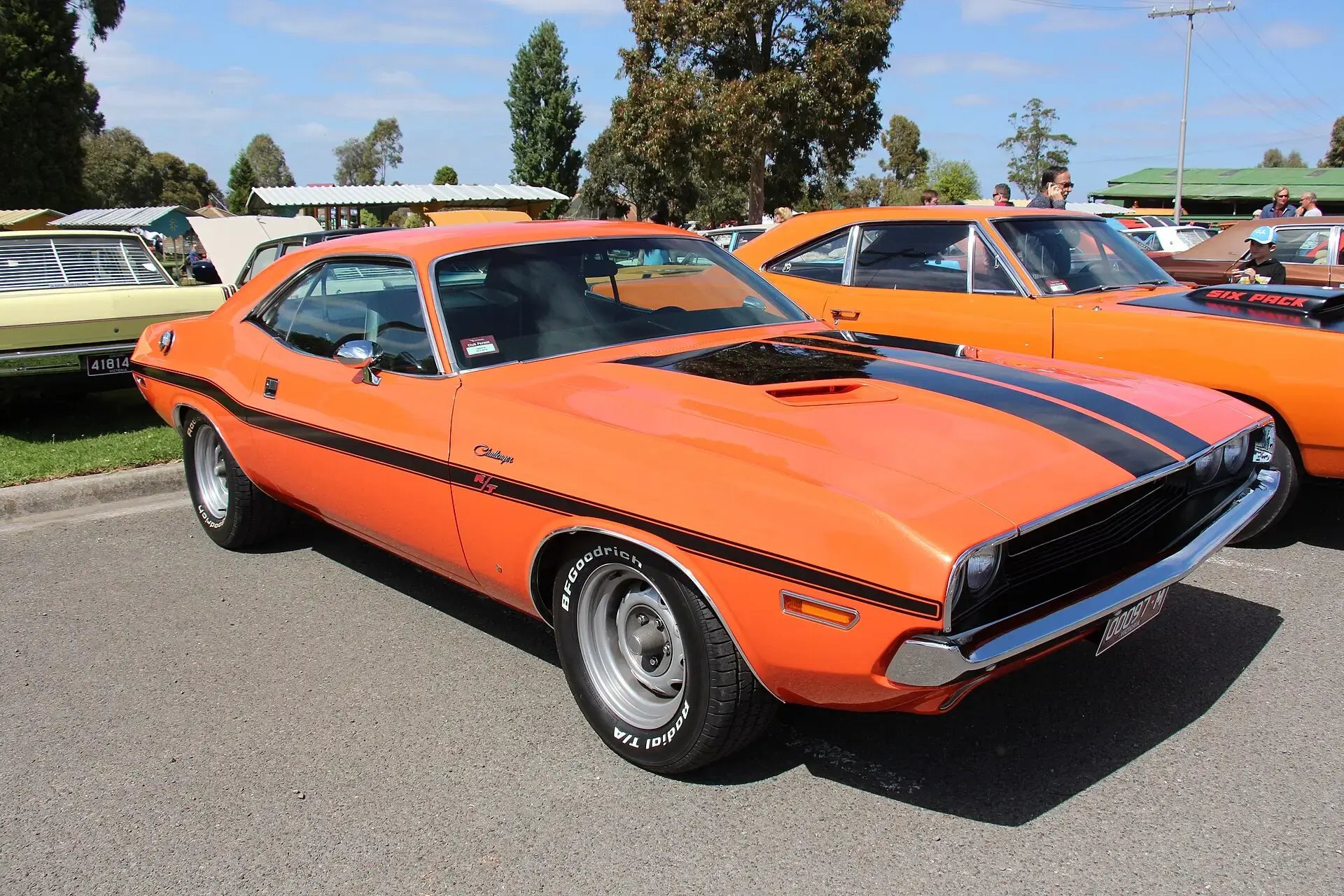
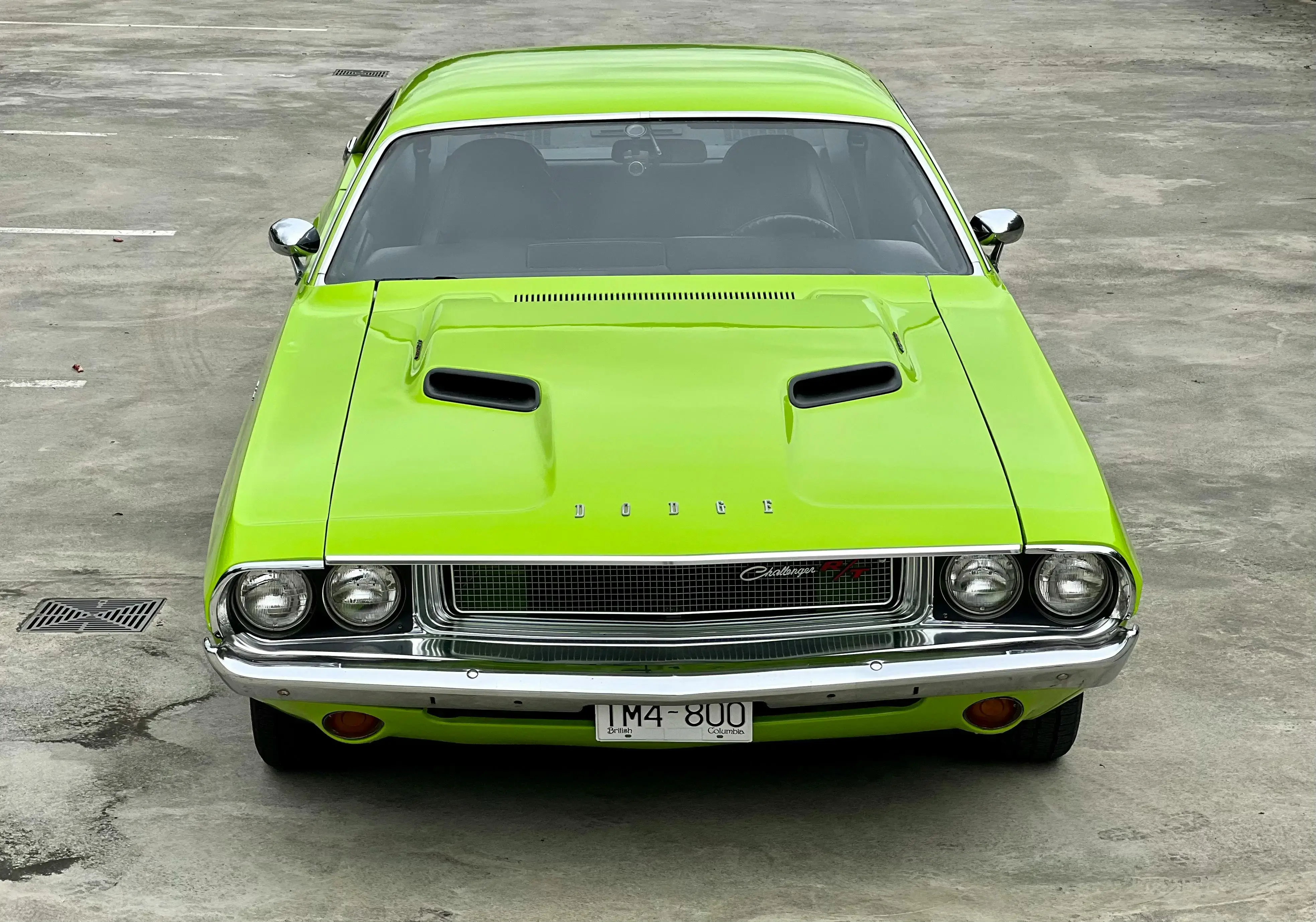
The modern Dodge Challenger (2008-2023 production) captured Swiss and European imagination by delivering authentic American muscle car experience—large-displacement V8 engines, retro styling honoring 1970s predecessors, straight-line performance emphasis, and unapologetic presence—in packaging that proved reliable enough for European daily use and accessible enough for enthusiast ownership without exotic-car budget requirements.
Why Challenger Succeeded in European Markets
Challenger's European success, despite never receiving official right-hand-drive production or comprehensive European-market homologation, reflects the model's distinctive character in an automotive landscape increasingly dominated by efficiency regulations, downsized engines, and performance delivered through forced induction rather than displacement. European enthusiasts embraced Challenger for its refusal to compromise American muscle car values—V8 sound, naturally aspirated power delivery in non-Hellcat variants, classic two-door coupe proportions—even as these characteristics disappeared from European domestic models.
The Challenger's relatively practical packaging—usable rear seats, substantial trunk space, comfortable highway cruising capabilities—distinguished it from pure sports cars like Corvette while delivering American muscle cachet unavailable in European performance sedans. Swiss buyers could own a Challenger as legitimate daily transportation rather than weekend-only indulgence, expanding ownership demographics beyond collectors to enthusiasts seeking distinctive everyday vehicles.
Swiss Challenger Market Segments
SRT Variants (392 Hemi, Hellcat, Hellcat Redeye, Demon): High-performance SRT Challengers attract Swiss buyers seeking maximum American muscle experience—supercharged Hellcat and Redeye models delivering 700+ horsepower, naturally aspirated 392 Hemi variants providing classic muscle sound without forced induction, and limited-production Demon models representing ultimate straight-line performance. These Challengers' performance specifications—zero-to-100-km/h times under 4 seconds, quarter-mile times under 11 seconds for Hellcat variants—match or exceed European supercars costing multiples of Challenger pricing.
Swiss Hellcat prices typically range CHF 60,000-80,000 ($65,500-87,500) for used examples with moderate mileage, while low-mileage preserved specimens or rare variants like Redeye Widebody or final-year models command CHF 85,000-110,000+ ($93,000-120,000+). These prices deliver supercar-level acceleration and drama with distinctive American character unavailable in European alternatives at similar costs.
R/T and Scat Pack Models: Mid-level Challengers with naturally aspirated 5.7-liter or 6.4-liter Hemi V8 engines provide more accessible entry to Challenger ownership while retaining American muscle character. The R/T's 375 horsepower and Scat Pack's 485 horsepower deliver strong performance without Hellcat supercharging complexity or protection cost implications, creating Challengers that function as practical daily drivers with weekend performance capability.
Swiss R/T and Scat Pack prices typically range CHF 35,000-55,000 ($38,300-60,000) depending on model year, options, and mileage. These prices position mid-level Challengers as compelling alternatives to European performance sedans requiring similar acquisition costs but lacking Challenger's distinctive American character and V8 soundtrack.
V6 and Base Models: Entry-level Challengers with V6 engines see limited Swiss presence, as European buyers importing American cars typically prioritize V8 power and authentic muscle car experience over fuel economy. The few V6 Challengers in Swiss markets generally arrived through personal imports by American expatriates or military personnel rather than through collector/enthusiast channels actively seeking American muscle cars.
Challenger Ownership Considerations
Challenger's substantial dimensions—approximately 5.0 meters long and 1.9 meters wide—create parking and urban navigation challenges in Swiss cities with infrastructure designed for smaller European vehicles. Swiss Challenger owners typically reside in suburban or rural areas where garage space and road widths accommodate American-size vehicles, or accept urban parking limitations as acceptable trade-offs for Challenger ownership experience.
Parts availability for Challengers in Switzerland requires American supplier relationships for certain components, though mechanical parts for common Hemi V8 engines benefit from Chrysler's platform sharing across multiple models and relatively straightforward architecture. Swiss and European Mopar specialists provide service and modification expertise supporting Challenger ownership, though specialist networks remain less developed than Ford or Chevrolet support infrastructure reflecting Dodge's smaller European presence.
4. Chevrolet Camaro: Mustang's Eternal Rival
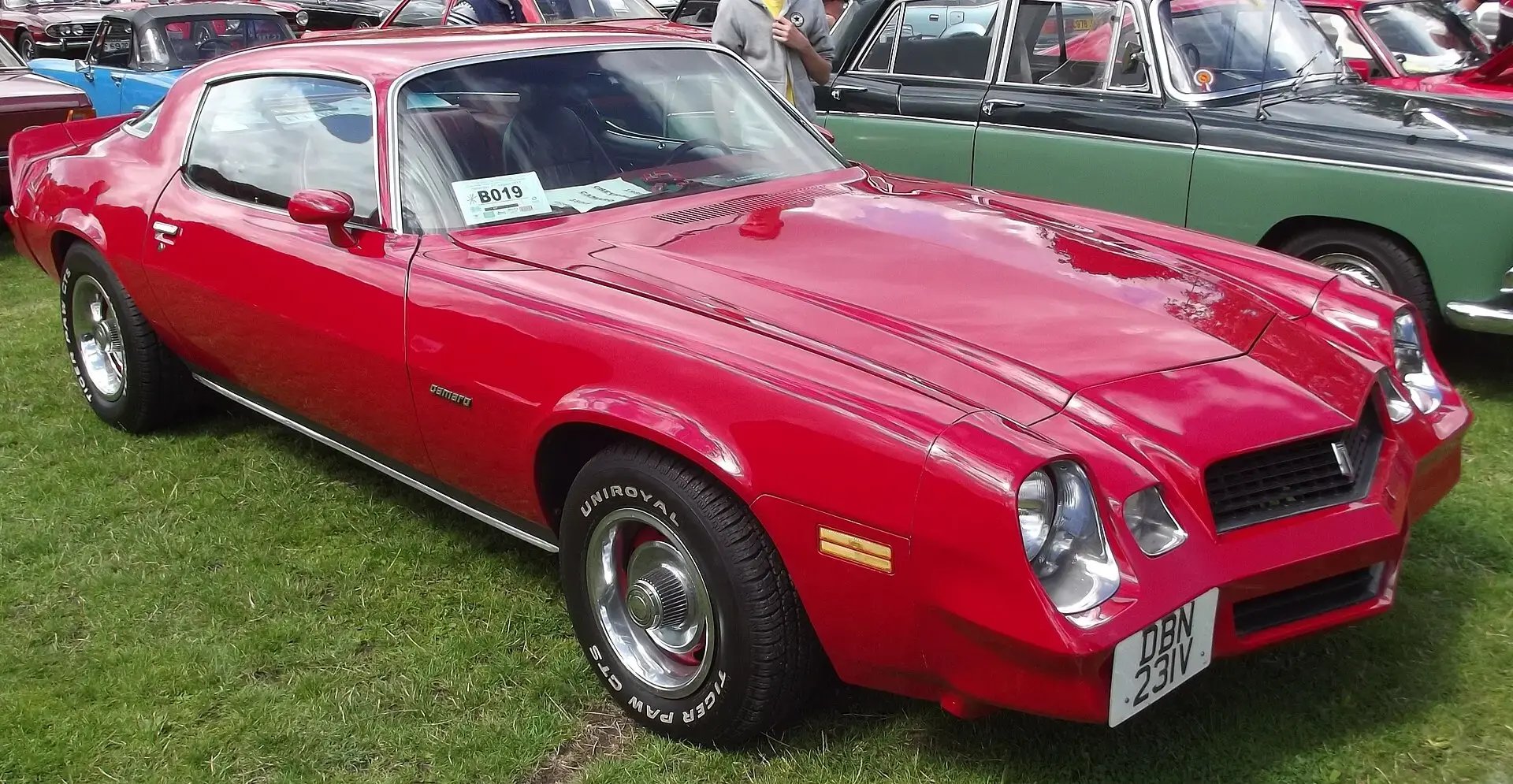
The Chevrolet Camaro's Swiss and European presence runs parallel to Mustang's though with somewhat lower overall volume reflecting Camaro's historically smaller production numbers and slightly less iconic cultural positioning. Swiss Camaro enthusiasm concentrates on high-performance variants and classic-era models rather than base-model participation prevalent in Mustang markets, creating Camaro demographic skewing toward serious enthusiasts and collectors rather than casual American car admirers.
Swiss Camaro Preferences by Generation
First-Generation Camaros (1967-1969): Early Camaros, particularly Z/28 models with Trans-Am racing heritage and SS big-block variants, command Swiss collector attention comparable to equivalent-specification Mustangs. The first-generation Camaro's aggressive styling, performance credentials, and limited European presence relative to Mustang create scarcity value that attracts collectors seeking distinctive American muscle beyond Mustang ubiquity.
Swiss first-generation Camaro prices typically range CHF 50,000-90,000 ($54,500-98,500) for quality driver examples, CHF 100,000-150,000 ($109,000-164,000) for exceptional Z/28 or big-block SS models, and CHF 150,000-250,000+ ($164,000-273,000+) for rare variants with documented racing history or exceptional provenance. These prices position first-generation Camaros as serious collector cars rather than accessible entry-level American muscle.
Second-Generation Camaros (1970-1981): Second-generation Camaros see limited Swiss presence compared to contemporary Mustangs or Corvettes, though early split-bumper models (1970-1973) and Z/28 variants attract enthusiast attention. The second-generation's longer production run and emissions-era power decline through the 1970s create less consistent collector interest than first-generation models' shorter timeline and stronger performance specifications.
Swiss second-generation prices range CHF 25,000-50,000 ($27,500-54,500) for quality examples depending on year and specification, representing accessible classic American muscle for buyers seeking alternatives to more common Mustang or Corvette ownership.
Fourth-Generation Camaros (1993-2002): Fourth-generation Camaros, particularly LS1-powered SS and Z28 models from 1998-2002, represent accessible modern muscle in Swiss markets. These Camaros' combination of GM LS-platform V8 reliability, T-top or convertible body styles, and performance capabilities that remain competitive with contemporary European sports cars create appeal for Swiss buyers seeking American muscle without classic car investment requirements or maintenance complexities.
Swiss fourth-generation Camaro prices typically range CHF 18,000-35,000 ($19,700-38,300) for quality examples, positioning them as value alternatives to more expensive classic muscle cars or modern European performance vehicles. The LS1 engine's bulletproof reputation and aftermarket support strengthen fourth-generation Camaro appeal for enthusiast buyers prioritizing driving enjoyment over investment potential.
Sixth-Generation Camaros (2016-2024): Modern sixth-generation Camaros attracted Swiss performance buyers through sophisticated chassis engineering rivaling European sports sedans, available turbocharged four-cylinder and V6 options alongside traditional V8 power, and styling balancing modern aggression with classic Camaro design cues. ZL1 and 1LE track-focused variants particularly resonated with Swiss driving enthusiasts seeking capable performance cars for alpine pass driving and occasional track-day use.
Swiss sixth-generation Camaro prices for used examples typically range CHF 35,000-55,000 ($38,300-60,000) for standard SS models, CHF 60,000-85,000 ($65,500-93,000) for ZL1 variants, and CHF 45,000-65,000 ($49,500-71,000) for 1LE track packages depending on specification and mileage. These prices deliver serious performance capability at costs significantly below equivalent European alternatives.
Why Camaro Trails Mustang in European Markets
Camaro's lower European volume compared to Mustang reflects several factors beyond pure product merit. Mustang's cultural penetration into European consciousness through decades of media exposure created awareness and desire that Camaro couldn't match despite comparable or superior performance in many generations. Mustang's slightly smaller dimensions and perceived manageability on European roads also contributed to higher adoption rates among European buyers concerned about American vehicle practicality in European contexts.
However, Camaro's smaller European presence creates advantages for enthusiasts seeking distinctive alternatives to Mustang ubiquity. Swiss roads feature relatively few Camaros compared to Mustang population density, giving Camaro owners greater distinctiveness and reducing the "every American car is a Mustang" effect that can diminish Mustang ownership specialness in European contexts.
5. Classic American Muscle: Charger, Chevelle, GTO, and Golden-Era Icons
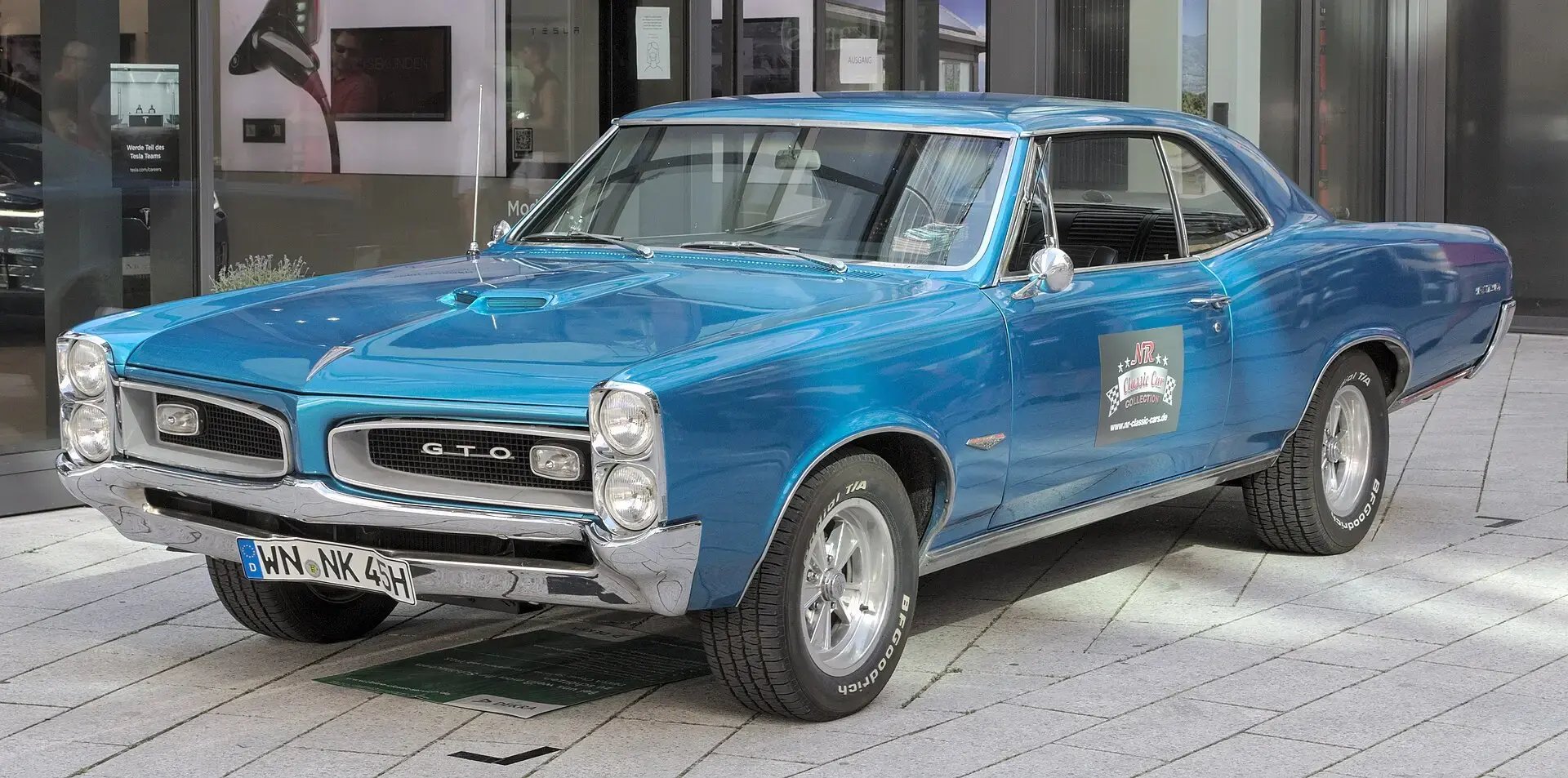
Beyond the consistent top-four American muscle car preferences (Mustang, Corvette, Challenger, Camaro), Swiss and European enthusiasm extends to classic American muscle from the golden era (1964-1974) that represents peak American performance car design before emissions regulations and fuel crisis economics reshaped automotive priorities. These specialty muscle cars appear less frequently in Swiss markets than Mustangs or Corvettes but command serious collector attention when quality examples surface.
Dodge Charger: Aggressive Styling Icon
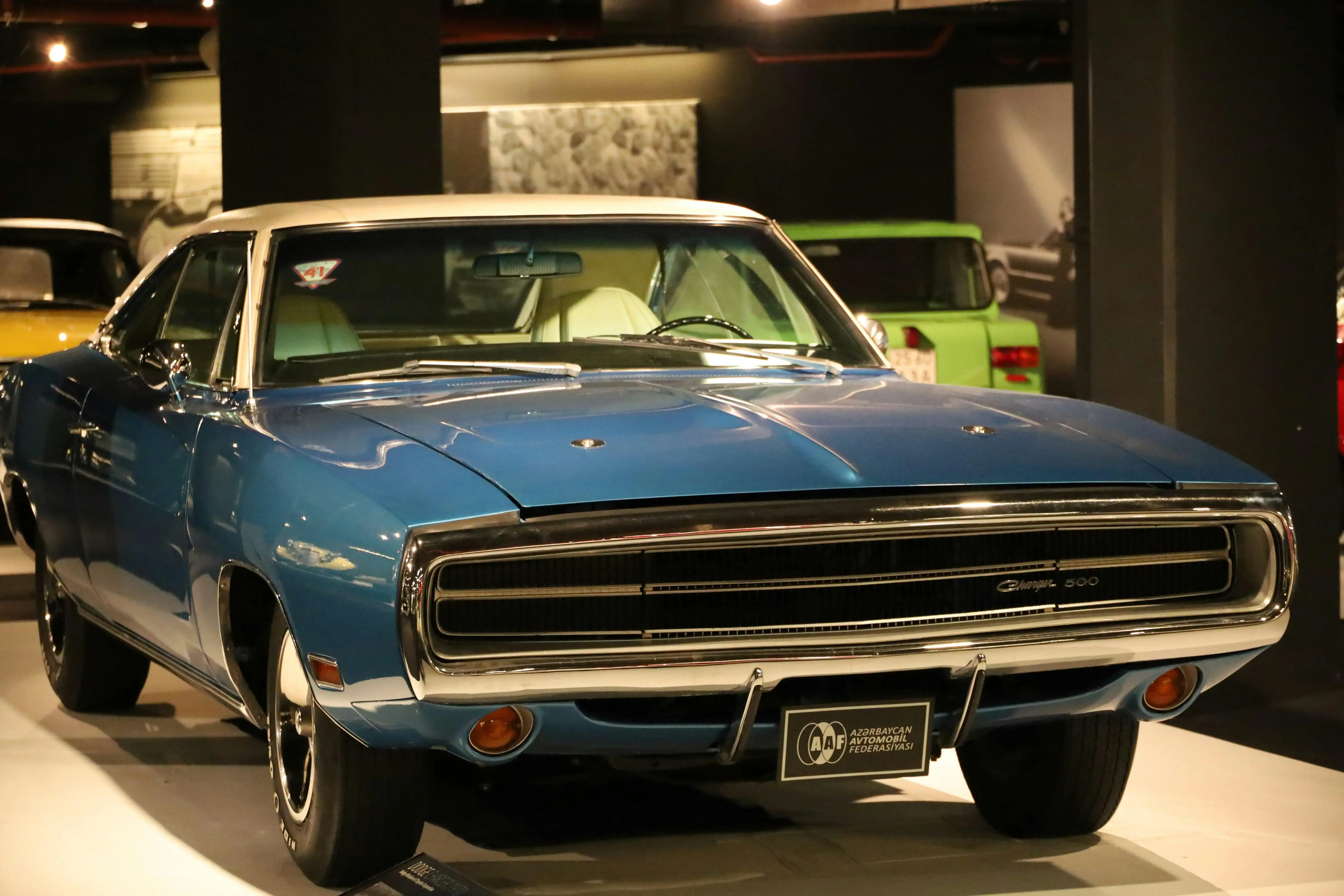
Classic Dodge Chargers, particularly 1968-1970 models with fastback styling and available Hemi V8 power, attract Swiss collectors seeking American muscle cars with aggressive presence and performance credentials. The 1969 Charger represents peak desirability—combining refined second-generation styling with full range of performance options including legendary 426 Hemi engine—though actual Hemi cars rarely appear in European markets reflecting their extreme scarcity and seven-figure valuations in US domestic markets.
Swiss Charger prices for non-Hemi examples typically range CHF 60,000-120,000 ($65,500-131,000) depending on engine specification (440 Six Pack, 383, or 318), transmission (four-speed manual commands premiums), and condition quality. Documented Hemi Chargers occasionally surface through specialist European dealers commanding CHF 300,000-600,000+ ($328,000-655,000+) reflecting their investment-grade collector status.
Chevrolet Chevelle SS: Understated Power
Chevrolet Chevelle SS models, particularly 1970 LS6-powered variants representing pinnacle American muscle performance, command serious Swiss collector attention despite limited European presence. The Chevelle's relatively understated styling compared to contemporary Chargers or GTOs appeals to collectors valuing performance substance over styling flash, creating dedicated enthusiast following even with lower overall visibility.
Swiss Chevelle SS prices typically range CHF 70,000-140,000 ($76,500-153,000) for quality 1970-1972 models with desirable big-block engines, documentation, and preservation quality justifying premium valuations. Earlier 1964-1969 Chevelles and post-1972 models command lower prices reflecting less iconic status but still represent significant investments requiring CHF 40,000-80,000 ($43,500-87,500) for quality examples.
Pontiac GTO: The Original Muscle Car
Pontiac GTOs, credited with launching the muscle car movement in 1964, attract Swiss collectors interested in automotive history and classic American performance. The GTO's significance as the original factory hot rod—a intermediate-size chassis stuffed with big-block V8 power and marketed to performance enthusiasts—creates collector appeal extending beyond objective performance metrics to historical importance.
Swiss GTO prices vary dramatically by generation and specification. Early 1964-1967 models typically command CHF 50,000-90,000 ($54,500-98,500) for quality examples, while peak-era 1968-1970 GTOs range CHF 60,000-110,000 ($65,500-120,000) depending on engine, transmission, and condition. Tri-Power and Ram Air variants command premium pricing reflecting their performance significance and collector desirability.
Plymouth Models and Mopar Muscle
Plymouth muscle cars—Road Runners, GTX models, Superbirds, Barracudas—see limited Swiss presence reflecting their lower production volumes and stronger US domestic collector focus. However, quality examples occasionally surface through European specialist dealers serving collectors seeking distinctive American muscle beyond Mustang/Camaro ubiquity. Swiss Plymouth prices range widely depending on specific model and rarity—standard Road Runners may command CHF 50,000-80,000 ($54,500-87,500), while legendary Superbirds or Hemi Barracudas reach six-figure valuations reflecting extreme scarcity and collector significance.
Market Dynamics and European Import Considerations
Understanding which American muscle cars succeed in Swiss and European markets helps American owners evaluate export opportunities and European buyers identify models with strong community support, parts availability, and market liquidity. The consistent European preference for Mustangs, Corvettes, Challengers, Camaros, and select classic muscle reflects these models' cultural recognition, practical characteristics suited to European contexts, and availability creating viable markets rather than isolated ownership experiences.
Export Opportunities for American Sellers
American muscle car owners considering European export should prioritize models with proven European demand—Mustangs command highest liquidity and broadest buyer pools, Corvettes attract serious performance enthusiasts, and Challengers/Camaros appeal to younger collectors seeking modern muscle. Classic muscle cars from the golden era require targeting specialist dealers or serious collectors rather than broad enthusiast markets, but exceptional examples command premium valuations justifying export logistics.
Vehicle condition, documentation, and originality matter intensely to Swiss buyers reflecting broader Swiss automotive culture emphasizing preservation and authenticity. American sellers maximize European appeal by maintaining comprehensive service histories, preserving original specifications rather than pursuing modifications, and preparing vehicles to export-ready condition addressing known issues before international transactions commence.
Shipping and Logistics Considerations
Exporting American muscle cars to Switzerland requires coordinating international shipping, US export documentation, and Swiss import procedures that can seem daunting for first-time exporters. West Coast Shipping provides complete logistics coordination for American vehicle exports to Europe, managing container shipping from US locations through European delivery, handling export documentation and customs filing, and coordinating with Swiss import agents for destination clearance.
Typical shipping costs from US to Switzerland range $2,500-3,500 for container service depending on departure location and shipping method, with transit times commonly spanning 4-6 weeks from US pickup through Swiss delivery. These costs should factor into total export planning alongside vehicle preparation, documentation, and any repairs or improvements enhancing European marketability.
Swiss Import Regulations and Compliance
American muscle cars imported to Switzerland face technical inspection (MFK) requirements and potential modifications addressing differences between US and Swiss automotive standards. Lighting system conversions, speedometer modifications from miles to kilometers, and emissions compliance verification represent primary requirements for Swiss registration, with total preparation costs typically ranging CHF 2,000-5,000 ($2,180-5,450) depending on vehicle specifications and condition.
For comprehensive guidance on Swiss import requirements, VAT refund processes, and MFK preparation, see our complete American muscle cars in Switzerland guide covering all aspects of US-Swiss vehicle transactions.
Disclaimer: This article is provided by West Coast Shipping as general informational content. It is not investment advice, market valuation guidance, or professional assessment of specific vehicles. All vehicle descriptions, popularity rankings, market values, and pricing information represent general market observations based on publicly available information and West Coast Shipping's industry experience as of early 2026. Vehicle values, market preferences, and popularity rankings vary by specific vehicle condition, documentation, market timing, and numerous factors beyond predictable analysis. Pricing information provided in both Swiss Francs and US Dollars reflects approximate exchange rates and actual values fluctuate with currency movements and individual transaction circumstances. Before making decisions regarding vehicle purchases, exports, or imports, conduct thorough research including professional vehicle inspection, market analysis, consultation with customs brokers regarding current regulations, and engagement with experienced international shipping providers. Nothing in this article should be treated as a guarantee of vehicle values, market demand, export success, or regulatory compliance. Always consult qualified professionals including automotive specialists, customs brokers, shipping providers, and legal advisors before committing to international vehicle transactions.
Calculate Your Vehicle Shipping Costs Between the US and Switzerland

Classic Chevy Muscle Car History: Camaro, Nova SS & Chevelle Guide
American Muscle Cars in Switzerland: Export Guide & VAT Refunds | WCS