

Switzerland represents one of Europe's most overlooked yet valuable sources for classic and collectible cars heading to the United States. While American collectors routinely scan German auction platforms and British dealer listings, the Swiss market operates with distinct characteristics that create unique opportunities for informed buyers. Low annual mileage driven by Swiss owners, meticulous maintenance standards enforced by strict inspection regimes, favorable climate conditions that preserve bodywork and mechanicals, and a sophisticated collector community that values originality all combine to make Switzerland a premier source for European classics entering the US market under the 25-year import rule.
This article explores why US collectors increasingly source vehicles from Switzerland, clarifies the practicalities of purchasing as a non-resident, and highlights specific 1980s European models available in the Swiss market that remain unavailable or prohibitively expensive in the United States. Every regulatory reference and cost illustration is based on publicly available information and West Coast Shipping's experience facilitating Swiss-to-US vehicle imports—always verify current requirements with customs authorities and shipping professionals before committing to any purchase.
Why US Collectors Source Cars from Switzerland: The Hidden Advantages of the Swiss Market
Switzerland's automotive culture produces vehicles that arrive in the United States in exceptional condition compared to cars sourced from other European markets. Several interconnected factors create this advantage.
Want to learn more about why Switzerland has become a valuable sourcing market for collectors? Read our in-depth guide, Why Switzerland Is a Hidden Market for Classic Cars, where we break down the unique market conditions, ownership culture, and preservation factors that make Swiss-sourced vehicles stand out.
Climate and Preservation
Switzerland's alpine climate and relatively dry conditions favor long-term vehicle preservation. While coastal European markets expose cars to salt air and humidity, and northern European countries subject vehicles to aggressive winter road salting, Switzerland's climate produces less corrosive environmental exposure. Swiss authorities apply road salt during winter months, but the country's smaller geographic footprint and well-maintained infrastructure mean many collector cars spend winters in heated garages rather than enduring daily winter commutes through salted roads.
Classic cars stored in Swiss garages for decades often emerge with original paint, intact floor pans, and rust-free chassis components that would be exceptional finds in UK or German markets. For US collectors importing German classics or Italian sports cars, sourcing from Switzerland frequently delivers better baseline condition than purchasing the same model from its country of origin.
Low Annual Mileage and Careful Ownership
Switzerland's compact geography, excellent public transportation network, and high cost of vehicle operation create an ownership environment where cars accumulate fewer kilometers than equivalent vehicles in larger European countries. A 30-year-old Swiss-market car may show 80,000-100,000 kilometers where a German or French equivalent would display 150,000-200,000 kilometers. Swiss owners also tend toward longer ownership periods—multi-decade single-owner histories are common in the Swiss classic market, providing unbroken documentation and maintenance records that increase confidence in vehicle provenance.
Swiss vehicle culture emphasizes preservation over modification. While German and British enthusiasts frequently modify classic cars with performance upgrades or suspension changes, Swiss collectors tend to maintain original specifications, making Switzerland an excellent source for numbers-matching, factory-original examples that command premium values in the US market.
Rigorous Inspection Standards
Switzerland enforces comprehensive biennial vehicle inspections (MFK/Expertise technique/Controllo tecnico depending on linguistic region) that examine mechanical condition, emissions compliance, safety systems, and structural integrity. These inspections exceed the requirements in many other European countries and create a filtering effect—poorly maintained or structurally compromised vehicles exit the Swiss market earlier than they would elsewhere, while cars remaining registered often possess documented mechanical soundness.
For US buyers, a Swiss vehicle's inspection history provides valuable insight into maintenance quality and identifies potential issues before purchase. Inspection records maintained in the vehicle's service book offer transparency rarely available when purchasing from private sellers in markets with less rigorous oversight.
Favorable Import Duty Structure for US Collectors
Switzerland's non-EU status creates administrative distinctions but does not complicate US import logistics. Swiss vehicles qualify for the same 25-year exemption as EU-sourced cars, facing the standard 2.5% duty rate plus applicable reciprocal tariffs on vehicles manufactured 25 years prior to import. Modern Swiss-market vehicles under 25 years old face the higher modern vehicle tariff structure, but the Swiss classic market's strength lies in 1980s and 1990s models now entering US eligibility.
The cost to import a car from Europe to the United States typically ranges from $2,750 for container shipping from major European ports, with Swiss vehicles generally transiting through Basel or moving overland to German or Belgian ports for ocean freight. West Coast Shipping coordinates container shipping from Switzerland with reliable consolidation schedules and transparent pricing.
Access to Unique Market-Specific Models
Switzerland received distinct European-market specifications for many models never officially imported to the United States, and Swiss-market cars sometimes feature unique equipment combinations or color options unavailable elsewhere. German manufacturers often used Switzerland as a test market for specific trim packages, and Italian and French manufacturers sold models in Switzerland that saw limited distribution in larger European countries.
Swiss dealer networks maintained strong relationships with manufacturers, creating opportunities for special orders and unique configurations. Collectors seeking specific color combinations, rare interior options, or low-production variants often find those specifications in Swiss listings where they would be impossible to locate in larger markets.
Transparent Market and Accessible Listings
Switzerland's automotive market operates with high transparency. Major Swiss automotive platforms provide comprehensive vehicle information, inspection histories, and seller details, while Swiss dealers and private sellers generally maintain professional standards in vehicle representation. English-language communication is common in Swiss automotive commerce, reducing language barriers that complicate transactions in other European markets.
The Swiss collector community's sophistication means sellers understand the international market and often prepare vehicles appropriately for export, including gathering documentation, arranging pre-purchase inspections, and coordinating logistics with shipping companies. This professional approach streamlines the buying process compared to markets where export transactions are less common.
Buying a Car in Switzerland as a Non-Resident: Can a US Citizen Purchase and Export?
US citizens can purchase and export vehicles from Switzerland without residency requirements, though the process involves distinct administrative steps that differ from domestic US vehicle purchases. Understanding Swiss regulations, export procedures, and shipping logistics ensures smooth transactions.
Want to learn more about how Americans can legally purchase vehicles in Switzerland? Check out our detailed guide, Buying a Car in Switzerland as a US Non-Resident, where we explain the process, required documentation, and practical steps for completing a purchase abroad.
Legal Framework for Non-Resident Purchases
Switzerland permits non-residents to purchase vehicles without restriction. Unlike some European countries that require residency for vehicle registration or impose time limits on foreign ownership, Switzerland allows international buyers to complete vehicle purchases, arrange storage, and coordinate export without establishing Swiss residency or registering the vehicle in their name.
The practical purchase process follows standard protocols: US buyers identify vehicles through Swiss listing platforms or dealer networks, arrange pre-purchase inspections through local automotive inspection services, negotiate purchase terms, and complete payment via wire transfer or bank deposit. Swiss sellers generally expect payment in Swiss Francs, and currency exchange considerations should factor into purchase budgets—exchange rate fluctuations between USD and CHF can impact total acquisition costs by several percentage points.
Documentation Requirements
Exporting a vehicle from Switzerland to the United States requires specific documentation prepared by the seller and coordinated with Swiss export authorities. Essential documents include:
Swiss Vehicle Registration Document (Fahrzeugausweis/Permis de circulation/Licenza di circolazione): The official vehicle registration certificate proving Swiss registration history and legal ownership transfer.
Bill of Sale: A detailed purchase agreement specifying the vehicle's identification details, purchase price in Swiss Francs, buyer and seller information, and confirmation that the vehicle is sold for export.
Export Declaration: Swiss customs requires export declaration for vehicles leaving Switzerland. This document confirms the vehicle is exiting Swiss customs territory and triggers any applicable VAT refund processes.
Proof of De-registration: Vehicles must be de-registered from Swiss road authorities before export. The seller or buyer arranges de-registration through the cantonal motor vehicle office, removing the vehicle from active Swiss registration and canceling Swiss road tax obligations.
Manufacturer Documentation: For US customs clearance and EPA compliance verification, obtaining manufacturer documentation confirming the vehicle's production date, VIN details, and original specifications strengthens the import filing. Swiss dealers and manufacturers can often provide these documents upon request.
VAT and Export Tax Considerations
Switzerland applies 8.1% Value Added Tax (VAT) on vehicle sales, but vehicles exported outside Switzerland qualify for VAT exemption or refund provided proper export documentation is completed. Buyers purchasing from Swiss dealers can often arrange VAT-exempt transactions when export is confirmed at the time of sale. Private sales typically include VAT in the purchase price, but buyers may claim VAT refunds by presenting export proof to Swiss customs—though refund timelines and processing complexity may make this impractical for international buyers.
Working with shipping companies experienced in Swiss exports ensures proper documentation for VAT exemption and customs clearance. West Coast Shipping coordinates Swiss vehicle exports regularly and can advise on documentation requirements specific to Swiss export procedures.
Storage and Logistics Coordination
US buyers purchasing Swiss vehicles often face a gap between purchase completion and shipping availability. Arranging temporary storage in Switzerland while coordinating container consolidation schedules or shipping logistics is common. Swiss automotive storage facilities offer secure, climate-controlled storage for collector vehicles, and many Swiss dealers provide short-term storage as a courtesy for export purchases.
Buyers should coordinate purchase timing with shipping schedules—container shipping from Europe operates on regular consolidation schedules, and vehicles may wait several days to several weeks before container departure depending on routing and consolidation demand. Planning for these timelines prevents rushed decisions and ensures vehicles remain properly stored during transit preparation.
Inland Transport to Export Ports
Switzerland is landlocked, requiring vehicles destined for the United States to transit overland to seaports in Germany, Belgium, or the Netherlands. Basel serves as Switzerland's primary export gateway, with excellent road and rail connections to major European ports. Vehicle transport from Swiss locations to German ports like Bremerhaven or Hamburg typically takes 1-2 days by car carrier, while transport to Antwerp or Rotterdam adds minimal additional time.
Shipping companies arrange inland transport as part of comprehensive shipping quotes, and buyers should confirm whether quoted shipping rates include Swiss pickup or require vehicle delivery to a specific export port. West Coast Shipping's European shipping services include inland transport coordination from Swiss locations to consolidation points and export terminals.
Currency and Payment Methods
Swiss vehicle transactions typically settle in Swiss Francs, requiring US buyers to arrange currency exchange and international wire transfers. Swiss banks maintain high standards for transaction documentation, and sellers may require specific payment confirmation before releasing vehicles. US buyers should plan for wire transfer fees, currency exchange spreads, and potential delays in international payment processing—allowing 2-3 business days for payment confirmation is prudent.
Some Swiss dealers accept payment in Euros or US Dollars, particularly for high-value collector cars marketed to international buyers, but Swiss Franc payment remains standard. Monitoring CHF/USD exchange rates during the negotiation and payment period helps buyers lock in favorable rates and avoid unexpected cost increases from currency fluctuations.
Pre-Purchase Inspections and Verification
Arranging professional pre-purchase inspection before committing to Swiss vehicle purchases is essential, particularly for buyers unable to inspect vehicles in person. Switzerland's automotive inspection industry includes numerous qualified inspection services familiar with collector cars and export requirements. These services provide detailed condition reports, photograph documentation, and mechanical assessments that help US buyers make informed decisions.
Swiss inspection standards mean most registered vehicles maintain good mechanical condition, but pre-purchase inspections verify condition claims, identify undisclosed modifications or damage, and confirm that vehicles match seller descriptions. This due diligence step prevents costly surprises after purchase and shipping.
1980s European Cars Available in Switzerland That Americans Can't Get at Home
The 25-year import rule opened 1999 and 2000 model year vehicles for US import throughout 2024 and 2025, but Switzerland's classic market strength lies in 1980s and early 1990s European models that have been import-eligible for years yet remain undervalued and overlooked by American collectors. These vehicles represent accessible entry points into European collector car ownership with prices substantially below equivalent German or UK market values.
Want to explore specific models from this era that American collectors often search for in Switzerland? Check out our article, 1980s European Cars in Switzerland Americans Can’t Get, where we highlight unique models and market opportunities that make the Swiss market especially interesting for US buyers.
BMW E30 M3 Sport Evolution and European-Spec Variants
While US-market E30 M3s command premium prices domestically, Swiss-market examples include European-specification models never officially imported to the United States. The E30 M3 Sport Evolution (EVO) produced in limited numbers for homologation represents the ultimate iteration of the E30 M3 platform, with higher-output S14 engines, aerodynamic enhancements, and lightweight construction that make it significantly more capable than USDM E30 M3s.
Swiss examples often feature comprehensive service histories, original paint, and low mileage compared to German-market counterparts. Swiss-registered E30 M3s avoided the hard track use common in Germany while benefiting from dry storage and meticulous maintenance. Prices in Switzerland for well-maintained examples remain below UK and German market levels, creating value opportunities for US buyers willing to import.
Porsche 964 and 993 European-Market Specifications
Porsche 911s from the 964 (1989-1994) and 993 (1995-1998) generations dominate Switzerland's classic Porsche market, with Swiss examples offering distinct advantages over US-market models. European-specification 964s and early 993s feature subtle equipment differences, color availability, and option configurations unavailable in USDM cars, making Swiss-sourced examples attractive to Porsche collectors seeking specific specifications.
Switzerland's Porsche ownership culture emphasizes preservation, and Swiss 964/993 examples frequently present with original interiors, unmolested mechanicals, and factory specifications intact. Swiss owners also tend to garage cars during winter months, reducing exposure to road salt and weather that accelerates corrosion in northern European markets. Buying classic cars in Europe through Swiss channels often yields Porsches with better cosmetic condition and more complete documentation than equivalent German or UK market cars.
Alfa Romeo Spider and GTV6 European Models
Alfa Romeo's 1980s lineup saw limited US distribution, and Swiss-market Alfa Romeos from this period include models never officially sold in the United States. The Alfa Romeo GTV6, based on the Alfetta platform with Busso V6 power, represents one of the most characterful 1980s Italian sports cars and remains surprisingly affordable in the Swiss market despite appreciation in other European regions.
Swiss-registered Alfa Romeos often escaped the rust issues plaguing Italian and northern European examples. Switzerland's climate and Italian automotive maintenance culture within the Swiss Italian-speaking regions create conditions where 1980s Alfas survived in better condition than cars from Italy itself. US collectors seeking driver-quality GTV6 or later Spider models find Swiss sources deliver solid examples at prices substantially below comparable condition cars from UK specialists.
Mercedes-Benz W126 S-Class European Variants
While US-market W126 S-Class sedans remain available domestically, Swiss-market W126s include European-specification engine options, trim levels, and equipment packages never imported to the United States. Swiss W126s also benefit from meticulous maintenance culture—Mercedes-Benz ownership in Switzerland emphasized dealer service and comprehensive maintenance records that create transparent ownership histories.
Long-wheelbase European-market S-Class sedans with diesel engines, specific interior combinations, or limited-production trim packages appear regularly in Swiss listings at prices reflecting depreciation rather than collector premiums. These represent excellent daily-driver classic imports for US buyers seeking reliable, comfortable vintage luxury cars with distinctive European specifications.
Peugeot 205 GTI and Rally-Heritage Hot Hatches
The Peugeot 205 GTI, one of Europe's defining 1980s hot hatches, never reached the United States officially but remains available in Switzerland's classic market. Swiss-market 205 GTIs often show remarkably low mileage—many served as weekend or summer cars rather than daily drivers—and Swiss ownership culture's focus on originality means unmolested examples with factory specifications intact appear regularly.
The 205 GTI's rally heritage and driving dynamics create strong enthusiast demand in European markets, but Swiss listings often price 205 GTIs below UK and French market levels while offering superior condition. US collectors importing 205 GTIs acquire one of Europe's most celebrated hot hatches at accessible prices with the added benefit of Swiss provenance and maintenance history.
Lancia Delta Integrale and HF Models
Lancia's Delta Integrale, homologated for World Rally Championship competition, represents the ultimate 1980s rally-bred road car. Swiss-market Delta Integrales escaped much of the modification culture surrounding these cars in Italy and UK markets, with Swiss examples more likely to retain original specifications and avoid engine modifications or suspension changes.
Delta Integrale prices rose substantially across European markets over the past decade, but Swiss examples often present better condition at comparable prices to heavily modified UK or Italian cars. The Integrale's all-wheel-drive system, turbocharged engine, and rally pedigree make it one of the most capable and engaging 1980s performance cars available to US collectors under the 25-year rule, and Swiss sourcing delivers cleaner examples than most other European markets.
Audi Quattro and Sport Quattro Variants
Audi's original Quattro turbocharged coupe, produced from 1980-1991, pioneered all-wheel-drive performance cars and never officially reached the US market. Swiss Quattros benefit from the same climate and ownership advantages as other Swiss classics—low mileage, comprehensive service histories, and preservation-focused ownership. The short-wheelbase Sport Quattro, produced in limited numbers for homologation, occasionally appears in Swiss collector listings and represents one of the most significant 1980s performance cars available for US import.
While Quattros command premium prices across all European markets, Swiss examples often justify higher valuations through superior condition and documentation. US collectors seeking ur-Quattros or later 20V variants find Swiss sources provide confident purchase opportunities with transparent histories and verifiable provenance.
Renault 5 Turbo and Alpine A310 Models
Renault's mid-engine homologation specials never reached the United States, but Swiss-market examples of the Renault 5 Turbo and Alpine A310 appear in collector listings with surprising regularity. These distinctly French performance cars represent accessible alternatives to Italian exotics, offering mid-engine layouts, turbocharged power, and rally heritage at prices substantially below comparable Italian cars.
Swiss examples benefit from garage storage, limited use, and preservation-focused ownership typical of Swiss collector cars. While these models require familiarity with French automotive quirks and parts sourcing considerations, they represent some of the most characterful and unusual 1980s European performance cars available for import to the United States.
Disclaimer: This article is provided by West Coast Shipping as general informational content. It is not legal, tax, customs, or financial advice. All regulatory references, import procedures, duty rates, and market information are based on publicly available sources and West Coast Shipping's industry experience as of early 2026. Swiss export regulations, US import requirements, and vehicle market conditions can change without notice. Currency exchange rates fluctuate and affect purchase costs. Before purchasing any vehicle in Switzerland for export to the United States, verify all requirements with Swiss export authorities, US Customs and Border Protection, a licensed customs broker, and qualified automotive professionals. Vehicle condition assessments and valuations should be verified through professional inspection services. Nothing in this article should be treated as a guarantee of vehicle condition, market value, or regulatory compliance.
Calculate Your Shipping Cost from Switzerland to the United States

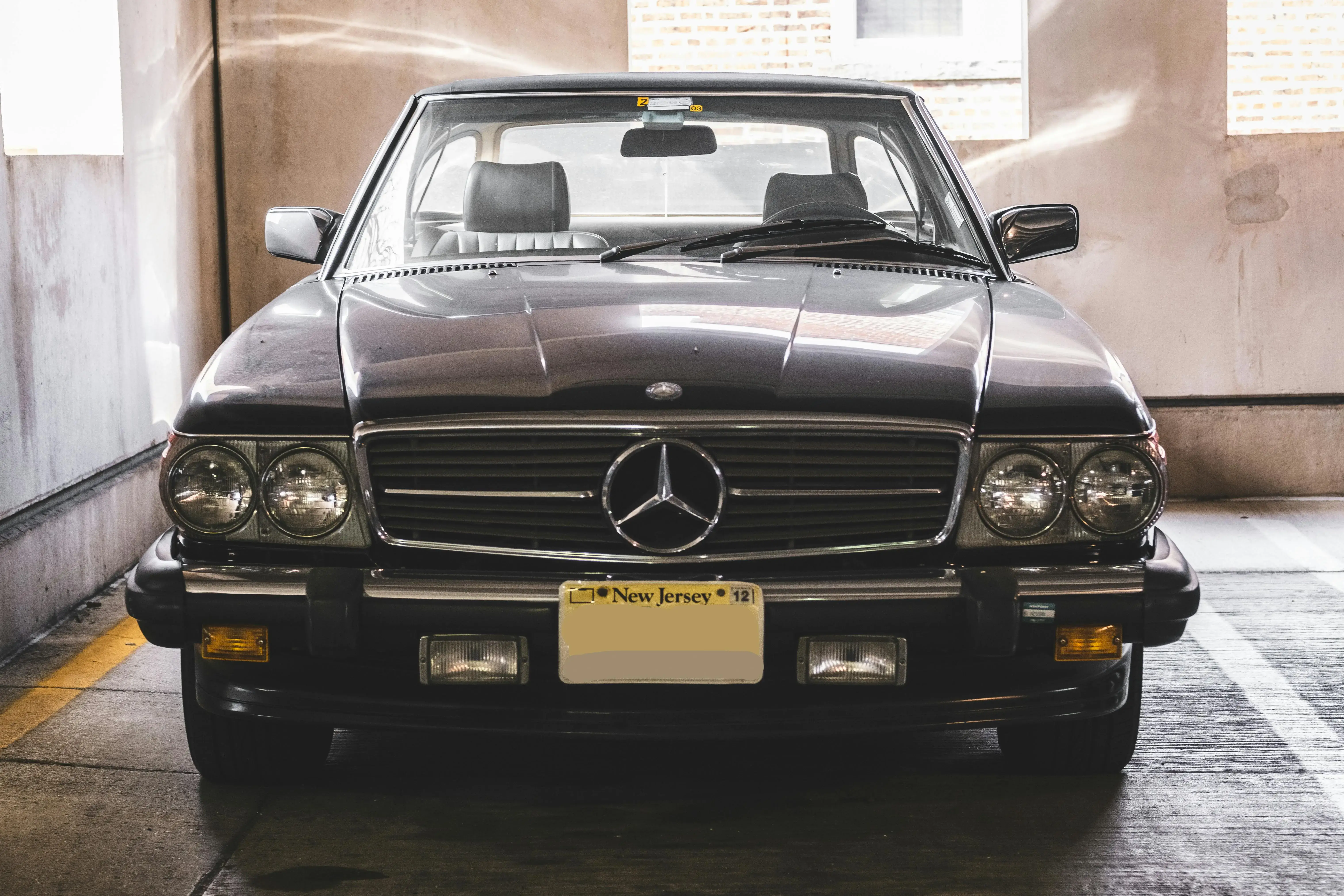
Why Switzerland Is a Hidden Market for Classic Cars? | WCS Guide
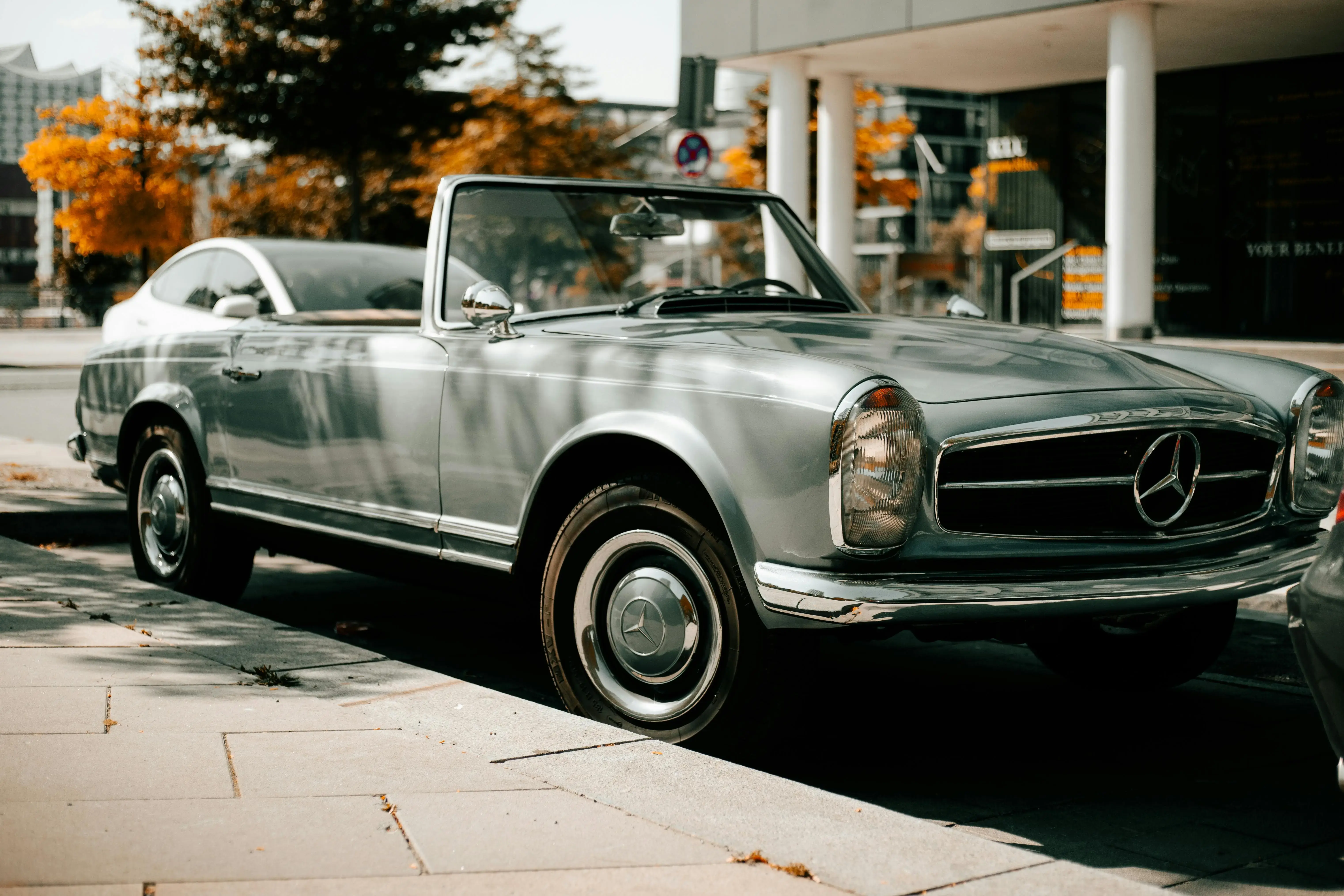
Buying a Car in Switzerland as a US Non-Resident | Complete Guide
