

UK Shipping Timelines: How Consolidation Scheduling Actually Works
Shipping from the UK is often sold as “about a month door to door,” but that headline hides two very different timing forces: published ocean schedules and real-world consolidation windows. Understanding those two clocks helps you set realistic expectations, avoid unnecessary stress, and choose the right logistics partner.
West Coast Shipping runs regular shared-container services between major UK ports and its US warehouses, using the same consolidation logic described in its detailed guide on importing a car from the UK to the US. That means your actual transit is shaped by both vessel rotations and how efficiently each container is filled and cleared.
The Two Clocks That Control Your UK–US Timeline
From a shipper’s perspective, UK–US logistics are governed by two clocks:
-
The ocean clock: The published transit time between UK and US ports.
-
The consolidation clock: The time needed to assemble, clear, and load a full container.
West Coast Shipping’s own UK–US benchmark cites a typical 26‑day sea transit for consolidated containers from Southampton to New York. That 26‑day figure is a WCS benchmark rather than a universal rule, because actual sea time varies by carrier, rotation, and specific service.
The consolidation clock is what most importers underestimate. Three factors drive it:
-
Frequency: How often a provider runs consolidations out of that port.
-
Volume: How quickly they can fill remaining slots for a specific sailing.
-
Readiness: How many booked vehicles are already in the yard, fully documented, and cleared before cut-off.
High-volume providers like West Coast Shipping can usually fill spaces quickly and secure space on favorable sailings, reducing the wait between arrival at the export facility and container departure. Low-volume operators tend to hold cars longer while they wait for enough bookings to justify a container.
From Deposit to Departure: Step-by-Step Consolidation Flow
To see where time actually goes, it helps to follow the shipment from purchase through departure on the UK side.
1. Vehicle Purchased and Assigned to a Sailing Window
Once you buy a vehicle in the UK and share the details with your shipper, the first internal step is assigning it to a target sailing window based on:
-
Port of export (often Southampton, among others).
-
Intended US landing port and inland routing.
-
Existing and upcoming consolidations with open slots.
-
Your requested timeframe and flexibility.
Because West Coast Shipping manages recurring Europe–US consolidations, its team can usually identify a realistic vessel window early, rather than quoting only generic averages.
2. Transport to Export Facility and Initial Intake
Next is moving the vehicle from the seller to the export facility or warehouse. Timing depends on distance, access, and whether the car runs:
-
Nearby, driveable vehicles can often be collected within a few days.
-
Remote locations or non-running cars may require specialized carriers and extra planning.
At intake, the warehouse team:
-
Confirms the VIN and vehicle identity.
-
Records condition with photos and notes.
-
Checks that the title and other export documents match the booking.
If there are document gaps or discrepancies, the process pauses while those are fixed, which can add days if not managed proactively.
For projects and non-runners, West Coast Shipping’s guide on how to safely ship a non-runner or project car from the UK to the US shows how winching, forklift access, and specialized loading are built into the timetable without derailing the overall schedule.
3. Documentation and Export Clearance
UK export is document-heavy, but a lot of delay can be avoided by getting the file right the first time. A typical export set includes:
-
V5C registration or equivalent proof of registration.
-
Bill of sale or commercial invoice.
-
Export declaration filed via HMRC systems.
-
Power of attorney or letter of instruction for the export agent.
If paperwork is consistent and signed correctly, clearance can move quickly; if not, even a simple typo in a VIN or mismatch in seller information can cause rejection or queries. One advantage of working with West Coast Shipping is that its team pre-screens documents and works with UK port agents who file vehicle exports daily, not occasionally.
4. Container Planning and Slot Allocation
Once cleared vehicles are in the yard, the warehouse plans container layouts. For consolidated 40-foot containers, planners must consider:
-
Length and height of each vehicle.
-
Running versus non-running status.
-
Required ramps, skids, or internal racking.
Efficient layout is what makes consolidated shipping economical. Vehicles that fit well together—in length, width, and height—are grouped for each sailing so that containers are both safe and space-efficient.
If a particular vessel has four open slots left, planners select the best combination of cleared, physically-present vehicles that fit the layout. Any cars not loaded in that round roll into the next consolidation, which is why accurate lead times and document readiness are key to catching earlier sailings.
5. Port Delivery and Cut-Off Compliance
Carriers and terminals require containers (and the vehicles inside them) to be delivered by a strict cut-off, often several days before the vessel departs. That window allows for:
-
Terminal intake and security checks.
-
Container staging and crane operations.
-
Final manifest locking and customs security filings.
If a truck or container misses the cut-off, it usually misses the sailing. Providers with established routines and trucking capacity, like West Coast Shipping, factor those tight cut-offs into their schedules and build in buffer time where possible.
6. Ocean Transit, Arrival, and US-Side Processing
Once the vessel is on the water, the primary timing variables are the carrier’s rotation and port congestion. West Coast Shipping’s UK–US benchmark for a consolidated Southampton–New York container is around 26 days at sea, but actual sea time can range based on service and carrier selection. After arrival, allow time for:
-
Discharge and terminal handling.
-
Customs clearance and any examinations.
-
Hand-off to inland trucking or collection.
Many shippers add optional door-to-door services, similar to those described in West Coast Shipping’s guide on door-to-door international car shipping, so that the same provider manages the final-mile delivery after clearance.
What Realistic UK–US Consolidated Timelines Look Like
Putting all stages together, a realistic UK→US consolidated timeline often looks like:
-
5–10 days: UK pickup and delivery to export facility.
-
5–14 days: Documentation finalization, export clearance, and consolidation planning.
-
3–5 days: Port delivery and cut-off buffer.
-
About 26 days: Sea transit on a WCS Southampton→New York benchmark service (variable by carrier and route).
-
3–5 days: US discharge, handling, and customs clearance.
-
2–10 days: Optional inland delivery depending on distance and service level.
In practice, 45–72 days door-to-door is a reasonable expectation for a smooth UK→US consolidated shipment, with shorter or longer totals possible depending on location, method, and how quickly documents are finalized. The key is choosing a partner that is transparent about both clocks—consolidation and transit—and has enough UK volume to turn consolidations regularly.
How Much Time Consolidation Adds, in Practice
Vessels leave on fixed rotations, so the consolidation question is how quickly your car can be paired with enough cleared, compatible vehicles to close a container before a cut-off. Three patterns cover most UK shipments:
-
Fast turn, about 3–7 extra days: weekly sailings out of Southampton, clean paperwork well before cut-off, and a queue of similar bookings so the box fills quickly.
-
Standard, about 7–14 extra days: the common UK–US case, with cars trickling in over one to two weeks, some slots held for late arrivals and minor document corrections along the way.
-
Slow turn, 14 days or more: oversized, heavily modified or non-running vehicles with fewer pairing options, seasonal lulls, or repeated document and payment delays that keep a container from closing.
Because WCS runs Europe–US consolidations from several hubs, a UK car does not have to wait for a UK-only container; it can be paired with compatible vehicles feeding the same sailing.
Consolidated vs Dedicated: The Timing Trade-off
A shared container leaves when it is full and cleared, which is what makes the per-car rate low and the departure date soft: anywhere from a few days to a couple of weeks beyond pure ocean time. A dedicated 20- or 40-foot container closes as soon as your vehicle is loaded and cleared, so it tracks the vessel schedule closely. Dedicated is worth the premium when a sale, event or registration deadline depends on a specific arrival week, when the car is part of a multi-car deal with other units already en route, or when a high-value collection matters more than the saving. Air freight is the rare third option for the same reasons.
Four Ways to Land on the Fast End
-
Lock in the route early. Once origin, destination and a rough delivery window are known, the car can be placed in a series of sailings and capacity reserved before it is even collected.
-
Front-load the documents. Clear scans of the V5C, bill of sale and export letters before the car moves, pre-screened by the WCS documentation team, with names, addresses and VIN digits fixed at once rather than at the port gate. Pre-cleared paperwork is the biggest single difference between a 45-day and a 60-day experience.
-
Give a window, not a date. "Any departure in the first half of the month" lets the operations team take the first container that fits instead of holding the car for an artificial date.
-
Know that dimensions matter. Standard-size sedans, SUVs and popular classics pair easily; very long, very low or oversized vehicles wait longer for a compatible partner.
UK Classic & Specialty Market Watch: Car Types US Buyers Can’t Find Locally
The modern UK–US lane is about much more than one-off dream cars. It has become a steady pipeline for specific models that the US market either never received or has mostly used up: homologation specials, right-hand-drive icons, and classic-era workhorses that survived in better numbers overseas.
West Coast Shipping’s Europe-focused guides, such as the deep dive on Europe-to-U.S. car import costs and methods, show how structured logistics make these niche opportunities accessible rather than speculative. The UK, in particular, plays an outsized role because of its mix of domestic, European, and Japanese imports.
The 25-Year Rule and UK Sourcing
For US buyers, the 25-year import exemption remains the central enabling rule. Once a vehicle is at least 25 years old, it can typically be imported without going through full modern EPA and DOT compliance, which is why:
-
JDM imports that first landed in the UK later migrate again to the US.
-
Older European performance models become realistic import candidates.
-
Ordinary UK-market cars with nostalgic pull become viable hobby imports.
West Coast Shipping’s content on US car import costs and Europe-to-U.S. expenses outlines how duties, port fees, and domestic delivery stack on top of purchase and ocean freight. Even with those layers, certain UK-sourced vehicles remain attractive compared to increasingly expensive US examples.
For the specific models that fill these containers, and a four-question check on whether a given UK car is worth the crossing, see the guide to the British classics US buyers import most.
Right-Hand-Drive Curiosities and Conversions
Right-hand-drive vehicles once considered novelties have become core targets for many collectors. Demand spans:
-
UK-sold versions of Japanese performance cars.
-
Classic British models like original Minis and Land Rover Defenders.
-
Limited-run RHD performance saloons never certified for US sale.
Some buyers lean into the RHD uniqueness; others plan eventual conversions in the US or abroad. West Coast Shipping’s UK-focused pricing and cost breakdowns for imports, such as its discussion of how much it costs to import a car from the UK to the US, show how shipping costs, duties, and conversion budgets often still pencil out for rare or high-value platforms.
Classic 4x4s, Defenders, and Utility Icons
UK-sourced 4x4s and utility vehicles remain a constant on US want lists:
-
Land Rover Series trucks and Defenders with rural or farm histories.
-
Classic utility pickups and long-wheelbase work vehicles.
-
Off-road builds that would command substantial premiums if sourced domestically.
Many of these units are running projects or mid-restoration vehicles, which makes loading and handling more complex. West Coast Shipping’s guide for safe shipping of non-runners and project cars from the UK shows how liftgates, winching, and tailored loading tactics are used to move such vehicles safely while still fitting consolidation schedules.
Motorsport Specials and Performance Models
The UK motorsport ecosystem means certain homologation specials and performance cars show up in local classifieds long before they reach US auction houses. Examples include:
-
Touring-car-style sedans and hatchbacks.
-
Limited-edition rally-derived models.
-
Dealer-tuned or motorsport-branded specials.
Because many of these models are now well beyond 25 years old, importers can focus on condition, documentation, and provenance rather than expensive compliance paths. West Coast Shipping’s international car shipping process and cost guide details how container choice, origin port, and destination all influence total landed cost, which is critical for investment-grade performance cars.
EVs, Hybrids, and Modern “Future Classics”
The UK is also an early-adopter market for EVs and hybrids, so it has become a source of:
-
Early-run Teslas and other EVs with now-desirable specs.
-
Plug-in hybrids in configurations never sold in the US.
-
Niche European electric city cars and commuter vehicles.
Handling these vehicles correctly requires familiarity with high-voltage systems and country-specific rules. West Coast Shipping’s international car shipping hub emphasizes that it supports classic, modern, and electric vehicles, and integrates those requirements into consolidation planning rather than treating them as afterthoughts.
Why the Right Shipping Partner Unlocks the UK Market
The opportunity in the UK market is clear, but many US buyers avoid it because they assume the logistics are opaque or risky. A specialist like West Coast Shipping reduces that friction by:
-
Providing instant visibility through its online car shipping calculator.
-
Offering both port-to-port and door-to-door structures, described in its door-to-door shipping guide.
-
Coordinating with UK agents who know auctions, dealers, and private sellers.
-
Managing export, consolidation, and US-side processing under one operational framework.
The result is a clear path from shortlisting a UK car online to unloading it at a US destination, with predictable touchpoints along the way.
What You’re Really Paying For in a Motorcycle Shipping Quote (Line-by-Line)
Motorcycle shipping quotes on UK–US and US–UK lanes often arrive as a single number with a brief label. In reality, a high-quality quote is a layered breakdown of services from pickup through delivery, each with its own cost drivers.
West Coast Shipping’s dedicated page on international motorcycle shipping rates explains that the cost to ship a motorcycle overseas can vary widely depending on route, method, and options, and notes additional items like pickup, destination fees, taxes, and optional cargo damage protection. Treating each element as a range helps set realistic expectations in a moving market.
1. Base Ocean or Air Freight
What it is:
The core transport cost between ports or airports.
For container shipping, this is a per-bike share of:
-
A consolidated container slot.
-
Route- and season-dependent carrier rates.
-
The shipper’s negotiated contracts and volumes.
For air freight, the cost is tied to chargeable weight (a blend of crate dimensions and actual weight) plus route-specific air rates. Consolidated sea freight typically sits at the lower end of the cost spectrum, while air freight commands a premium for speed.
Want to understand what’s actually included in a motorcycle shipping quote?
Our guide breaks down motorcycle shipping costs line by line, so you know exactly what you’re paying for—and what to confirm before booking.
2. Pickup or Delivery to Export Warehouse
What it is:
Transport from the bike’s current location to the export warehouse or port.
Key variables:
-
Distance and access (urban vs rural).
-
Need for open vs enclosed motorcycle transport.
-
Timing flexibility and seasonal demand.
Some shippers choose to deliver the bike directly to a West Coast Shipping warehouse, which can reduce or eliminate domestic pickup charges, particularly when they are already near a major facility.
3. Crating and Securing
What it is:
Labor and materials for purpose-built crating and secure loading.
Professional crating typically includes:
-
Solid wood or modular crates sized to the bike’s dimensions.
-
Wheel chocks, tie-down points, and internal bracing.
-
Protective wrapping and moisture barriers where appropriate.
West Coast Shipping’s operations rely on motorcycle-specific crating and loading methods to prevent movement and contact damage inside shared containers. While cheaper quotes may use generic pallets or minimal bracing, that approach increases risk, especially over long ocean routes.
4. Export Documentation and Handling
What it is:
Administrative work and filing fees at origin.
Common tasks:
-
Preparing bills of lading and commercial invoices.
-
Filing export declarations with customs authorities.
-
Coordinating with port agents and terminals.
-
Verifying ownership and VIN details before departure.
West Coast Shipping’s international car shipping FAQ outlines similar document flows for cars, and the same principles apply to motorcycles. A dedicated export-handling line item effectively pays for experienced staff and systems that reduce the chance of rejections, re-filings, or missed sailings.
5. Terminal and Port Handling Fees
What it is:
Charges from ports and terminals for moving, storing, and handling crates and containers.
These fees often include:
-
Terminal handling charges for lifts and yard moves.
-
Security and facility usage fees.
-
Short-term storage before loading or pickup.
Port charges vary significantly by location and can change over time. In WCS’s general international car shipping process and cost guide, terminal and handling fees form a meaningful portion of total spending, and motorcycle shipments follow the same pattern.
6. Destination Charges and Local Agent Fees
What it is:
Fees on arrival, usually paid to the local agent and terminal.
Typical components:
-
Arrival terminal handling and storage for a defined free-time window.
-
Local paperwork and file management.
-
Coordination with customs and inspection teams.
West Coast Shipping’s motorcycle rates page notes that destination charges typically add a few hundred dollars, though the exact figure depends on the receiving agent and country. Transparent quotes clarify whether these fees are:
-
Included in the initial price.
-
Estimated but payable separately at destination.
-
Broken out as a dedicated “destination charges” line.
7. Customs Brokerage and Taxes
What it is:
Professional services to clear the motorcycle through customs and calculate/collect any duties or taxes.
Drivers include:
-
Motorcycle value, age, and HS code classification.
-
Country-specific duty and VAT or sales tax rules.
-
Any exemptions for returning residents or relocations.
West Coast Shipping’s broader guides on hidden US car import costs and US car import cost breakdowns show how brokerage and taxes can materially change total landed cost. Motorcycle imports follow the same logic, so quotes should clearly define whether brokerage is included and how taxes will be settled.
8. Optional Cargo Damage Protection
What it is:
Optional cargo damage protection that can be purchased to provide additional coverage for the motorcycle during transit.
On both the international car shipping overview and the motorcycle rates page, West Coast Shipping treats this as a separate, opt-in service. Pricing depends on:
-
Declared value of the motorcycle.
-
Route and perceived risk profile.
-
Chosen coverage limits and deductibles.
Owners of high-value, rare, or custom motorcycles often choose to add this layer when crossing oceans, as it provides additional financial protection beyond standard carrier liability.
9. Final Delivery or Pickup
What it is:
The last leg from the destination port or warehouse to your preferred address.
Options include:
-
Collecting the bike from a bonded warehouse or port facility.
-
Using locally arranged motorcycle transport.
-
Leveraging a fully managed door-to-door solution.
West Coast Shipping’s international car shipping & relocation services showcase how the same network that handles cars can be used to coordinate motorcycle last-mile delivery, particularly when combined with door-to-door programs.
Evaluating Motorcycle Quotes the Smart Way
When comparing motorcycle quotes, the most useful questions are:
-
Which components of the journey are included, and which are not?
-
How are destination charges, taxes, and brokerage handled?
-
What is the quality and method of crating and securing the bike?
-
How experienced is the provider on this specific origin–destination lane?
A slightly higher quote from a specialist like West Coast Shipping often reflects:
-
Experienced motorcycle handling and purpose-built crating.
-
Predictable consolidation windows and routing based on real WCS benchmarks.
-
Integrated documentation, customs, and local-agent coordination.
-
Access to optional cargo damage protection tailored to the bike’s value.
The outcome is a managed process that respects both the financial and emotional value of your motorcycle, not just its dimensions and weight.
Ready to Plan Your UK Car or Motorcycle Shipment?
West Coast Shipping has built a UK–US and US–UK network designed for enthusiasts, collectors, and professionals who need more than generic “port-to-port” promises. Whether you are consolidating a classic from Southampton, importing a unique 4x4, or shipping a motorcycle that needs careful crating, the same infrastructure and expertise apply.
Visit the international car shipping hub to explore methods, ports, and timelines, then use the calculator to see route-specific estimates for your next shipment.
Get Your Instant UK Shipping Quote
Use the West Coast Shipping calculator to generate a live quote for your UK car or motorcycle shipment and compare consolidated versus dedicated options. Ready to begin your UK import journey? Contact West Coast Shipping's UK specialists today for a personalized consultation and discover how simple bringing your car or bike across can be.

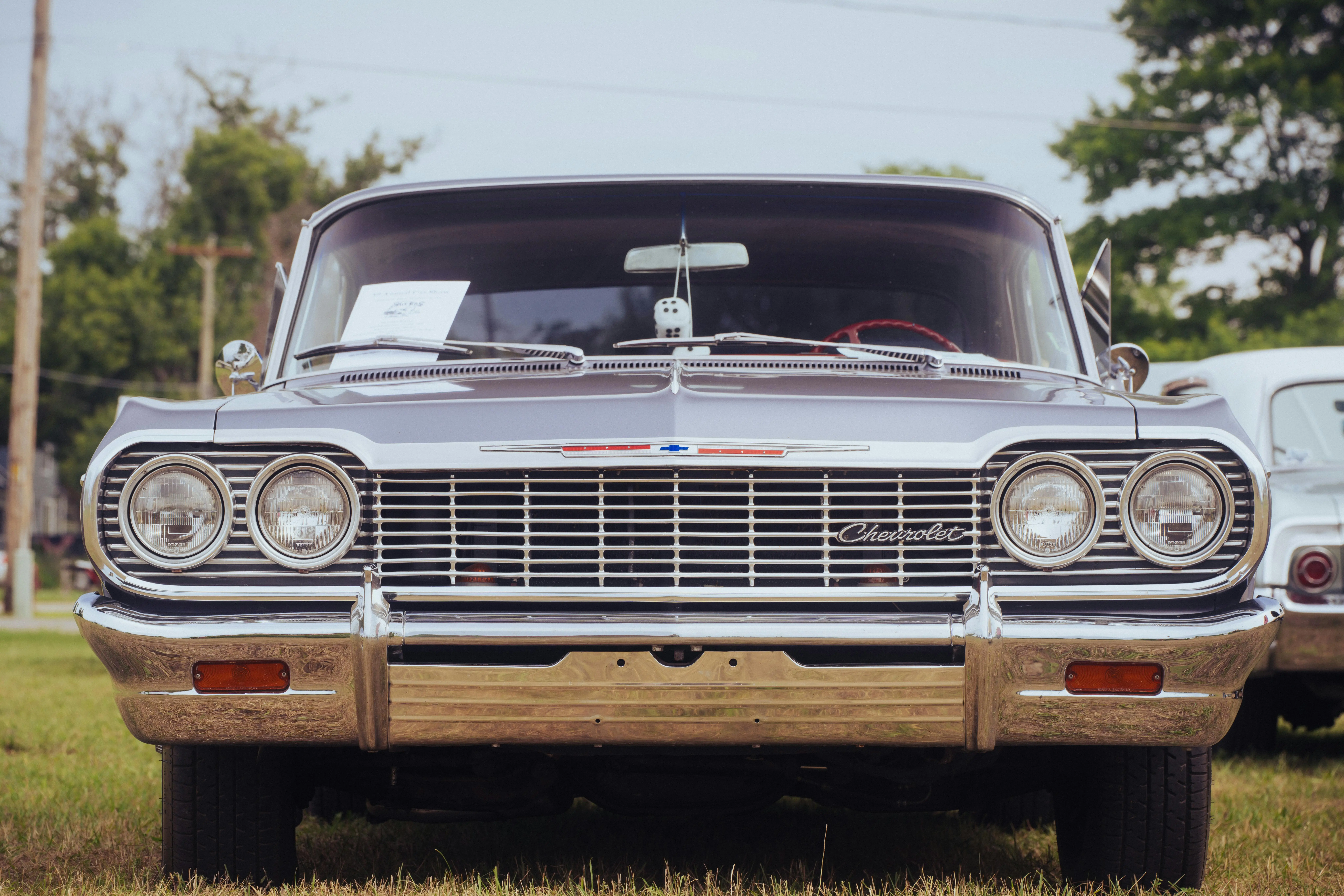
UK Classic & Specialty Cars US Buyers Can’t Find Locally

Motorcycle Shipping Quotes Explained Line‑by‑Line