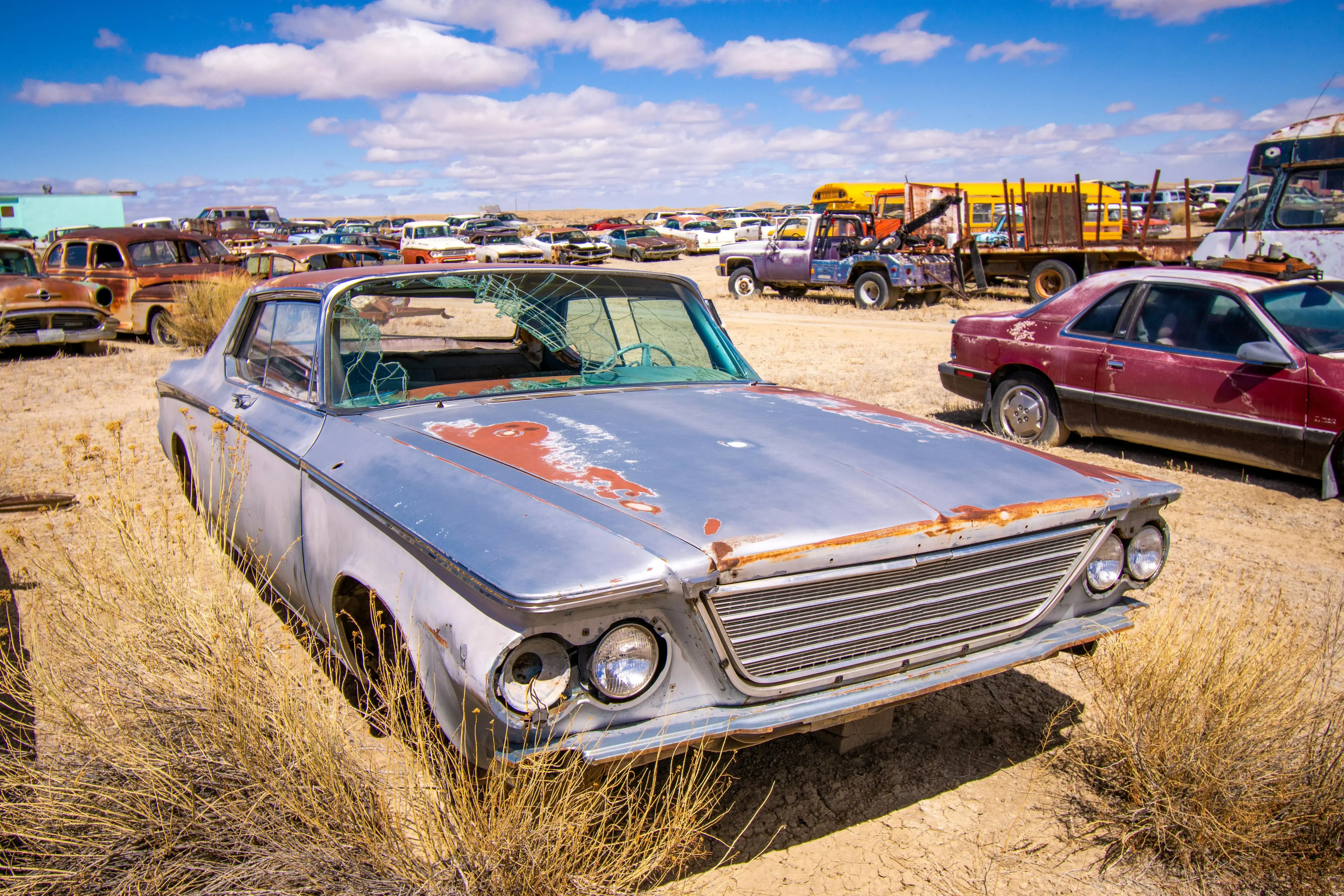

Most American cars are not banned from entering Germany outright. The real question is whether a specific US vehicle can meet EU technical rules and German registration requirements.
This guide explains how Germany looks at American cars under EU type approval, emissions rules and TÜV inspections, and how that affects what you can actually drive on German roads. You will also see realistic shipping examples from US ports to Bremerhaven and Hamburg, with pointers on when it makes sense to use West Coast Shipping’s Germany car shipping services.
For a deeper dive into non‑running classics and salvage cars, read the main article on banned American cars in Germany, shipping rules and salvage documentation.
Are Any American Cars Truly “Banned” In Germany?
How German Law Actually Classifies Foreign Vehicles
Germany does not maintain a simple blacklist of banned American models. Instead, it applies:
-
EU Whole Vehicle Type Approval (WVTA) rules
-
ECE regulations for lighting, glass, brakes and other systems
-
National registration requirements enforced by TÜV, DEKRA and local Zulassungsstellen
A US car can enter Germany as cargo, but registration for public road use depends on whether it either matches an existing EU type approval or can pass an Einzelabnahme, the individual approval process. That is where many difficult cases appear.
In practice, this means:
-
Some US cars integrate easily because they share platforms or components with European versions.
-
Others require technical changes and documentation before they can be approved.
-
A small subset is so heavily modified or unconventional that approval becomes unrealistic or uneconomic.
So the question is rarely “is this car banned,” and more “can this specific vehicle be made compliant at a cost that still makes sense.”
Emissions Rules, Umweltzonen And US Engines
What Emissions Rules Apply To American Cars In Germany?
Germany’s emissions framework combines national rules with EU standards. For everyday driving, the most visible layer is the network of Umweltzonen, or low‑emission zones, where entry depends on an emissions sticker tied to the vehicle’s emissions class.
Key points for US owners:
-
US‑spec powertrains may not map neatly to Euro emissions categories.
-
Documentation from the manufacturer or an approved test may be required to prove equivalence.
-
Some older diesels and high‑emitting engines may not be able to qualify for inner‑city use at all.
A US vehicle that cannot be assigned a suitable emissions class might still be imported and used outside restricted zones, but its urban usability can be limited. In extreme cases, the cost of retrofitting or testing can exceed the car’s value.
When Can A US Car Be Emissions‑Compliant?
A US car has a better chance of clearing German emissions hurdles when:
-
A close European sibling exists with the same engine family and exhaust aftertreatment
-
The emissions system is intact and unmodified, with no deleted catalysts or removed equipment
-
The owner is prepared to accept additional tests, documentation and possibly new components
On the other hand, heavily tuned muscle cars with long‑tube headers and open exhausts often face both emissions and noise issues. Even if they can be shipped and used on private land, registration for everyday road use may be impractical.
Owners who already know their model and build year should talk to a German registration specialist before committing to export. West Coast Shipping can coordinate shipping while you confirm feasibility on the ground in Germany. The WCS Germany guide offers broader context on how emissions and customs fit together.
Safety, Lighting, Glass And EU Type Approval
Typical Technical Issues For US Cars
Beyond emissions, German inspectors look closely at core safety and visibility systems. Common problem areas for American imports include:
-
Headlight patterns that do not conform to European requirements and need conversion
-
Non E‑marked lighting and glass on certain US‑only models
-
Aftermarket suspension or brake modifications with no documentation or approvals
These issues do not automatically stop a car from being imported, but they can block registration until corrected. Some fixes are simple, like swapping headlights. Others, such as replacing unapproved suspension components, can be expensive.
How The 30‑Year Rule Changes The Conversation
For cars over 30 years old, Germany offers a historic classification, which can make tax treatment more favorable and slightly relax expectations around modern systems. That does not mean every 30‑year‑old American car automatically qualifies.
Historic status usually requires:
-
Largely original condition, or period‑correct modifications
-
Good overall presentation without major structural compromise
-
Documentation that supports age and configuration
If you are planning to send a 1970s or 1980s US classic to Germany, it is worth reading West Coast Shipping’s guide to shipping classic cars to Germany under the 30‑year rule. That article explains how customs and TÜV look at originality, value and intended use.
Vehicle Types That Often Run Into Trouble
Categories That Face Extra Scrutiny
Instead of a hard banned list, it is more accurate to talk about categories of American cars that tend to trigger closer inspection:
-
Very new models without any EU counterpart or type approval
-
Heavily lifted pickup trucks and SUVs with undocumented suspension changes
-
Track‑only builds where airbags, ABS and other systems have been removed
-
US salvage or reconstructed vehicles presented as normal daily drivers
These vehicles can still be shipped into Germany as cargo. The challenge starts when an owner expects quick, simple registration for public roads. The more the car deviates from a documented, street‑legal specification, the more time and money it can take to reach compliance, if that is possible at all.
Private Land, Motorsport And Show Use
Some owners only plan to use a US car on private land, at track events or as a show piece. In those situations, road registration might not be required, but customs still charges duty and VAT and motorsport venues apply their own safety rules.
Examples where this path makes sense include:
-
A drag car that is towed to events and never driven on public streets
-
A shell imported for parts to support other cars
-
A collection car destined for static display rather than commuting
If you already know the car will never need plates, you should be upfront about that with your German partners and shipping company. West Coast Shipping’s Germany services can cover the export and delivery side while you coordinate with workshops and organizers in Germany.
Example Shipping Costs From The USA To Germany
Planning Numbers For New York, Florida And California
Once you know that your car has a realistic path to compliance or a clear non‑road‑use plan, the next question is shipping cost. Container shipping is the most common approach for higher‑value US vehicles going to Germany, especially when you want added protection or need to ship parts alongside the car.
Recent example ranges for ocean freight in containers include:
-
New York to Bremerhaven: approximately 1,050 dollars with an estimated transit time of about 30 to 33 days at sea
-
Florida to Bremerhaven: approximately 1,225 dollars with an estimated transit time of about 31 to 34 days at sea
-
California to Hamburg: approximately 1,800 dollars with an estimated transit time of about 40 to 45 days at sea
These figures are best treated as planning anchors for 2025 to early‑2026 conditions. Real‑world quotes move with fuel costs, capacity, season and the exact service level you choose. West Coast Shipping’s calculator and live quotes always override any example numbers you see in a blog post.
Note: These prices and transit times are approximate and subject to change based on vehicle type, container configuration, sailing schedules, surcharges and broader market conditions.
You can find a fuller explanation of timelines and service types in the WCS guide on how to ship a car to Germany from the USA.
How To Check If Your Specific American Car Will Work In Germany
A Simple Four‑Question Filter
If you want a quick way to judge feasibility before you fall in love with a particular listing, work through four questions:
-
Does a European version or close sibling of this car exist, sharing major systems
-
Is the car relatively close to stock in terms of emissions, exhaust, lighting and safety equipment
-
Is it more than 30 years old and in original or period‑correct condition, so historic status might apply
-
Are you prepared for the cost and time of German TÜV inspections and any required modifications
A car that scores well on most of these points is more likely to succeed as a road‑registered import. A car that fails on all four may still be worth shipping for parts, racing or collection purposes, but you should not assume it will ever receive plates.
Why It Helps To Coordinate Compliance And Shipping Early
One possible explanation for difficult Germany projects is that owners treat compliance and shipping as separate decisions. They secure a great deal on a rare American car, book export, and only then discover that lighting, emissions or history make registration much harder than expected.
A smoother path is to:
-
Verify German feasibility for the model and configuration you are considering
-
Confirm how age and originality interact with the 30‑year rule
-
Then ask West Coast Shipping for a route and container plan that fits your location and timeline
The main article on banned American cars in Germany, shipping rules and salvage documentation goes deeper into non‑running cars, salvage titles and documentation, which are common edge cases.
When A US Car Is A Strong Candidate For Germany
Profiles That Tend To Work Well
Although every case is different, some patterns show up regularly in successful US‑to‑Germany imports:
-
Classic American muscle and pickups over 30 years old in largely original condition
-
Modern US cars that share platforms and engines with European models, and have not been extensively modified
-
Collectible vehicles with strong documentation, clear history and manageable emissions footprints
Buyers who pair those kinds of vehicles with realistic expectations about TÜV, taxes and timelines usually report smoother experiences than those who start with unfinished race builds or unknown salvage projects.
The Germany country page lays out the basic tax structure, including how duty and VAT change for vehicles more than 30 years old, which can make some American classics surprisingly affordable to land in Germany despite higher shipping costs.
Ready To See If Your American Car Belongs In Germany?
If you already have a specific American car in mind, the next step is to test whether it fits Germany’s emissions, safety and age framework, then see how different US ports and container options affect your total landed cost.
Start by reviewing the broader guide on banned American cars in Germany, shipping rules and salvage documentation, then use the shipping calculator on the Germany car shipping page to get live rates from New York, Florida or California to Germany’s main ports.


Ship Non‑Running Classic To Germany: Why Container Wins

Documents To Ship A Salvage Car To Germany | 2026 Checklist