

American collectors scanning European markets for classic and collectible vehicles routinely focus on Germany's extensive dealer networks, the UK's right-hand-drive sports car heritage, and Italy's exotic manufacturer home market. Switzerland, meanwhile, operates quietly as one of Europe's most valuable yet consistently overlooked sources for vehicles destined for the United States. The Swiss market's distinct characteristics—shaped by geography, culture, regulatory frameworks, and economic factors—create conditions that produce exceptionally well-preserved vehicles with transparent histories, original specifications, and condition standards that frequently exceed cars sourced from larger European markets.
This article examines the specific advantages that make Switzerland a strategic sourcing location for US collectors importing European cars to the United States under the 25-year rule. From climate factors that reduce corrosion to ownership patterns that preserve originality, understanding Switzerland's hidden benefits helps collectors make informed sourcing decisions. Every market observation and regulatory reference is based on publicly available information and West Coast Shipping's experience coordinating vehicle shipping from Switzerland to the United States—always verify current market conditions and import requirements with qualified professionals before purchasing.
Want a deeper look at why Switzerland consistently produces some of the best-preserved European vehicles available to US buyers? Our detailed guide, Why US Collectors Buy Cars from Switzerland, explains the market structure, ownership habits, and regulatory environment that make Swiss-sourced cars especially attractive for collectors importing vehicles into the United States.
Alpine Climate and Long-Term Vehicle Preservation
Switzerland's geographic position in the heart of the European Alps creates climate conditions that fundamentally favor long-term automotive preservation compared to coastal, northern, or Mediterranean European regions. While this advantage often goes unstated in vehicle listings, it manifests clearly when inspecting Swiss-sourced cars alongside equivalent models from other European markets.
Reduced Corrosion from Environmental Exposure
Coastal European markets—particularly the UK, Netherlands, Belgium, and northern Germany—subject vehicles to constant salt air exposure that accelerates corrosion on body panels, chassis components, and fasteners. Cars registered in these regions develop rust issues even when garaged, as ambient humidity and salt-laden air penetrate storage facilities and affect metal surfaces over decades.
Switzerland's landlocked alpine position eliminates salt air exposure entirely. The country's climate patterns, shaped by mountain ranges that block maritime weather systems, produce lower average humidity than coastal regions. Classic cars stored in Swiss garages for 20, 30, or 40 years emerge with original floor pans, intact rocker panels, and rust-free suspension components that would be exceptional finds in UK or Dutch markets. For US collectors importing cars from the Netherlands or the UK, Swiss-sourced alternatives often deliver superior baseline condition despite comparable or higher asking prices.
Winter Road Salting Practices and Storage Culture
Switzerland does apply road salt during winter months to maintain alpine pass accessibility and urban street safety. However, several factors mitigate winter road salt's impact on Swiss collector cars compared to northern European markets where winter conditions dominate 4-5 months annually.
First, Switzerland's compact geography and excellent public transportation infrastructure reduce winter driving necessity. Swiss car owners commonly rely on rail networks during harsh winter months, leaving collector vehicles garaged from November through March. This storage culture means many Swiss classics accumulate minimal winter kilometers despite residing in regions with significant snowfall.
Second, Swiss garage culture emphasizes heated, climate-controlled storage for valuable vehicles. The country's wealth concentration and strong automotive enthusiast community create infrastructure—private garages, commercial storage facilities, dealer storage programs—that supports proper winter vehicle preservation. Classic cars emerge from Swiss winter storage without the salt-crusted undercarriages and corroded fasteners common on cars driven through German or Scandinavian winters.
Third, Swiss road maintenance standards and drainage systems prevent the standing salt-water accumulation that accelerates corrosion in regions with poor road infrastructure. Well-maintained Swiss roads minimize the mechanical wear and corrosive exposure that aging European cars experience in markets with deteriorating road networks.
Dry Alpine Air and Interior Preservation
Switzerland's relatively dry alpine climate extends preservation benefits beyond metal components to interiors, electronics, and trim materials. Leather upholstery, dashboard materials, door panel fabrics, and headliners survive decades in Swiss climate conditions with minimal degradation compared to humid coastal environments where mold, mildew, and material breakdown plague even carefully maintained classics.
Electronic components—particularly relevant for 1980s and 1990s European cars with increasingly sophisticated electrical systems—withstand decades of Swiss storage better than humid-climate alternatives. Corroded wiring harnesses, failed control modules, and deteriorated connectors that plague British and Dutch classics occur less frequently in Swiss-sourced vehicles, reducing restoration costs and improving reliability for US buyers seeking driver-quality imports.
Swiss Ownership Patterns and Low-Mileage Examples
Switzerland's geographic, economic, and cultural characteristics create ownership patterns that produce unusually low-mileage examples of classic and collectible vehicles. Understanding these patterns helps US collectors recognize value in Swiss-sourced cars that may show higher asking prices than superficially comparable German or Italian listings.
Compact Geography and Reduced Annual Driving
Switzerland measures approximately 220 miles east-to-west and 135 miles north-to-south—roughly the size of the combined areas of Massachusetts, Connecticut, and Rhode Island. This compact footprint means Swiss residents accumulate far fewer annual kilometers than drivers in larger European countries where interstate travel, long work commutes, and weekend trips routinely add 15,000-25,000 kilometers per year.
A Swiss owner might drive 5,000-8,000 kilometers annually in normal use—half the typical mileage of a German or French owner driving equivalent distances for work, leisure, and daily errands. Over a 30-year ownership period, this mileage differential compounds dramatically. A Swiss-market classic showing 120,000 kilometers compares favorably to a German equivalent displaying 200,000+ kilometers, despite similar calendar age.
For US collectors, lower lifetime mileage translates directly to reduced wear on engines, transmissions, suspension bushings, and brake components. Swiss-sourced vehicles often require less mechanical refurbishment after import than higher-mileage alternatives from larger European countries, improving total landed costs when restoration and maintenance expenses factor into purchase decisions.
Excellent Public Transportation and Vehicle Use Patterns
Switzerland operates one of the world's most comprehensive and efficient public transportation networks. Swiss Federal Railways (SBB/CFF/FFS) provides frequent, punctual rail service connecting cities, towns, and mountain regions, while integrated bus and tram networks serve local transport needs. This infrastructure density means Swiss residents can—and do—choose public transport over personal vehicles for daily commuting and routine travel.
Swiss collector car owners, in particular, view their classic vehicles as weekend and leisure transportation rather than daily drivers. A Swiss enthusiast might commute by rail Monday through Friday, reserving their vintage BMW or Porsche for Saturday mountain drives or Sunday car club gatherings. This use pattern produces cars with minimal commuter wear—no stop-and-go urban traffic exposure, limited cold-start cycles, and reduced mechanical stress compared to daily-driver classics in markets with less robust public transportation.
Longer Ownership Periods and Comprehensive Documentation
Swiss car owners demonstrate unusually long ownership periods compared to other European markets. Multi-decade single-owner histories appear regularly in Swiss classic listings—10, 15, or 20-year ownerships from purchase date or even second-owner cars showing 30+ year ownership spans since original retail delivery.
These extended ownership periods produce several advantages for US buyers. First, comprehensive maintenance records accumulate under single ownership, providing transparent service histories that reveal how vehicles were maintained, what repairs were performed, and whether regular service intervals were observed. Swiss owners typically maintain detailed service books documenting every oil change, inspection, and repair—documentation that proves invaluable for US buyers assessing vehicle condition from thousands of miles away.
Second, long ownership periods reduce the transaction complexity and title history concerns that arise with cars passing through multiple owners, dealers, or markets. Single or two-owner Swiss cars present cleaner provenance and lower risk of undisclosed accidents, modifications, or mechanical issues compared to vehicles with frequent ownership changes.
Third, long-term owners invest in proper maintenance and preservation, viewing classic cars as long-term assets rather than short-term commodities. This ownership mentality produces better-maintained examples that require less post-import work for US collectors.
Rigorous Swiss Vehicle Inspection Standards (MFK/Expertise Technique)
Switzerland enforces comprehensive biennial vehicle inspections that examine mechanical condition, emissions compliance, safety systems, and structural integrity with standards that exceed requirements in most other European countries. These inspections—called MFK (Motorfahrzeugkontrolle) in German-speaking regions, Expertise Technique in French-speaking areas, and Controllo Tecnico in Italian Switzerland—create a filtering effect that removes poorly maintained or structurally compromised vehicles from the market while certifying the mechanical soundness of cars that remain registered.
Inspection Scope and Mechanical Standards
Swiss vehicle inspections evaluate brake system performance, steering geometry and play, suspension component wear, tire condition and tread depth, lighting system functionality, exhaust emissions compliance, and chassis structural integrity. Inspectors check for excessive rust, weakened structural members, and safety-critical corrosion that would compromise crash protection or mechanical function.
Vehicles failing inspection cannot legally operate on Swiss roads until deficiencies are corrected and re-inspection confirms compliance. This creates a market environment where cars with significant mechanical issues or structural deterioration either undergo costly repairs or exit the registered vehicle pool. The result: Swiss-registered classics reaching the international market typically possess verified mechanical soundness and structural integrity.
Inspection Documentation as Purchase Confidence
Swiss vehicle inspection records, maintained in the car's service book, provide US buyers valuable insight into maintenance quality and mechanical condition. A Swiss classic showing consistent biennial inspection passes over decades indicates regular use, proper maintenance, and absence of major mechanical or structural issues. Inspection records noting minor repairs or component replacements reveal what maintenance was performed and when, helping buyers assess deferred maintenance needs.
For US collectors purchasing sight-unseen through online listings or dealer networks, Swiss inspection histories offer transparency rarely available in markets with less rigorous oversight. While pre-purchase inspections remain essential regardless of market, Swiss inspection documentation provides baseline confidence that vehicles meet minimum mechanical and safety standards before purchase.
Emissions Compliance and Engine Integrity
Swiss inspections include emissions testing that verifies engine tune, catalytic converter function, and exhaust system integrity. Cars passing Swiss emissions standards demonstrate proper engine operation—correct air-fuel ratios, functional emission controls, and absence of oil consumption or mechanical wear that would produce excessive exhaust emissions.
For US buyers importing classic cars under the 25-year exemption, Swiss emissions compliance confirms engine mechanical health even though imported classics face no EPA emissions testing in the United States. This verification reduces risk of importing vehicles with worn engines, failing emission components, or deferred mechanical issues that would require immediate attention after arrival.
Originality, Preservation Culture, and Unmodified Examples
Swiss automotive culture emphasizes preservation, originality, and maintenance of factory specifications over modification, customization, or performance enhancement. This cultural tendency—shaped by Switzerland's wealth, appreciation for engineering craftsmanship, and conservative automotive enthusiast community—produces classic cars that reach the US market in highly original, unmolested condition.
Factory-Specification Preservation
German and British collector car markets demonstrate strong modification cultures where enthusiasts upgrade suspension systems, swap engines, install modern electronics, or enhance performance beyond factory specifications. While these modifications may improve performance or drivability, they reduce originality and often decrease values for collectors seeking numbers-matching, factory-original examples.
Swiss collectors resist modification pressure, preferring to maintain vehicles exactly as delivered from the factory. A Swiss-market BMW M3, Porsche 911, or Mercedes-Benz SL typically retains original engine specifications, factory suspension components, OEM wheels, and unmodified bodywork. Swiss owners view modification as degradation rather than improvement—a perspective that produces cars meeting demanding collector standards for originality.
For US buyers seeking investment-grade classics or show-quality examples, Swiss sourcing delivers originality that commands premium values. Unmodified, numbers-matching Swiss examples compete directly with museum-quality cars from specialist dealers while trading at prices reflecting Swiss market conditions rather than premium dealer markups.
Interior and Cosmetic Originality
Swiss preservation culture extends beyond mechanical components to interiors, trim, and cosmetic details. Swiss owners maintain original upholstery, preserve factory dashboard materials, retain original carpeting, and avoid interior modifications that plague classics in markets where customization culture dominates.
Original paint preservation represents another Swiss market advantage. While many European classic cars undergo repaints—either for cosmetic refresh or corrosion repair—Swiss examples more frequently retain original factory paint. Switzerland's corrosion-resistant climate and careful ownership reduce the bodywork deterioration that necessitates repainting, producing cars with intact original finishes that demonstrate authentic aging and patina rather than recent restoration.
For concours competitors or collectors seeking vehicles for preservation-class judging, Swiss original-paint examples offer authenticity impossible to replicate through restoration. Even for driver-quality buyers, original paint and interior materials confirm vehicle history and authenticity while avoiding the quality concerns inherent in repaints or re-trimmed interiors.
Documentation and Provenance
Swiss ownership culture values documentation, record-keeping, and provenance preservation. Swiss classics regularly include comprehensive service books documenting every maintenance interval, dealer-stamped records confirming authorized service, original purchase documentation, and even period photographs showing vehicle condition at various ownership stages.
This documentation obsession benefits US buyers by providing transparent ownership histories that confirm mileage accuracy, reveal maintenance quality, and document the vehicle's life from new-car delivery through current ownership. Markets where documentation culture is weaker produce cars with incomplete histories, unverifiable mileage claims, and uncertain provenance—issues that reduce buyer confidence and decrease values.
Access to Unique European-Market Specifications and Limited Production Models
Switzerland's position as a premium European market meant manufacturers used the country as a test bed for special editions, unique specifications, and limited production variants. Swiss-market cars sometimes feature equipment combinations, color options, or trim packages available nowhere else in Europe, creating opportunities for US collectors seeking distinctive specifications or rare variants.
Manufacturer-Specific Swiss Market Models
German manufacturers—BMW, Mercedes-Benz, Porsche, Audi—treated Switzerland as a key market for testing upscale trim packages and performance variants. Swiss BMW dealers received allocation for limited M-car variants, Mercedes-Benz delivered AMG models through Swiss channels before formal AMG model designations existed, and Porsche Switzerland maintained strong relationships that produced unique specification combinations.
Italian and French manufacturers recognized Switzerland's multilingual, multicultural population as ideal testing ground for models marketed across language regions. Alfa Romeo, Lancia, and Fiat sold models in Switzerland that received limited distribution in larger European markets, while Renault and Peugeot delivered French-market specifications alongside Switzerland-specific variants. For US collectors seeking unusual European market cars, Swiss sourcing provides access to models that never reached Germany, UK, or Italy in significant numbers.
Color and Equipment Rarities
Swiss buyers demonstrated different aesthetic preferences than mass-market European consumers, ordering color and interior combinations that remain rare in larger markets. Swiss Porsche buyers, for example, showed stronger preferences for metallic finishes and contrasting leather interiors than German buyers, producing color combinations that stand out in the US collector market.
Equipment preferences also differed. Swiss buyers specified air conditioning, sunroofs, upgraded audio systems, and luxury options at higher rates than European average, producing cars with desirable equipment combinations. US collectors seeking classics with factory air conditioning, power windows, or premium audio systems find Swiss specifications deliver these features more consistently than equivalent models from markets where such options were rarely ordered.
Special Editions and Commemorative Models
Switzerland received allocation for numerous special edition and commemorative models celebrating racing victories, anniversaries, or regional events. These limited production variants—often produced in quantities of 50-200 units—appear in Swiss listings years after they've disappeared from other European markets. Swiss owners' tendency toward long-term preservation means special editions survive in original, unmodified condition with complete documentation and verified provenance.
For US collectors, these special editions offer distinction and rarity that justify higher import costs. While base-model European classics may trade at similar values whether sourced from Germany, UK, or Switzerland, rare special editions command premiums that make Swiss provenance and condition advantages worth pursuing.
Favorable Currency Dynamics and Value Opportunities
Switzerland maintains the Swiss Franc (CHF) as its currency, operating outside the Eurozone despite its central European location. Swiss Franc exchange rate fluctuations against the US Dollar create periodic buying opportunities when currency dynamics shift favorably for American buyers, though the CHF's traditional strength means Swiss purchases require larger absolute dollar outlays than Eurozone alternatives.
Currency Considerations for US Buyers
The Swiss Franc typically trades stronger than the Euro, meaning equivalent purchase prices denominated in CHF vs EUR result in higher dollar-equivalent costs for US buyers. A car listed at CHF 50,000 costs more in dollar terms than a comparable vehicle at EUR 50,000 when converting at prevailing exchange rates. However, Swiss market conditions, vehicle quality, and condition advantages often justify the currency premium.
US collectors monitoring CHF/USD exchange rates can time purchases to capture favorable currency movements. When the Dollar strengthens against the Franc—or when Swiss sellers accept payment in Euros or Dollars to facilitate international sales—buying opportunities emerge that reduce the Swiss premium. West Coast Shipping's European import experience includes currency timing strategies that help collectors optimize purchase timing around exchange rate movements.
Swiss Market Pricing vs. European Alternatives
Swiss classic car pricing reflects the country's overall cost structure—higher than Eurozone markets but often justified by superior condition, lower mileage, and better documentation. Direct price comparisons between Swiss and German listings require adjusting for condition differences, mileage variations, and specification distinctions that rarely appear in list prices but dramatically affect true value.
A Swiss example showing 80,000 kilometers, original paint, comprehensive service history, and single-owner provenance may list at CHF 60,000 while a German equivalent showing 150,000 kilometers, repaint, multiple owners, and incomplete documentation lists at EUR 50,000. The Swiss car's higher dollar-equivalent price reflects genuine value differences that justify the premium for discerning collectors.
Swiss market transparency also reduces risk of overpaying for misrepresented vehicles. Swiss sellers generally present vehicles accurately, document condition honestly, and disclose known issues—reducing the dramatic condition surprises common when purchasing from markets with less transparent selling practices. This transparency carries value that offsets higher nominal prices.
Swiss Market Infrastructure and Export-Friendly Practices
Switzerland's automotive industry infrastructure, dealer professionalism, and familiarity with international export transactions create practical advantages for US buyers compared to markets where export sales remain uncommon or sellers lack experience with international logistics.
English Language Proficiency and Communication
Switzerland's multilingual population—with German, French, Italian, and Romansh as national languages—produces automotive professionals comfortable operating in English for international transactions. Swiss dealers, private sellers, and automotive service providers routinely conduct business in English, reducing language barriers that complicate transactions in markets where English proficiency is limited.
This linguistic advantage streamlines negotiation, facilitates accurate vehicle description verification, enables clear discussion of condition issues, and allows effective coordination of pre-purchase inspection services. For US buyers working remotely, English-language communication reduces misunderstandings and ensures accurate information exchange throughout the purchase process.
Export Experience and Documentation Competence
Swiss automotive dealers and private sellers regularly handle export sales to European neighbors and international buyers. This export experience means Swiss sellers understand documentation requirements, know how to prepare vehicles for export, and can coordinate with shipping companies to facilitate smooth transactions.
Swiss sellers familiar with US import requirements often gather manufacturer documentation, prepare de-registration paperwork, and compile service histories in formats that streamline US customs clearance. This competence reduces the documentation delays and paperwork errors that plague purchases from markets where export sales remain rare and sellers lack international transaction experience.
Pre-Purchase Inspection Services and Verification
Switzerland's automotive service industry includes numerous qualified inspection services specializing in collector car evaluation and export preparation. These services provide comprehensive condition reports, detailed photography, and mechanical assessments that help US buyers make informed purchase decisions without traveling to Switzerland for in-person inspections.
Swiss inspection services understand international buyer requirements and deliver reports that address specific concerns relevant to overseas purchasers—rust evaluation, mechanical soundness, originality verification, and export-readiness assessment. For US collectors buying European classics remotely, Swiss inspection infrastructure provides confidence and reduces purchase risk.
Transparent Market Platforms and Listing Quality
Swiss automotive listing platforms maintain high standards for seller verification, listing accuracy, and photograph quality compared to markets where classified advertising operates with minimal oversight. Major Swiss automotive marketplaces enforce listing standards, verify seller identities, and moderate content to reduce fraudulent listings and misrepresented vehicles.
Listing Accuracy and Condition Disclosure
Swiss sellers typically provide accurate vehicle descriptions, comprehensive condition disclosures, and honest assessment of known issues. Swiss automotive culture's emphasis on transparency and the country's strong consumer protection framework create selling practices where condition exaggeration and undisclosed damage occur less frequently than markets with weaker regulatory oversight.
Listing photographs in Swiss advertisements generally show vehicles accurately, include undercarriage and detail shots revealing condition honestly, and avoid deceptive photography techniques common in markets where seller accountability is minimal. This transparency helps US buyers screen potential purchases effectively, identify candidates worthy of pre-purchase inspection, and avoid wasting time on vehicles that don't match descriptions.
Dealer Reputation and Professionalism
Swiss automotive dealers maintain professional reputations built over decades of operation. The country's small size and tight-knit enthusiast community mean dealer reputations matter intensely—poor business practices, misrepresented vehicles, or customer service failures damage reputations permanently in a market where word-of-mouth and community connections drive business.
For US buyers, purchasing from established Swiss dealers provides recourse and accountability rarely available when buying from private sellers in anonymous online markets. Swiss dealer guarantees, condition certifications, and post-sale support offer protection that reduces purchase risk and justifies dealer premiums over private sale prices.
Strategic Shipping Logistics from Switzerland
While Switzerland's landlocked geography requires overland transport to seaports, the country's central European position and excellent transportation infrastructure create efficient shipping routes to major European export terminals. Basel serves as Switzerland's primary automotive export gateway, offering excellent road and rail connections to German, Dutch, and Belgian ports.
Container Shipping from Swiss Locations
West Coast Shipping coordinates container shipping from Switzerland to the United States through established logistics networks connecting Swiss locations to major European ports. Vehicles collected from Swiss sellers transit overland to consolidation points where they join other US-bound cars in shared containers, reducing per-vehicle shipping costs compared to dedicated container arrangements.
Typical shipping timelines from Switzerland to US East Coast ports illustrate approximately 2-3 days inland transport from Swiss locations to German or Belgian ports, followed by 2-3 weeks ocean transit to New York or Baltimore. Total door-to-port shipping commonly ranges from 25-35 days depending on consolidation scheduling and vessel departure timing. West Coast destinations add approximately 7-10 days for cross-country rail transport from East Coast arrival ports.
Customs and Export Documentation
Swiss export procedures, while distinct from EU processes due to Switzerland's non-EU status, present no significant complications for US-bound vehicles. Swiss customs authorities process vehicle exports efficiently, VAT exemption procedures operate transparently, and documentation requirements align with international standards. West Coast Shipping's experience handling Swiss exports ensures proper documentation preparation and smooth customs clearance at both Swiss export and US import.
For comprehensive guidance on European vehicle import procedures, see our complete guide to shipping cars from Europe to the US, which covers Swiss-specific considerations alongside broader European import logistics.
Disclaimer: This article is provided by West Coast Shipping as general informational content. It is not legal, financial, or professional advice regarding vehicle purchases, international trade, or import procedures. All market observations, climate assessments, regulatory references, and logistics information are based on publicly available sources and West Coast Shipping's industry experience as of early 2026. Swiss vehicle market conditions, inspection standards, export regulations, currency exchange rates, and shipping logistics can change without notice. Vehicle condition, maintenance history, and market values vary significantly by specific vehicle, ownership history, and individual circumstances. Before purchasing any vehicle in Switzerland for export to the United States, conduct thorough due diligence including professional pre-purchase inspection, verification of all documentation and vehicle history, consultation with qualified customs brokers regarding current import requirements, and engagement with experienced international shipping providers. Nothing in this article should be treated as a guarantee of vehicle condition, market value, shipping costs, or regulatory compliance. Swiss market advantages described herein represent general market characteristics and do not apply uniformly to all vehicles or transactions.
Get Your Instant Shipping Quote from Switzerland to the United States

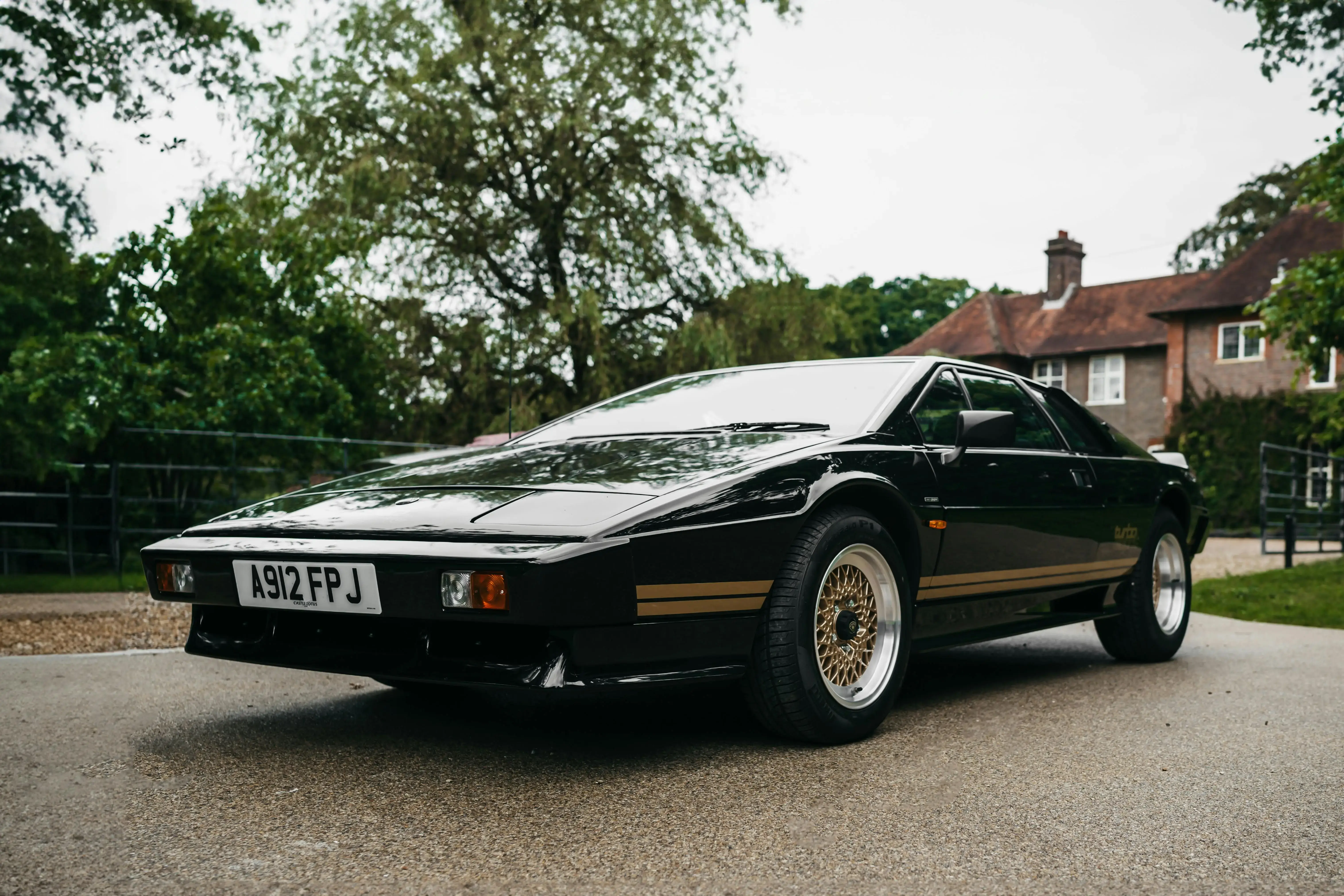
Why US Collectors Buy Cars From Switzerland | WCS Guide
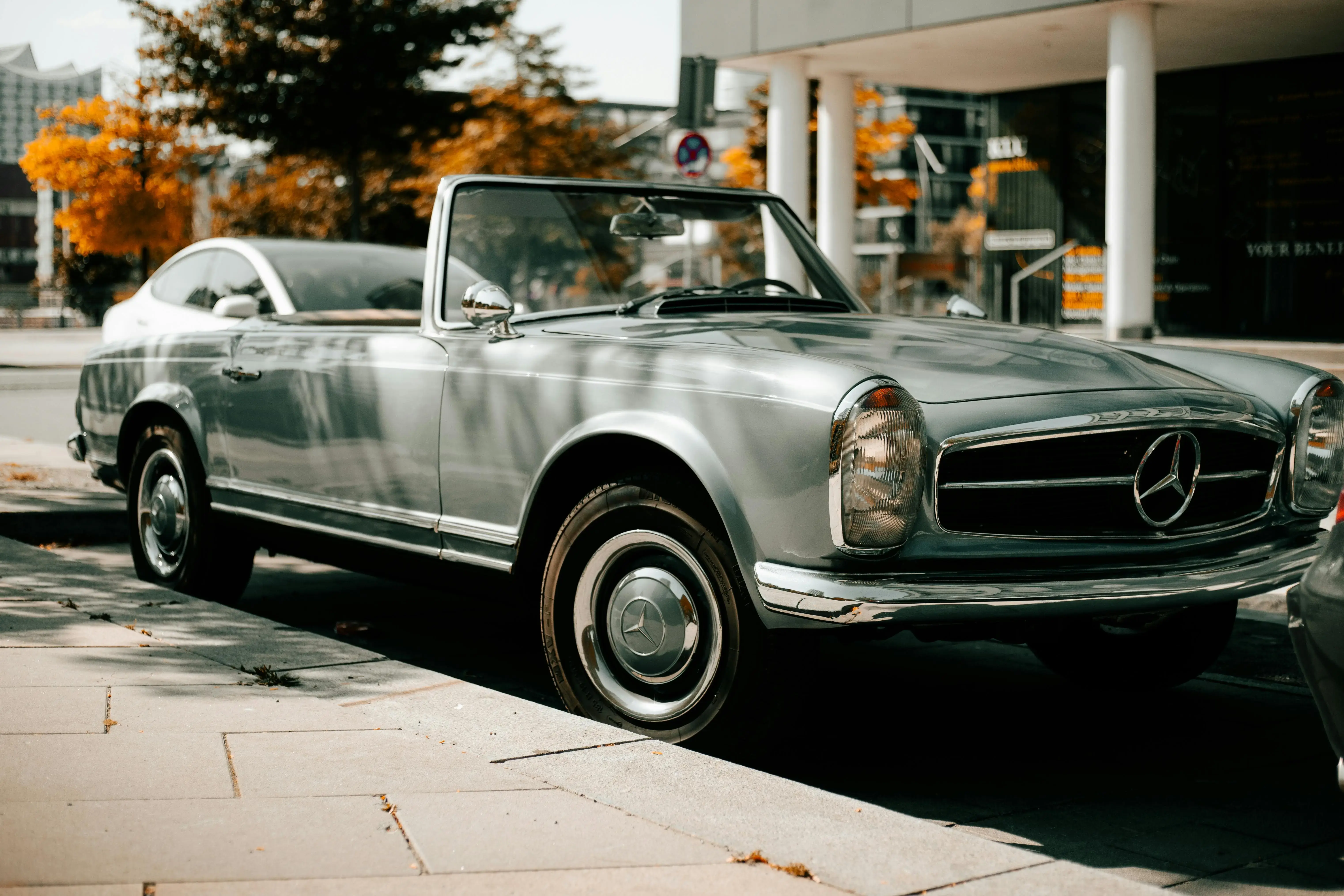
Buying a Car in Switzerland as a US Non-Resident | Complete Guide
