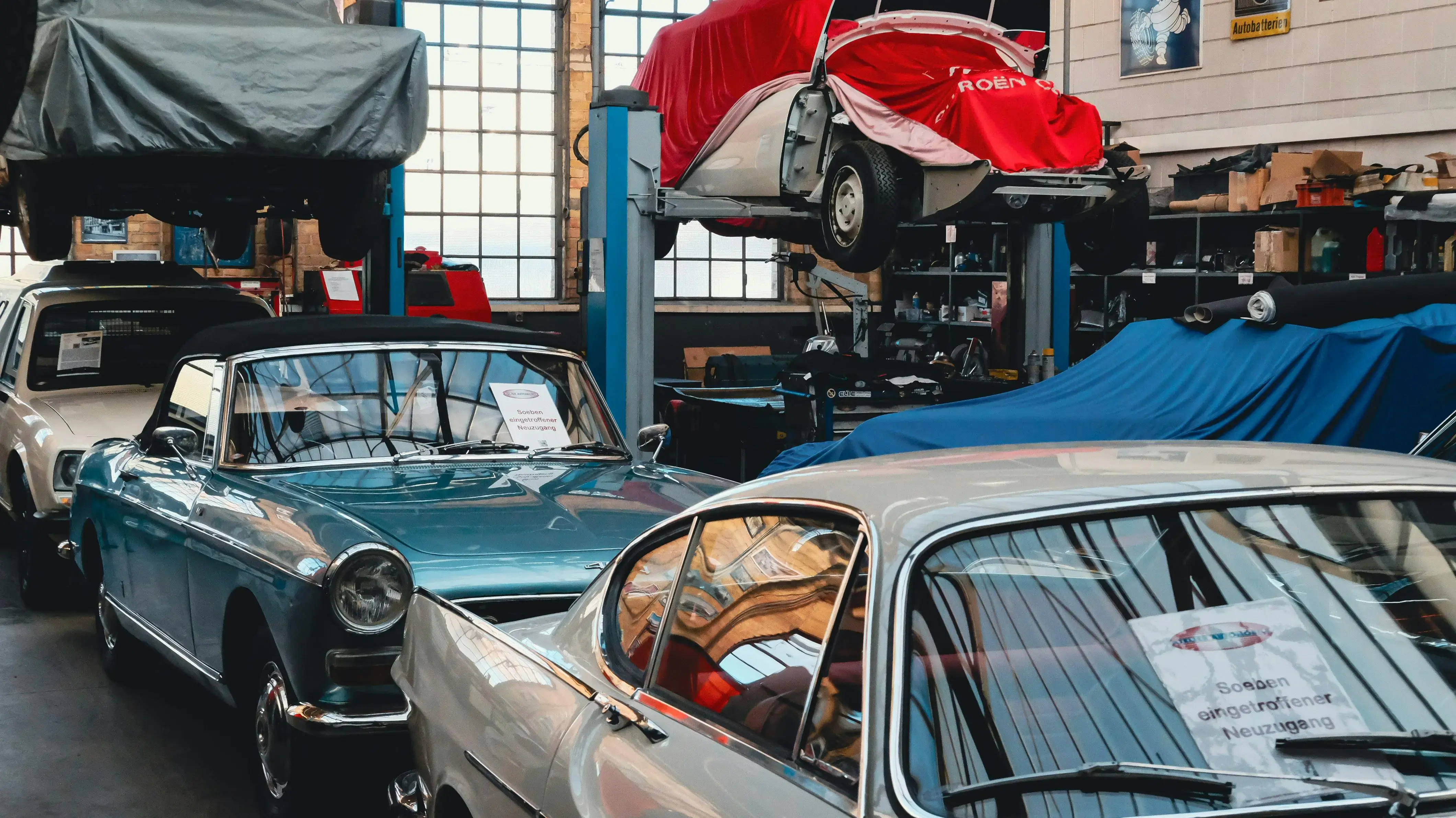

Few categories in the classic car world generate as much sustained interest as European sports cars from the 1970s. They represent the last era of largely analogue engineering before emissions mandates, fuel crises, and safety legislation began to fundamentally reshape what manufacturers could build. For US buyers, they also happen to sit in one of the most straightforward compliance positions available: every car from this decade clears both the NHTSA 25-year threshold and the EPA 21-year threshold with room to spare, meaning the regulatory barriers that make modern grey market imports expensive simply do not apply.
That does not make every 1970s European sports car a smart buy. Compliance eligibility is the starting point, not the finish line. Condition, originality, documentation, and realistic shipping costs all shape whether a specific car actually makes sense as an acquisition.
This article works through each of those considerations in enough detail to help you make a grounded decision. For a broader look at pre-purchase inspections and grey market restrictions that also affect European imports, see the main article on 1970s European sports cars, inspections, and import restrictions.
Why the 1970s Remain a Strong Decade for European Import Targets
The engineering and cultural context
The 1970s produced a specific kind of European sports car that is genuinely difficult to replicate today. These were vehicles engineered when lightness was still considered an asset, manual gearboxes were the norm rather than the exception, and electronic driver aids had not yet arrived to mediate the relationship between driver and road.
Several of the most admired designs from Italian, German, British, and French manufacturers came out of this decade, and many were never officially sold in the US market or were available only in heavily detuned, federalised form. That combination of genuine rarity and strong driving character is one possible explanation for why collector interest in this segment has remained consistent even as broader classic car markets have fluctuated.
There is a secondary factor worth noting. Because these cars have been eligible under the 25-year rule for decades, a reasonably established community of US owners, specialists, and parts suppliers already exists for the most popular models. That infrastructure makes ownership more practical than some buyers expect when they first look at a European classic.
What the compliance picture actually looks like for 1970s cars
Every vehicle from the 1970s clears the NHTSA 25-year exemption from Federal Motor Vehicle Safety Standards and the EPA 21-year exemption from emissions requirements, provided the car remains in substantially original condition. There is no need for a Registered Importer, no compliance modification cost, and no DOT or EPA conversion required.
The "substantially original" condition requirement matters here. A 1975 car with a replaced engine may face scrutiny from the EPA even though the body and chassis are well beyond the 21-year threshold. West Coast Shipping's article on importing a vehicle into the United States explains how both the NHTSA and EPA conditions interact and why modification history needs to be assessed before assuming full exemption.
The Four Main Categories of 1970s European Sports Cars
Here are the four corrected category sections with all required and recommended changes applied:
Italian Sports Cars: Provenance and Premium Pricing
Italian sports cars from the 1970s attract buyers looking for the combination of visual drama, heritage, and investment potential in a single package. The strongest examples from established Italian manufacturers have seen meaningful appreciation in recent years, and the pool of well-preserved, unrestored originals continues to tighten as global collector demand grows.
One possible explanation for the consistent performance of top Italian examples is that provenance documentation, matching numbers, and original finishes carry greater weight in this market than almost anywhere else. A car with a documented ownership chain, original paint, and matching engine and chassis numbers is worth significantly more than a similar car with gaps, regardless of how well it presents at first glance.
There is also a practical caution worth stating. Italian electrics and rubber components from the 1970s are genuinely demanding. Budget for mechanical attention after arrival, and factor that into your acquisition cost rather than treating it as a surprise.
Example: Ferrari 308 GTB (fibreglass body)
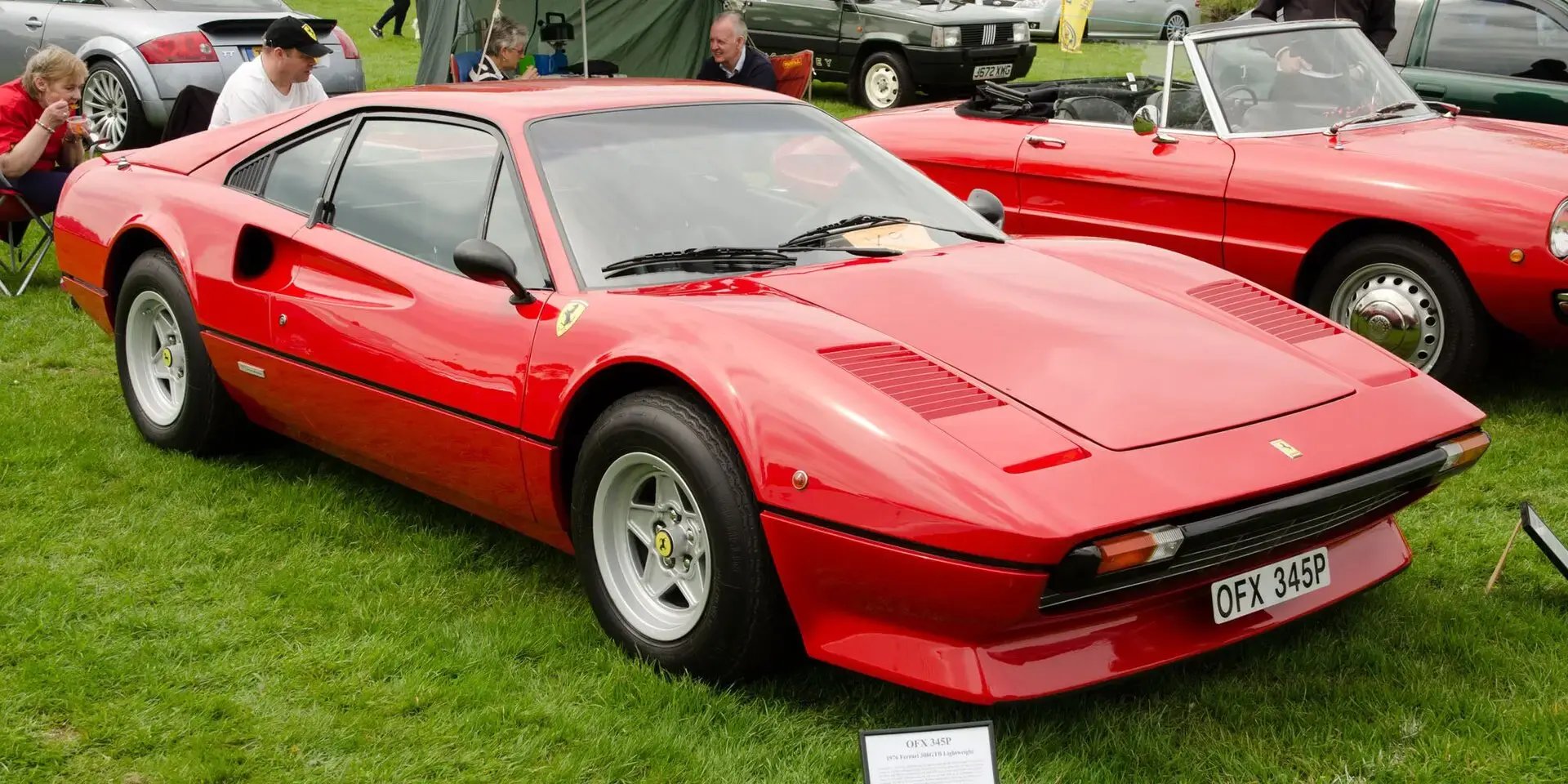
A realistic target in this category is an early Ferrari 308 GTB in fibreglass body construction. Ferrari switched to steel bodywork for US-market cars in late 1976 and for European cars around mid-1977, so genuine fibreglass examples span 1975 to early-to-mid 1977 depending on market. Total fibreglass production was approximately 808 cars, making them meaningfully rarer than the later steel-bodied versions.
Importantly, US-market 308s were detuned and fitted with emissions equipment that reduced power and altered the driving character relative to European-specification cars. A European-spec fibreglass 308 GTB with its original carburetted engine, unmodified drivetrain, and documented history represents the kind of provenance-heavy acquisition this segment rewards most consistently.
German Performance Cars: Usability and Long-Term Support
German sports and performance cars from the 1970s appeal to a slightly different kind of buyer. The appeal here tends to be the combination of mechanical quality, driving character, and a parts and specialist network that is unusually deep for cars of this age.
Many of the most appealing German targets from this decade share mechanical architecture with better-known models from adjacent years, which means components are often available and knowledgeable mechanics are not difficult to find in the US. For a buyer who intends to actually drive the car rather than store it, German sports cars from the 1970s often present a more manageable ownership experience than their Italian counterparts.
Values at the top of the market for the most original German examples have moved substantially. The broader market for mid-tier cars is more nuanced, and condition remains the primary driver of price rather than nameplate alone. West Coast Shipping's article on German classic car imports to the USA in 2026 gives useful context on how current buyer interest is distributed across different German models and years.
Example: Porsche 911 Carrera 3.0 (1976 to 1977)

A strong German candidate from this decade is the Porsche 911 Carrera 3.0, produced from 1976 to 1977 for the European market. US-market 911s of this era were detuned to meet federal emissions requirements, meaning a European-spec Carrera 3.0 offers meaningfully more power and a more characterful engine note than what American buyers received through official channels. Parts availability is excellent, the specialist network in the US is mature, and values for clean, unmodified examples have appreciated steadily.
British Sports Cars: Accessible Entry Points With Real Condition Risk
British sports cars from the 1970s offer some of the most accessible entry points in the European classic market, and that affordability reflects genuine risk rather than simply overlooked value. Rust, electrical system issues, and parts availability for less common models are real concerns that buyers need to assess carefully.
The strongest examples from reputable British marques have held or grown in value over recent years. The broader market is less consistent. A car that has been properly restored to a high standard by a known specialist is a very different proposition from a car that "presents well" with a recent paint job concealing more fundamental issues.
Pre-purchase inspection is arguably more important for British sports cars of this era than for any other 1970s European category, because the gap between a genuinely good example and a cosmetically appealing problem car can be extremely difficult to detect from photographs alone.
Example: Triumph TR6 (European Lucas fuel injection specification)
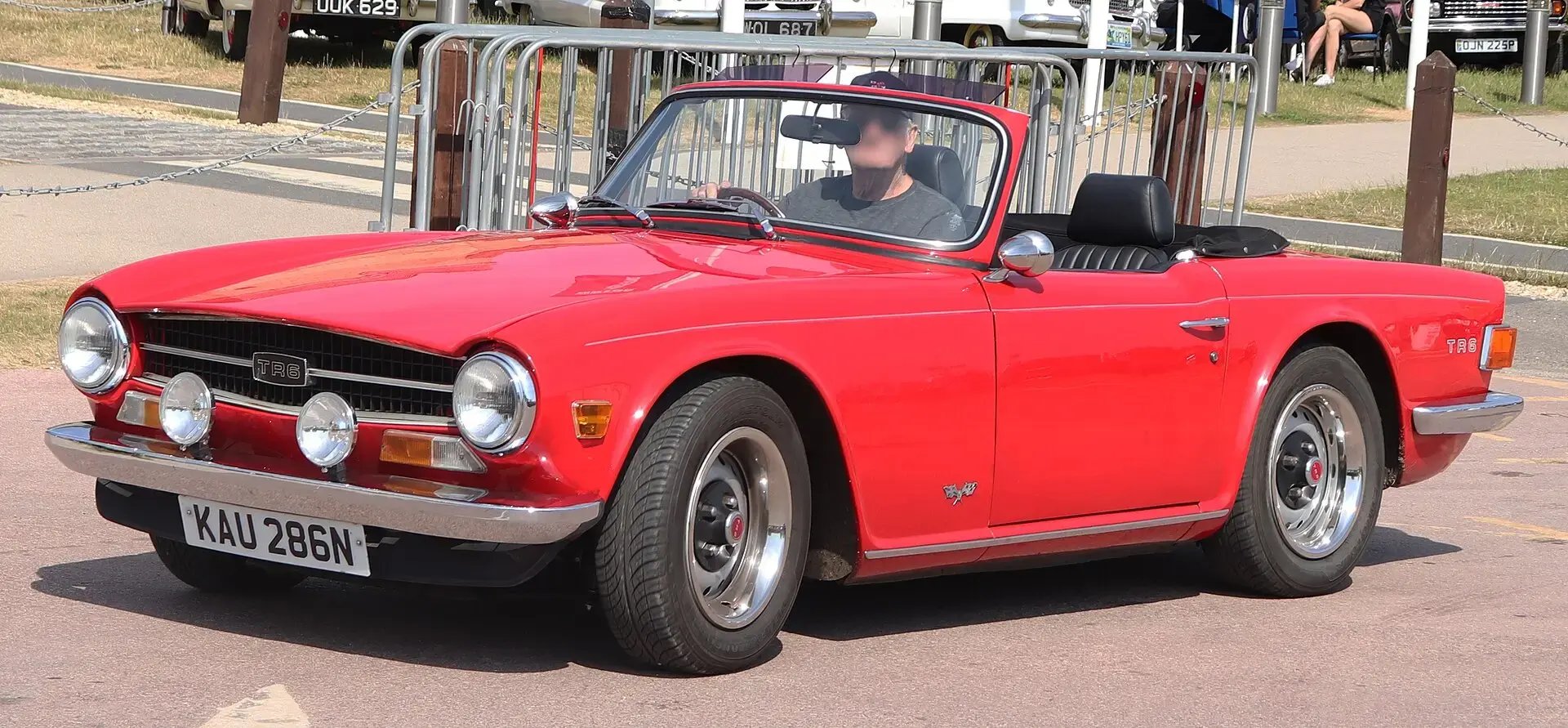
A tangible example here is the Triumph TR6 in European specification. European and UK-market TR6s used a Lucas fuel injection system producing approximately 150 bhp. US-market cars were fitted with twin Stromberg carburetors because the Lucas injection system did not meet American emissions standards, resulting in a significant power reduction to around 104 bhp.
That gap makes a clean, rust-free European TR6 with its original Lucas-injected drivetrain intact a noticeably more rewarding drive than its American counterpart. Examples can still be found at prices that feel reasonable relative to Italian or German alternatives of similar age, though condition varies considerably and structural inspection before purchase is essential.
French Sports Cars: Undervalued and Under the Radar
French sports cars from the 1970s occupy an interesting position. They are, in many respects, undervalued relative to their Italian and German contemporaries. Prices for the most interesting examples have not yet moved as dramatically, and the collector community around them in the US is smaller and less established.
Whether that represents an opportunity or a structural feature of the market is difficult to say with certainty. It seems likely that buyers with patience, genuine marque knowledge, and access to French specialist networks can find excellent cars at prices that would be impossible in the German or Italian markets. The tradeoff is a smaller buyer pool if you ever need to resell and a less developed US-based parts and service ecosystem for some models.
For buyers who are genuinely enthusiastic about the cars rather than primarily focused on investment returns, this segment may offer strong value. For buyers prioritising resale liquidity, Italian and German alternatives are generally a safer choice.
Example: Alpine A110 1600 S

The most compelling French candidate from this era is the Alpine A110 1600 S. Built by Renault-backed Alpine and never officially sold in the US, it is a genuine rally icon with a backbone chassis, rear-engine layout, and a driving character that has almost nothing in common with mainstream cars of the same period. Values for clean, original examples have been climbing steadily in European markets as international awareness grows. For a US buyer who moves early, it remains priced well below what comparable Italian machinery commands, though that gap appears to be narrowing.
What Makes a 1970s European Sports Car Worth Importing Specifically?
Originality as the core value driver
Across all four categories, the single most consistent value driver is originality. Matching numbers, unmodified drivetrains, original bodywork, and documented ownership history command premiums that can be substantial relative to similar cars that have been modified, heavily restored, or have gaps in their provenance.
This matters practically for import planning because:
-
A matching-numbers car is more straightforward to describe accurately on customs documentation
-
Original engines avoid the EPA scrutiny that engine swaps can trigger
-
Documented history supports the substantially original condition requirement for both NHTSA and EPA exemptions
A buyer who stretches budget to acquire a highly original example will often find that the acquisition premium is partially offset by a smoother import process and stronger long-term value.
What condition factors to investigate before committing
The main areas where 1970s European sports cars tend to hide problems:
-
Structural rust: Particularly in sills, floor pans, and boot floors on British and Italian cars
-
Engine and chassis number matching: Critical for value and for customs documentation
-
Respray or bodywork history: Paint thickness readings often reveal repairs that photos cannot
-
Non-original mechanical components: Engine swaps, gearbox replacements, and brake system upgrades that affect EPA exemption eligibility
-
Electrical systems: Particularly relevant for British and Italian cars where 1970s wiring can be unreliable
West Coast Shipping's checklist for importing a European car to the US walks through the documentation you should have in hand before any car from this era is loaded onto a vessel.
Shipping Costs: What to Budget for a 1970s European Sports Car
Container shipping as the standard method
Container shipping is the appropriate method for valuable classic cars. It provides full enclosure throughout the voyage, protects the car from weather and handling damage, and avoids the risks associated with open-deck roll-on roll-off transport.
For a 1970s European sports car, a sole-use container offers the cleanest protection but at higher cost than a shared container where your car travels alongside one or more other vehicles. For cars valued at six figures or more, the additional cost of a sole-use container is generally considered worthwhile.
Typical cost components for a Europe-to-USA classic car shipment
West Coast Shipping's Europe to US car import costs guide and the detailed cost breakdown for importing from Europe in 2025 identify the main cost components as:
-
Ocean freight: From approximately $2,750 per vehicle from major European ports such as Hamburg, Antwerp, Rotterdam, and Le Havre to New York, with transit typically around 18 days. UK departures are similar in cost at approximately $2,750, with around 26 days transit.
-
Port handling and documentation at origin and destination: Typically $600 to $1,200
-
US customs brokerage: Typically $450 to $1,200
-
Customs duty: 2.5% of the declared customs value for passenger vehicles over 25 years old
-
Inland US transport: $300 to $2,000 or more depending on destination
Note: These figures are approximate estimates based on current market rates and should not be treated as fixed prices. Freight costs, port fees, and transit times are subject to change. For a current quote, use the car import calculator or contact our team directly.
Tariffs: the 2.5% duty is not the only number to check
The base customs duty of 2.5% applies to passenger vehicles over 25 years old, but it is not the only tariff that may be relevant for 1970s European cars in 2026. Reciprocal tariffs and trade policy measures have been an active area of change, and their application to specific vehicle categories and countries of origin can vary.
Classic vehicles classified under certain Harmonized Tariff Schedule codes may be exempt from some of these additional charges, but the position is not identical for every origin country. Before finalising any acquisition budget, confirming current tariff exposure for your specific car and its country of origin with a licensed customs broker is strongly recommended. The car import calculator is a useful starting point for modelling total landed cost, but tariff confirmation should come from a professional who can assess the current position for your specific vehicle.
Building a Realistic Landed Cost: A Practical Framework
Start with the total, not just the purchase price
A common mistake is treating the European asking price as the primary budget constraint and treating shipping and duties as secondary costs to be worked out later. By the time you add freight, port handling, customs brokerage, duty, and domestic transport, the total landed cost can be 15 to 25 percent higher than the overseas purchase price depending on car value, route, and tariff position.
For a realistic planning exercise, try this sequence:
-
Identify the car and get a firm asking price
-
Use the car import calculator to model freight and fees for your specific route
-
Confirm duty and tariff rates with a customs broker for that vehicle's origin country
-
Add domestic transport from the US arrival port to your location
-
Factor in any post-arrival mechanical attention the car may need
That total is the number you should compare against market values for equivalent cars already in the US. If the landed cost is meaningfully lower than what comparable examples sell for domestically, the import case is strong. If the difference is marginal, the effort and logistical complexity may not be fully justified.
Route choice and its effect on cost
Origin port and US destination port both influence total cost in ways that are not always obvious. A car located in southern Italy will cost more to move to a northern European port than a car already in Hamburg or Antwerp. The US destination matters too: shipping to a West Coast port for a buyer in California may ultimately be cheaper than routing through New York despite longer ocean transit.
West Coast Shipping's article on what affects the cost of importing cars from Europe explains how these variables interact and which ones tend to have the biggest impact on total cost for classic car shipments.
How to Use Market Data to Assess Investment Potential
Comparing purchase price to US comparables
The clearest way to assess whether a specific 1970s European sports car makes sense as an import is to research what equivalent examples are selling for in the US market. If comparable cars are commanding prices that leave meaningful headroom above your estimated landed cost, the investment logic is straightforward.
If the gap is narrow, the calculation becomes more nuanced. It may still make sense if the available European example is significantly better in condition or specification than what is currently on the US market. But importing a mediocre car at mediocre cost to achieve a mediocre result is a pattern worth consciously avoiding.
West Coast Shipping's guide on best classic car investments provides useful framing for understanding how different classic categories have performed and what characteristics tend to support long-term value retention.
The role of pre-purchase inspection in protecting investment value
Any meaningful analysis of a 1970s European sports car as an investment depends on knowing what you are actually buying. A car with hidden structural corrosion, a non-matching engine, or significant undisclosed bodywork is worth considerably less than its presentation suggests. And unlike a domestic purchase where you could inspect the car in person before committing, buying remotely in Europe means you are relying on documentation and third-party assessment.
Arranging an independent pre-purchase inspection in Europe before funds are transferred is the most direct way to close that information gap. The main article on European sports car imports, inspections, and grey market rules covers how to organise this, what a thorough inspection should cover, and how the report integrates with the rest of your import documentation.
Ready to Plan Your 1970s European Sports Car Import?
A 1970s European sports car that is well-chosen, properly documented, and realistically costed can be one of the most rewarding import projects available to US buyers today. The compliance barriers are minimal, the cars are genuinely interesting to own, and the right examples hold value well.
Use the car import calculator to build a landed-cost estimate for your target vehicle before you commit to a purchase. West Coast Shipping coordinates collection in Europe, export, and ocean transport to your chosen US port so that the logistical side of your acquisition is handled by people who do this every day.
Get Your Shipping Quote

1970s American Muscle Cars: UK Historic Tax & MOT Exemption Guide

Top 5 1970s American Muscle Cars to Import to the UK