

Choosing the best international car shipping company in 2026 is no longer just about getting the lowest rate. With changing port rules, tighter dangerous‑goods scrutiny for EVs, and busier global trade lanes, the real question is: which business model and setup actually delivers smoother, safer, and more predictable results?
This guide walks through what separates top‑tier international car shipping services from the rest—using West Coast Shipping’s approach as a reference point, and drawing on patterns from the international car shipping hub and the broader blog library.
Whether you’re shipping a single classic, a modern EV, or a multi‑car collection, these five lenses will help you evaluate overseas car shipping companies with the same rigor they use to evaluate you.
Direct vs Broker International Car Shipping Companies: Which Model Delivers Better Service?
At a high level, you’ll encounter two main business models when you research overseas car shipping companies:
-
Direct operators:
-
Run their own export yards, loading crews, and often hold direct contracts with ocean carriers.
-
Coordinate inland transport, export clearance, loading, and sailing internally.
-
-
Pure brokers:
-
Operate as intermediaries between you and multiple unrelated vendors.
-
Rely on third‑party yards, third‑party consolidators, and third‑party carrier relationships.
-
The international car shipping services overview describes how West Coast Shipping functions as a specialist operator with its own facilities and long‑standing carrier relationships, which is a hybrid many experienced shippers now prefer.
Want to understand how a company’s business model really affects your shipment? Read our deep dive on direct vs broker international car shipping models to see which structure offers better control, communication, and risk management before you choose a provider.
How the models differ in day‑to‑day experience
Control and visibility
-
A direct‑style operator with its own staff and facilities can give you real photos from the warehouse, clear timelines for container loading, and consistent handling standards.
-
A pure broker may need to “ask around” for status updates and can be limited by whatever information each subcontractor is willing to share.
Problem‑solving under pressure
-
When a port tightening, carrier policy change, or customs question hits, direct operators can adapt quickly: shift to a different carrier, adjust loading schedules, or re‑route containers.
-
Brokers often sit between your expectations and what their vendors can deliver, which can turn every change into a game of telephone.
Consistency across destinations
The more global your shipping, the more you benefit from companies that use the same internal processes for documentation, condition reports, and loading—regardless of whether the destination is Turkey, Norway, Panama, or Saudi Arabia. The WCS network of destination pages (such as Turkey and Asia) reflects this consistency.
When a broker‑heavy model might work
There are cases where a broker‑heavy model can be acceptable:
-
Extremely niche destinations or short‑term projects.
-
One‑off spot moves where you primarily care about price, not repeatability.
But if you’re looking for the best international car shipping company for high‑value vehicles, recurring shipments, or EVs and hybrids, the trend in 2026 is clear: choose providers who behave like operators, not switchboards.
What International Car Shipping Services Should Include: Complete Checklist
Regardless of whether a company is more “direct” or more “broker,” a top‑tier provider should offer a complete package that looks a lot like West Coast Shipping’s international car shipping process. Use this as your checklist.
1. Pre‑shipment consultation and route design
Your first interaction should feel like a planning session, not a sales pitch. Expect:
-
Discussion of origins and destinations, including realistic transit windows—not just a single “days on water” number.
-
Advice on shipping method (for example, container shipping vs RoRo vs Air freight), driven by vehicle type, risk tolerance, and destination port behavior.
-
Early identification of special cases: classics, modified vehicles, or EVs covered under guides like the complete EV shipping guide.
Want a simple way to see if a provider really offers end‑to‑end service or is just reselling space? Use our International Car Shipping Services Checklist (2026 Guide) to audit quotes step‑by‑step—covering consultation, documents, loading, transit, and delivery before you choose a shipper.
2. Inland transport coordination
The company should be able to:
-
Arrange door pickup via open or enclosed transport.
-
Advise when it’s worth paying more for enclosed carriers (for example, high‑value classics or low‑clearance EVs).
-
Provide condition reports at handover, similar to what you see in destination‑specific articles like shipping classic cars to Turkey.
3. Export document management
Look for clear support with:
-
Titles, bills of sale, and ownership verification.
-
U.S. export rules—for example, AES/EEI filing for used self‑propelled vehicles, explained step‑by‑step in the USA–Turkey process guide.
-
Destination‑specific requirements (such as notarized powers of attorney, translations, or destination tax IDs).
If the company leaves you to “figure out the paperwork,” you’re not dealing with a best‑in‑class provider.
4. Professional loading and securing
For container shipments, full‑service international car shipping services should include:
-
In‑house or closely managed loading at a dedicated facility.
-
Use of metal racking, wheel chocks, straps, and blocking—documented in photos.
-
Tailored methods for EVs and low‑clearance cars, in line with best practices highlighted across WCS’s EV content.
5. Dangerous‑goods and EV handling
A true contender for best international car shipping company in 2026 must understand:
-
UN classification for battery‑powered vehicles under the current IMDG amendment.
-
Carrier‑specific state‑of‑charge (SOC) requirements and documentation expectations.
-
Coordination of dangerous‑goods declarations where required.
Companies that treat EVs like regular cars are already getting caught out as carriers tighten DG enforcement.
6. Customs brokerage coordination at destination
While the shipping company may not act as your broker, they should:
-
Have a network of trusted customs brokers for key destinations (for example, Turkey, EU countries, Middle East).
-
Provide consolidated documentation packs with commercial invoice, bill of lading, and condition reports that your broker can use.
-
Offer guidance on local taxes and fees via destination articles, like the duties and VAT guide for Turkey.
If a provider simply says, “Find your own broker; we just ship,” you’re shouldering extra risk and complexity.
7. Tracking, communication, and exception handling
Top‑tier overseas car shipping companies:
-
Provide status updates at key milestones: vehicle received, loaded, on board, discharged, customs cleared, ready for pickup.
-
Have a clear point of contact who can explain schedule changes and port delays, not just forward carrier emails.
-
Publish articles like transit time to Turkey to set realistic expectations.
If you have to chase your provider for every update, they’re probably over‑reliant on third parties.
Why Direct Ocean Carrier Contracts Matter When Shipping Cars Overseas
On paper, many companies look similar: they all ship cars in containers or via RoRo, they all quote similar transit times, and they all claim global reach. Behind the scenes, though, one factor separates stable operators from fragile ones: direct ocean carrier contracts.
Priority and predictability in tight markets
In busy seasons or on constrained routes, carriers prioritize:
-
Long‑standing contract customers with volume commitments.
-
Partners who load containers cleanly, accurately, and on time.
A company that holds direct contracts can often:
-
Secure better space protection on popular sailings.
-
Re‑book more quickly if a sailing is blanked or rolled.
-
Negotiate flexible solutions when a shipment has special handling requirements.
By contrast, a pure broker that buys space through multiple intermediaries is exposed to every link in that chain.
Want to know why some shippers get space and stable schedules when the market is tight? Read our breakdown on why direct ocean carrier contracts matter in 2026 to see how direct relationships influence reliability, roll risks, and pricing on your lane.
Better alignment on special cargo: EVs, classics, and high‑value cars
Direct contracts also help when your cargo is not “standard”:
-
Lithium‑ion EVs that require DG review and tighter SOC rules.
-
Classics that need special stowage or handling, as seen in guides like 10 classic American muscle cars to buy under $30k and Northern California classic car buyers guide.
-
Mixed loads that combine motorcycles, parts, and vehicles.
A company with direct relationships can have real conversations with carrier operations and DG teams; a broker is usually limited to whatever email comes back from someone else’s account manager.
How to ask about carrier relationships
When evaluating international car shipping services, ask:
-
“Do you have direct contracts with the ocean carriers used on this lane, or do you buy space via intermediaries?”
-
“Who actually books and manages space with the carrier—your team, or a third‑party consolidator?”
-
“If a sailing is cancelled, how do you prioritize which containers move first?”
The clearer and more specific the answers, the more likely you’re talking to a true operator rather than a reseller.
Private Warehouses vs Third‑Party Facilities: Impact on International Car Shipping Quality
One of the most overlooked questions when choosing the best international car shipping company is: “Who actually touches my car?”
What private, in‑house warehouses offer
Companies that operate their own export warehouses—like West Coast Shipping’s hubs highlighted on the Contact page—can control:
-
Security: gated yards, cameras, staff who only handle cars, and documented access.
-
Consistency: the same loading standards, photo documentation, and checklists across all vehicles.
-
Accountability: if something goes wrong, there is no confusion about which party was responsible inside the warehouse.
They can also tailor processes for:
-
High‑value classics and exotic cars that need extra documentation and careful loading angles.
-
EVs and hybrids that may require special parking zones or DG‑compliant procedures.
Want to see why it matters where your car actually sits before it sails? Read our guide on private warehouses vs third‑party facilities to understand how storage, security, and handling quality can change your risk profile long before the ship leaves port.
Risks of generic third‑party facilities
When an overseas shipper uses generic third‑party yards:
-
Your car may sit next to cargo that is not automotive at all, handled by staff with different training and priorities.
-
Photo documentation can be inconsistent or non‑existent, making it harder to challenge damage or condition disputes.
-
Standards can vary from one yard to another, even under the same brand name, depending on local partners.
This doesn’t mean all third‑party yards are bad; many are excellent. But from a customer’s perspective, it is harder to know what you’re getting.
How facilities affect schedule and quality
Private warehouses tied into a company’s own consolidation and loading schedules can:
-
Offer more predictable cut‑off dates for each sailing.
-
Load vehicles earlier in the cycle, reducing last‑minute stress.
-
Adjust container configurations (for example, 2‑car vs 3‑car loads) to keep cargo moving.
In contrast, if your provider is one of many customers at a third‑party facility, your car’s priority can depend on other customers’ volume and timing.
Private Warehouses vs Third‑Party Facilities: What to Ask Before You Book
Because facilities and loading practices drive much of the real‑world risk in international car shipping, it is essential to ask how a company handles the critical loading window—the few hours when cars are loaded into containers or onto vessels and secured for a journey that can last weeks. That short window is where many of the most expensive problems start—or are prevented.
When you compare overseas car shipping companies, focus your questions on whether they use in‑house loading teams or fully outsourced loading, and how that fits into their overall setup of private warehouses, carrier contracts, and destination partners.
1. “Do you use in‑house loading teams or third‑party yard staff?”
Start by clarifying who actually does the physical work:
-
In‑house loading means the shipping company:
-
Employs its own specialized vehicle loading staff, rather than relying on ad‑hoc labor at a third‑party yard.
-
Trains these teams on car‑specific techniques—racking, winching, low‑clearance handling—based on proven methods.
-
Integrates loading into a broader logistics system that includes private warehouses, carrier contracts, and destination partners.
-
-
By contrast, some international car shipping services:
-
Drop vehicles at third‑party warehouses where general freight staff handle loading.
-
Depend on the yard’s processes and priorities, which might focus on speed and container throughput, not vehicle care.
-
Have limited direct oversight or control once the car is inside the facility.
-
Both models can get a car onto a ship—but the risk profiles are very different.
Want to see why it matters who actually loads and secures your vehicle before it sails? Read our guide on in‑house loading teams and risk reduction to understand how specialized crews, consistent standards, and better documentation can protect your car (and your timeline).
2. “How are vehicles actually loaded and secured?”
Next, ask about the techniques and equipment the team uses. In‑house teams at top‑tier providers are trained to:
-
Use drive‑in, winch, or forklift loading depending on vehicle condition, as described in the WCS container shipping step‑by‑step guide.
-
Align vehicles precisely inside narrow containers with spotters, ramps, and wheel guides to avoid scraping or misalignment.
-
Choose appropriate securing points on the chassis or wheels to prevent movement without stressing suspension or bodywork.
Because in‑house teams operate within the same company, the same loading standards can apply:
-
In California, Florida, and New Jersey export hubs.
-
Across different vehicle types, from everyday sedans to exotics and classics.
-
For both individual shipments and full container programs for dealers.
This kind of consistency is highlighted in WCS’s finished vehicle logistics and volume logistics content, where in‑house loading is presented as a core quality and cost‑control lever for volume shippers.
3. “How does your loading setup affect timing and problem‑solving?”
Risk also includes delays, rollovers, and last‑minute surprises that come from poor coordination. Operator‑style companies that combine:
-
Private warehouses.
-
In‑house loading teams.
-
Direct carrier relationships.
can synchronize loading schedules with carrier space in a way many broker‑heavy providers cannot. As described on the international car shipping page and in articles about booking practices, WCS uses its own teams to:
-
Build containers in time for known vessel cut‑offs.
-
Adjust loading sequences when carrier schedules change.
-
Reduce the risk that a container misses a sailing because “the yard was behind.”
When a vehicle arrives with a mechanical issue, lower ground clearance than expected, or bodywork that complicates standard loading, an in‑house team can adapt immediately—changing loading method, adjusting ramps, or altering container configuration. Outsourced teams may need to “check with the shipper” or wait for instructions, introducing delays and miscommunication.
4. “What documentation do your loading teams produce?”
A strong loading process also documents reality so disputes are rare and easier to resolve. In‑house teams working in private warehouses can integrate documentation into standard workflows:
-
Condition inspections at intake, before loading.
-
Photo sets during loading, showing how each car is secured.
-
Final checks when the container is sealed.
Guides like How Cars Are Loaded in Containers explain how this combination of professional loading and thorough documentation creates a strong audit trail for finished vehicle logistics and retail customers alike. When overseas car shipping companies outsource loading, documentation standards may vary by yard or even by shift, making it harder to prove what happened if a claim arises.
With in‑house loading:
-
There is a single company responsible for how the car was handled inside the warehouse and container.
-
Internal teams can review procedures and address issues without finger‑pointing between multiple vendors.
This level of accountability is highlighted in WCS’s article on how to choose a finished vehicle logistics company, which contrasts in‑house operations with models that outsource key functions like loading and documentation.
5. “How do you handle EVs, classics, and non‑runners during loading?”
As powertrains diversify and vehicles become more complex, the loading step carries additional risk and regulatory scrutiny. Ask how the company’s teams handle different vehicle types:
-
Electric vehicles and hybrids bring:
-
High‑voltage battery systems that require careful handling.
-
State‑of‑charge (SOC) rules defined by carriers.
-
Dangerous‑goods classification under the current IMDG code.
An in‑house team with EV experience—supported by broader WCS EV shipping content—can:
-
Check SOC at the warehouse and document it before loading.
-
Apply carrier‑specific stowage and parking rules for EVs in containers.
-
Coordinate DG documentation with WCS’s operations team and the carrier’s DG desk.
Outsourced teams may not have the same training or direct line to the shipper’s compliance specialists, increasing the chance of booking rejections or delays.
-
-
For classics, exotics, and non‑running vehicles, in‑house expertise is just as important:
-
Low‑clearance exotics need precise ramp angles and careful positioning.
-
Classics and vintage cars may have fragile trim or non‑standard weight distribution.
-
Non‑runners and salvage units often require winching or forklift‑assisted systems like those described in the container loading techniques guide and bulk salvage car shipping.
-
In‑house teams that practice these techniques daily can adapt safely; generic warehouse labor may not have that background.
6. “Can you show me how your in‑house loading works in practice?”
Finally, verify that the company’s claims match its public track record. Because “in‑house” sounds attractive, some providers use the term loosely. To check:
-
Ask them to walk you through their loading process step‑by‑step and compare the explanation to WCS guides such as:
-
Look for evidence that they:
-
Publish detailed content about loading methods, equipment, and container configurations.
-
Show real photos or diagrams of how vehicles are positioned and secured.
-
Talk about “our loading teams” in conjunction with private warehouses and carrier contracts, as WCS does on its international car shipping and wholesale car shipping pages.
-
Companies that actually run in‑house teams tend to provide specific answers, not generic assurances. If their website barely mentions loading—or only shows stock photos—it may be a sign that a third party handles this critical step.
Request a Custom International Car Shipping Plan
If you’re comparing international car shipping services or trying to shortlist the best international car shipping company for your situation, the next step is to move from theory to your actual vehicles and routes.
Start by reviewing the international car shipping overview to see how West Coast Shipping structures its global network and services, then browse destination‑specific guides in the blog to understand what matters most for your country.
Get a Side‑by‑Side Quote From Leading Overseas Car Shipping Companies
Once you know what to look for—direct vs broker models, carrier contracts, facility quality, and EV readiness—you’re ready to compare real offers.
Use the links above to review West Coast Shipping’s approach, then use the button below to request a side‑by‑side quote and see how a top‑tier operator structures pricing, timelines, and handling for your overseas car shipment.

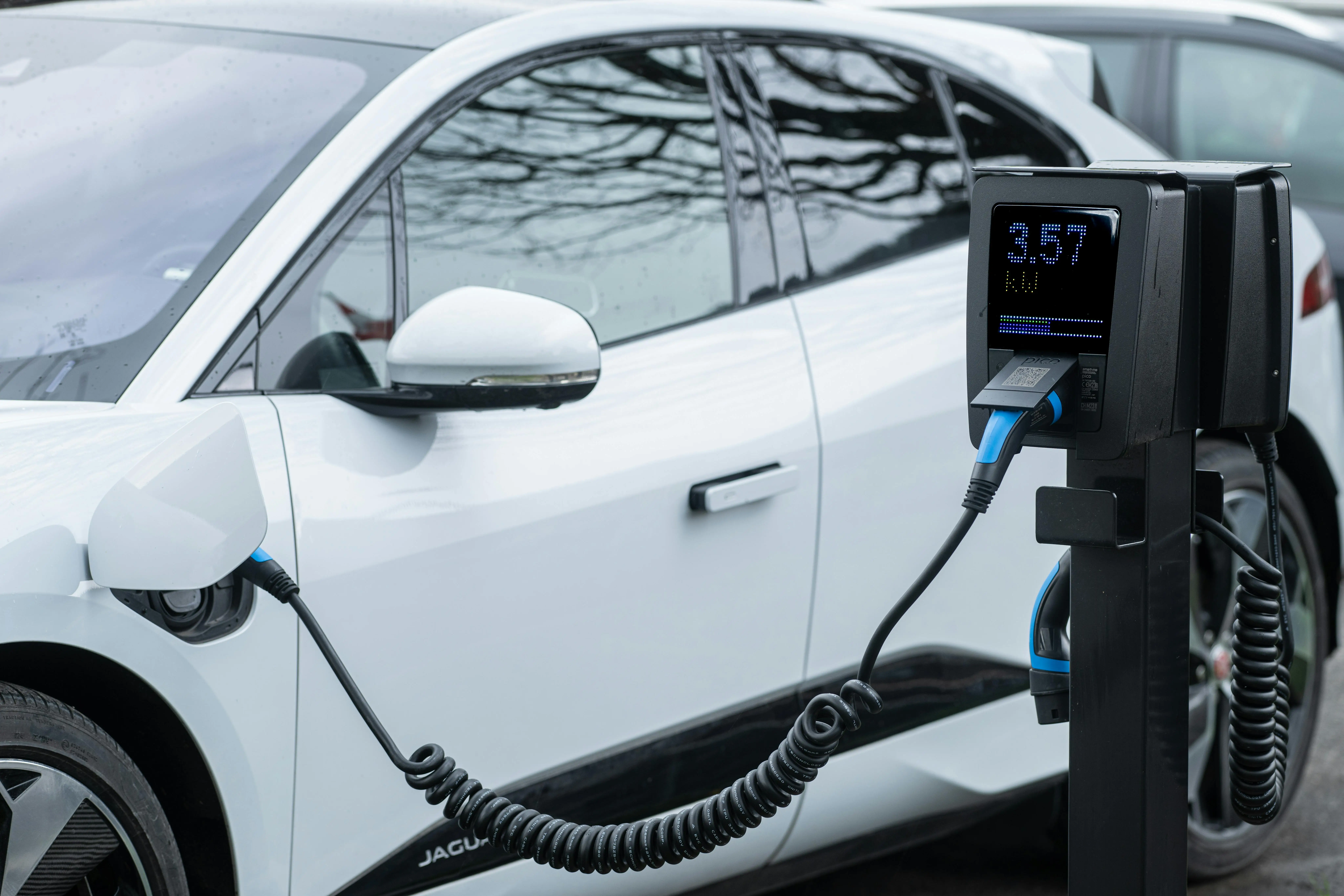
Shipping EVs vs Gas Cars to Turkey: Costs & Risks
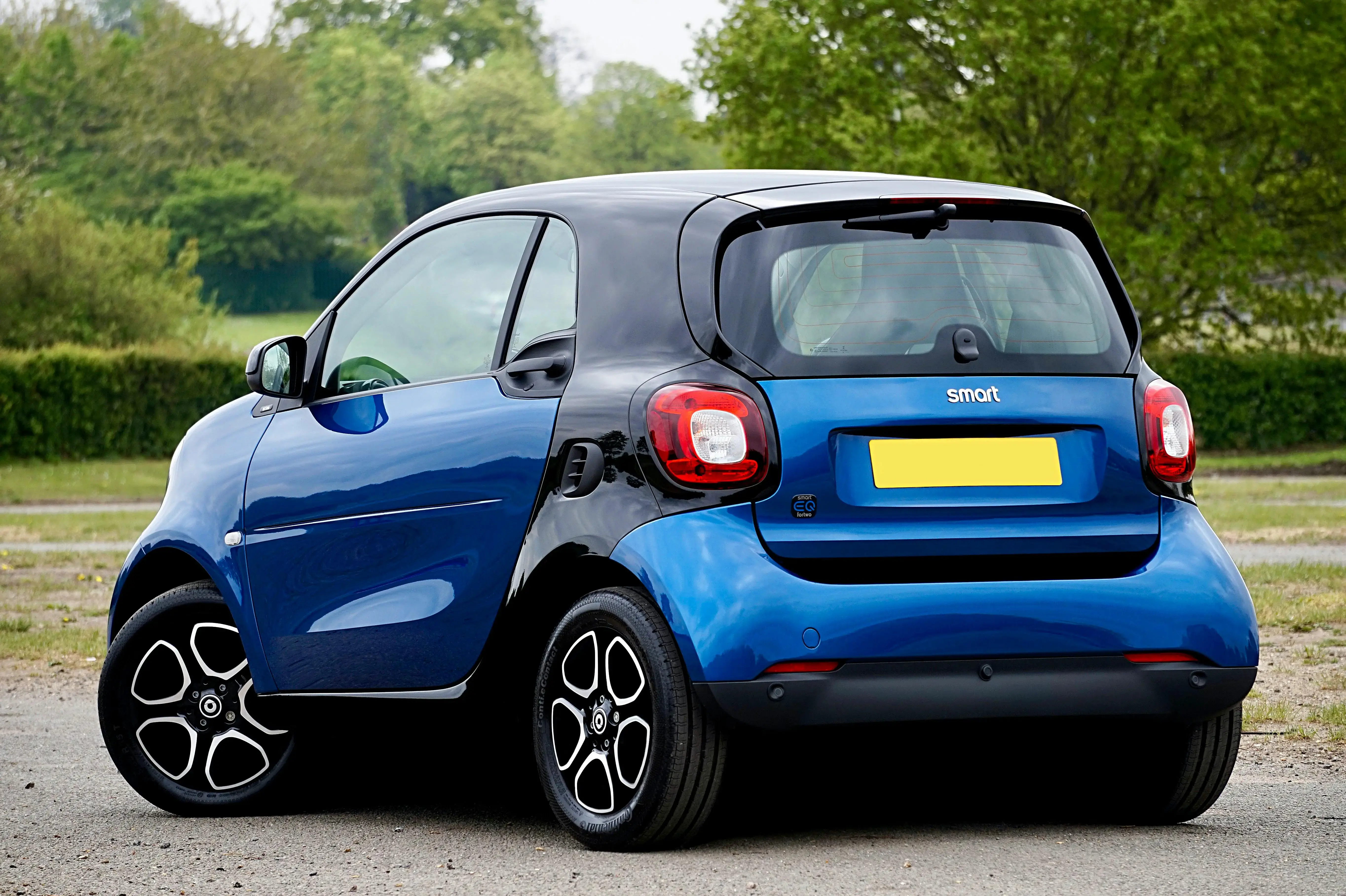
Ship Electric Vehicles to Turkey: Taxes, Costs & EV Prep Guide