
Direct vs Broker: Best International Car Shipping Model
When you start comparing quotes from overseas car shipping companies, you quickly discover something important: not every “international car shipper” actually ships cars. Some companies operate their own warehouses, loading crews, and carrier contracts. Others sit in the middle as pure brokers, passing your booking to a chain of third‑party vendors.
If your goal is to find the best international car shipping company for your situation, you need to understand how these two models work—and how they affect your timeline, risk, and overall experience. This article breaks down direct vs broker structures, using patterns from West Coast Shipping’s international car shipping services and the pillar guide on how to choose the best international car shipping company in 2026.
Direct vs Broker: What Do These Models Actually Mean?
In practice, most international car shipping services fall somewhere on a spectrum between two extremes.
Direct-style operators
These companies behave like actual logistics operators:
-
Run their own export warehouses in key locations (for example, West Coast Shipping’s facilities in California, Florida, and New Jersey).
-
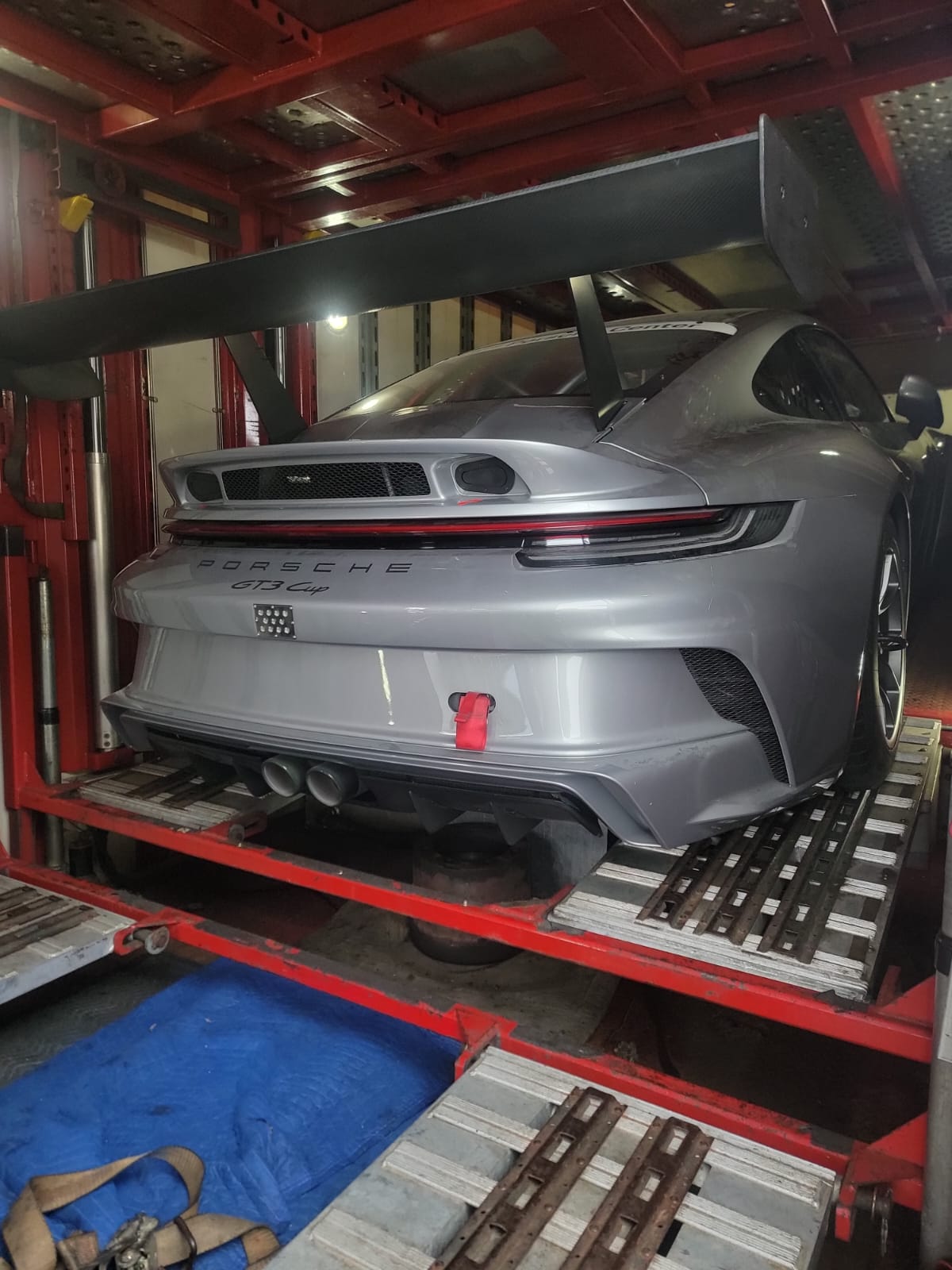
Use in‑house staff to load and secure cars into containers, following consistent procedures.
-
Hold direct relationships with ocean carriers, sometimes with contracted space on specific routes.
-
Coordinate inland pickup, port delivery, export clearance, loading, and overseas transport under one integrated process.
West Coast Shipping’s international car shipping overview is a good example of this operator model in action—especially the parts describing private warehouses, container loading, and end‑to‑end handling.
Broker-heavy models
At the other end of the spectrum, you have companies that:
-
Do not operate their own warehouses or loading crews.
-
Forward jobs to third‑party yards, third‑party consolidators, and third‑party ocean freight providers.
-
Depend on external partners for loading, storage, and often even documentation.
-
Make money primarily as intermediaries—matching customers with whoever has space or capacity at the moment.
These brokers can still provide value, especially for uncommon routes or one‑off spot moves, but their control and visibility are inherently limited.
How Each Model Affects Your Experience
Service quality is less about marketing promises and more about what actually happens when your car leaves your driveway. Here’s how direct vs broker structures play out in real life.
1. Control and accountability
Direct-style providers
-
When the shipper manages its own warehouse, loading bay, and container build schedules, you get clear ownership: if there’s a loading question, damage dispute, or timing issue, there is one team to speak with.
-
The same internal procedures can apply whether your car is going to Turkey, Europe, the Middle East, or Australia.
Broker-heavy providers
-
Your car passes through multiple hands, often without a single entity truly owning the process.
-
If something goes wrong, you may hear “we’re checking with our agent,” which can mean waiting while different vendors figure out who is responsible.
For complex shipments—EVs, classics, or multi‑vehicle consolidations—this difference in accountability can be the line between a smooth experience and weeks of uncertainty.
2. Speed and flexibility in a changing environment
Global shipping remains volatile, with blank sailings, port congestion, and changing dangerous‑goods rules. In this environment, the best international car shipping company for you is the one that can adapt.
Direct-style operators
-
With established carrier relationships and predictable consolidation flows, they can often:
-
Switch to another sailing faster if a vessel is cancelled.
-
Reconfigure container loads to keep cars moving.
-
Coordinate with carrier operations and DG teams when your vehicle needs special handling.
-
Broker-heavy providers
-
Rely on what their upstream freight providers decide.
-
Often have less room to negotiate exceptions or alternative routings because they’re one of many customers in someone else’s system.
If you’re shipping to ports covered in WCS’s destination content—like the hubs profiled in top global car shipping ports—you want a partner who is embedded in those port flows, not just reselling access.
3. Transparency and communication
Both models will claim “great communication,” but their structures make it easier or harder to keep that promise.
Direct-style providers
-
Can show real photos from their own warehouses, including pre‑loading condition reports and container layouts.
-
Have internal systems that track each stage: arrival at warehouse, loading, sailing, arrival, and release.
-
Publish detailed guides—like the 2026 international car shipping process overview—reflecting the steps they control every day.
Broker-heavy providers
-
May depend on third‑party emails or spreadsheets for status updates.
-
Sometimes lack real‑time visibility into exactly when a vehicle was loaded or which container it is in.
If you’ve ever felt like your shipper is “chasing” another company for information, you’ve probably been dealing with a broker‑heavy setup.
Where Brokers Still Add Value—and Where They Don’t
It would be unfair to say brokers never add value. The key is knowing when their structure works for you and when it doesn’t.
When a broker-heavy model can be acceptable
-
Rare destinations or small volume routes where even direct operators rely on niche partners.
-
One‑off moves where your top priority is lowest possible cost, even if that means more variability in service.
-
Situations where you already have a strong destination partner and primarily need someone to arrange the ocean leg.
Even then, you’ll still want to verify basic capabilities using questions like those in WCS’s top questions to ask an international shipper.
When a direct-style operator is the better choice
If any of the following apply, you’re usually better served by an operator‑style company:
-
You are moving a high‑value or collector car and want careful handling at each step.
-
You’re shipping a battery‑electric or plug‑in hybrid vehicle and need a provider that understands UN classification, SOC rules, and EV loading practices.
-
You plan multiple shipments over time and want consistency rather than renegotiating every move.
In these scenarios, the overseas car shipping companies that control their own facilities and have direct carrier relationships are far more likely to meet expectations.
How to Evaluate Direct vs Broker International Car Shipping Companies
Labels can be misleading—many providers call themselves “global operators” even if they outsource almost everything. You need to look at the evidence.
1. Ask about facilities and staff
Key questions:
-
“Where will my car physically be stored and loaded before it goes into a container or onto a ship?”
-
“Is that warehouse operated by your company, or by a third party?”
-
“Who actually secures the vehicle in the container—your employees or someone else’s?”
West Coast Shipping, for example, spells this out on its international car shipping page: vehicles are collected, brought into WCS‑operated warehouses in CA, FL, and NJ, and loaded into containers by in‑house teams.
2. Ask about ocean carrier relationships
To separate operator‑style companies from pure brokers, ask:
-
“Do you have direct bookings or contracts with the main carriers on this route?”
-
“If a sailing is cancelled, who works with the carrier to rebook—your team or a freight forwarder you use?”
-
“How often do you consolidate containers to my destination from each warehouse?”
Clear, confident answers usually signal a more direct structure and better control over space and timelines.
3. Review their content and case studies
Look for:
-
Detailed process articles, such as WCS’s beginner guides and method comparisons like how to choose the right international car shipping method.
-
Destination‑specific guides that describe real steps and pitfalls, not just marketing copy.
-
Evidence that they’ve handled complex moves—classic collections, rally shipments, or high‑value cars—repeatedly.
Operators publish content that reflects hands‑on experience; brokers often share very generic descriptions of “we handle everything.”
4. Compare the quote structure, not just the price
When quotes come in, compare more than the total:
-
Does the proposal explain what’s included (collection, export clearance, loading, ocean freight, port handling) in a way that matches the international car shipping process?
-
Is the timeline broken into phases (pickup, consolidation, sailing, arrival), or is there just a single “X days” estimate?
-
Are there clear notes on where third‑party partners join the chain?
The more transparent and structured the quote, the more likely you’re dealing with a company that truly understands and controls the workflow.
Direct vs Broker: Which Model Delivers Better Service?
If your main goal is to find a one‑time low cost for a standard running vehicle on a common lane, a broker‑heavy model can sometimes work, particularly if you’re comfortable with more variability.
But if you are trying to choose the best international car shipping company in a more meaningful sense—one that offers:
-
Consistent international car shipping services across multiple routes.
-
Control over warehouses, loading, and documentation.
-
Direct relationships with carriers and destination partners.
then a direct‑style operator is almost always the better choice. This is the model described in West Coast Shipping’s best international car shipping company in 2026 guide and reflected in their international car shipping operations page.
The lesson for 2026 is simple: treat the choice like a supply‑chain decision, not just a price comparison.
Get Help Choosing Between Direct and Broker Models
If you’re still unsure which model is right for your shipment:
-
Start with the pillar guide on how to choose the best international car shipping company in 2026 to see how direct vs broker structures affect risk and cost.
-
Review the international car shipping services overview to understand how a direct‑style operator builds its process around warehouses, carrier bookings, and consolidation.
Ready for a Direct vs Broker Comparison on Your Route?
To see the difference in practice, request a quote that outlines how your car would move through a direct‑style operation—warehouses, loading, carrier booking, and destination handling—so you can compare it against broker‑only offers and decide which model delivers better service for your overseas car shipment.
You May Also Like
These Related Stories

Best International Car Shipping Company in 2026

Motorcycle Shipping Quotes Explained Line‑by‑Line

-093789-edited.png?width=220&height=79&name=wcs_final_logo_(1)-093789-edited.png)