

Euro 6 is the question that stops a lot of American car imports to Spain before they even reach the shipping stage. A buyer finds a low-mileage Dodge Challenger or a clean Ford F-150 they want to bring over, then discovers that EU emissions compliance is not simply a matter of paperwork. Whether the car physically meets European NOx limits under European testing conditions is a technical question with real consequences for registration.
The short answer is that some modern American vehicles can pass Euro 6 without modification, some can be brought into compliance with targeted work, and others face a gap that makes modification economically impractical. Understanding which category your vehicle falls into before booking the container is the single most useful thing you can do at the planning stage.
What Euro 6 Actually Requires
The Standard in Plain Terms
Euro 6 is the EU's current emissions framework for passenger cars and light commercial vehicles. It sets limits on four key pollutants measured in milligrams per kilometre under the WLTP test cycle and confirmed under Real Driving Emissions conditions:
-
Nitrogen oxides (NOx): 60 mg/km for petrol engines
-
Particulate matter (PM): 5 mg/km (0.005 g/km) for petrol direct injection engines
-
Carbon monoxide (CO): 1,000 mg/km for petrol engines
-
Total hydrocarbons (THC): 100 mg/km for petrol engines
For diesel engines, the Euro 6 NOx limit is set at 80 mg/km, higher in numerical terms than the petrol limit, but enforced under RDE conditions that are particularly demanding for diesel engines not calibrated to European targets. US diesel trucks and SUVs face a difficult compliance path not because the NOx number is numerically lower, but because diesel engines produce elevated NOx during cold starts and dynamic driving conditions, and RDE testing captures exactly that real-world behaviour. The particulate filter requirements for Euro 6 diesel add a further layer of complexity that most American diesel vehicles were not designed to meet.
Why Comparing US and EU Standards Is Not Straightforward
A common question from US sellers and buyers is how American EPA standards compare numerically to Euro 6. The comparison is genuinely complicated and worth explaining accurately rather than simply.
The US EPA Tier 3 Bin 50 standard sets a combined NMOG and NOx limit of 50 milligrams per mile, not a NOx-only figure, and uses the FTP-75 test cycle rather than WLTP. These are different pollutant groupings, different test cycles, and different units. Converting between them is not a simple multiplication, and presenting a single comparative number would be misleading. The practical reality is that a vehicle certified under US Tier 3 cannot be assumed to meet Euro 6 NOx limits without independent testing under the European protocol. The gap is most significant for large-displacement petrol engines and all diesel engines. For smaller, turbocharged petrols from manufacturers with global platforms, the gap is often much narrower.
What this means for an importer is that the only reliable way to know whether a specific vehicle meets Euro 6 is through actual WLTP testing or through confirmation from the manufacturer that the powertrain was designed to Euro 6 targets, which applies to some vehicles sold in both the US and European markets.
Which American Cars Have the Best Chance of Passing
Vehicles Most Likely to Pass Without Significant Modification
The vehicles with the strongest chance of meeting Euro 6 without modification share a common characteristic: they use powertrains that their manufacturers also sell in European markets, meaning the underlying engine architecture was designed with Euro 6 in mind from the outset.
Ford Mustang Mach-E and other US-built EVs and plug-in hybrids
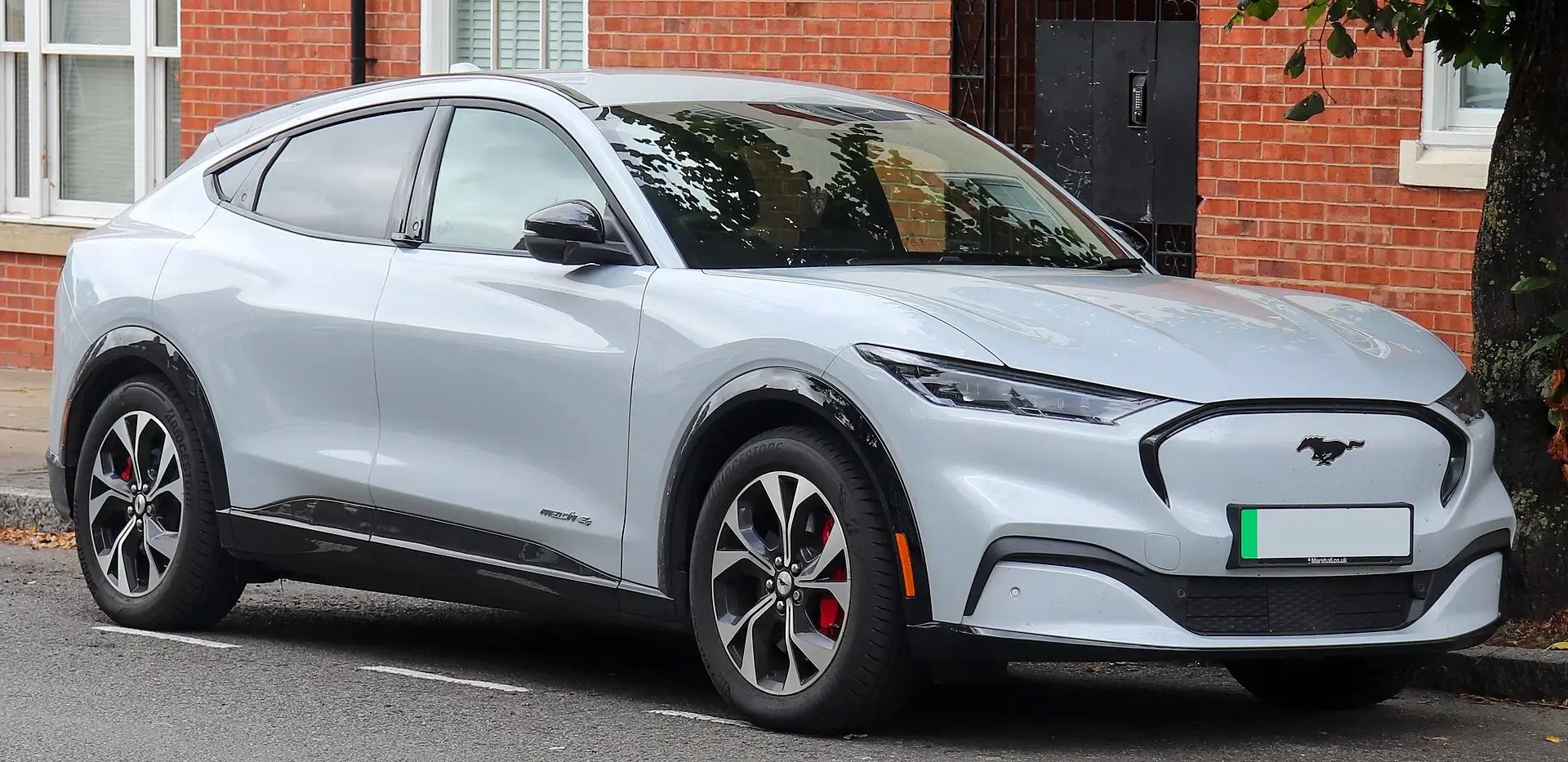
are the clearest case. For fully electric vehicles, there is no tailpipe NOx or particulate emission, so the Euro 6 combustion limits simply do not apply. The compliance question for a US-spec Mach-E shifts entirely to type approval and safety specifications rather than emissions chemistry.
Vehicles with global platform powertrains
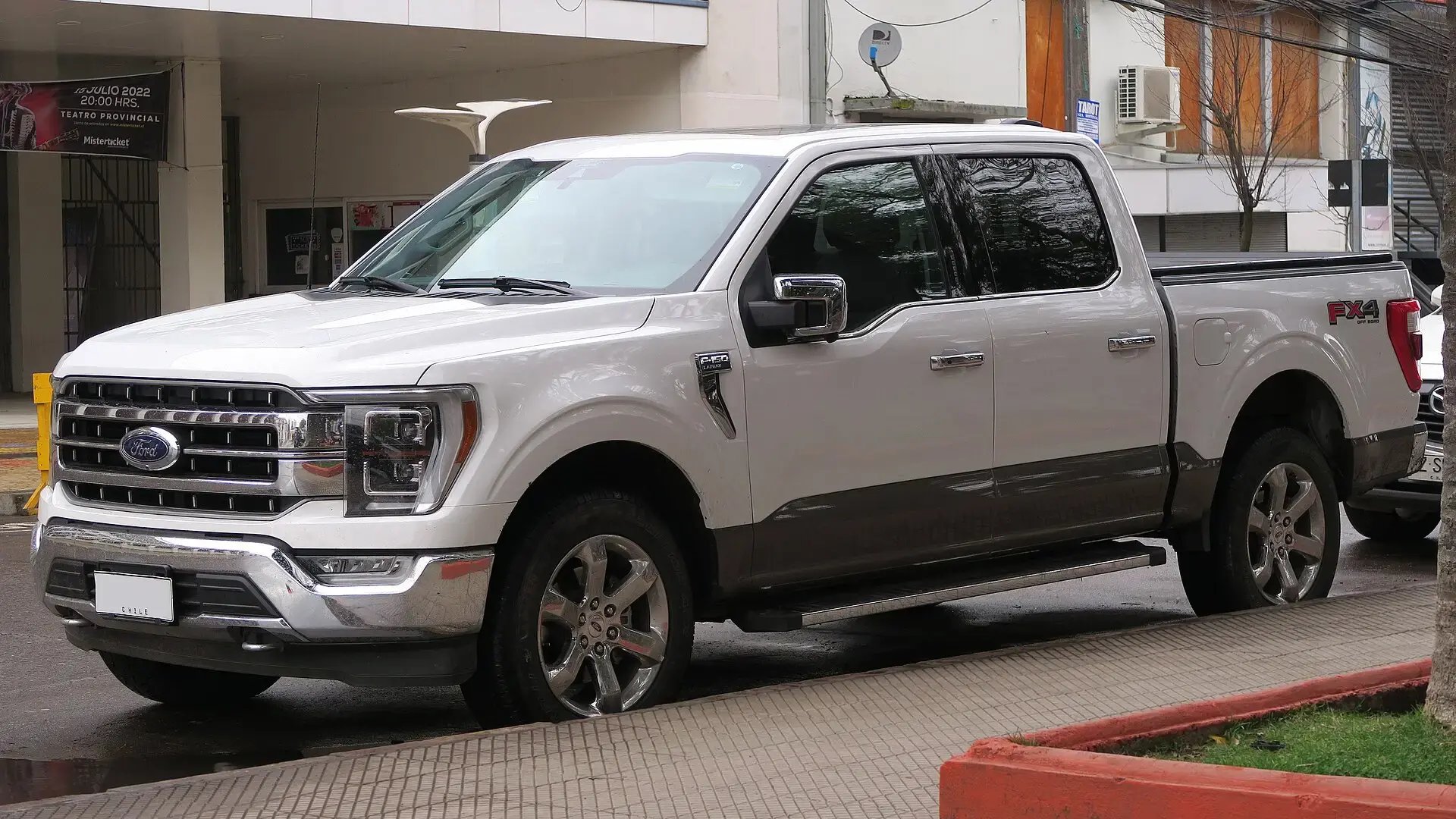
represent the next most promising category. Some variants of the Ford F-150 PowerBoost hybrid use a turbocharged V6 powertrain with hybrid assistance that keeps NOx output well within the range where Euro 6 compliance is plausible. Certain Chevrolet and GMC models using the 2.7-litre turbocharged four-cylinder engine share architecture with powertrains sold in European markets, and their emissions profiles are worth having assessed by a homologation agent before ruling them out.
Modern turbocharged four-cylinder engines
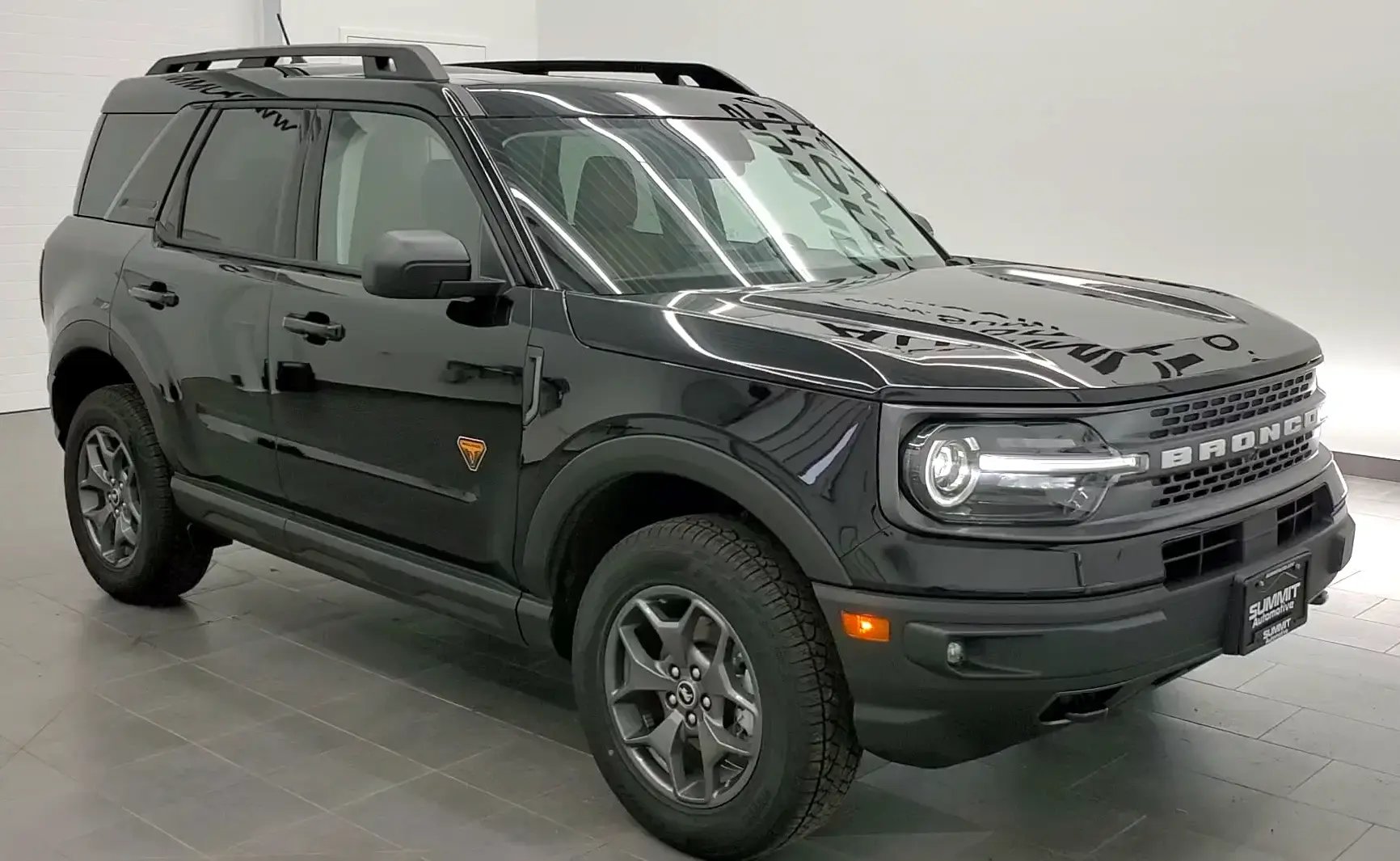
from manufacturers that operate globally tend to be engineered with Euro 6 in mind even in their US market configurations, because developing separate emissions systems for each major market is expensive. A 2022 or 2023 Ford Bronco Sport with the 1.5-litre EcoBoost engine, for example, uses a powertrain that Ford calibrates for global emissions targets. It may not automatically pass WLTP testing, but the gap, if any, is likely to be small.
Vehicles That Will Almost Certainly Require Modification
High-displacement V8 petrol engines are the category where Euro 6 compliance without modification is least likely. A 6.2-litre supercharged V8 in a Dodge Challenger Hellcat, a 5.0-litre Coyote V8 in a Mustang GT, or a 6.2-litre V8 in a Corvette C8 were all engineered primarily for US market performance and fuel economy targets, not European NOx limits. The three-way catalytic systems on these engines may reduce NOx significantly, but whether the output falls below 60 mg/km under WLTP conditions depends on the specific model year and emissions control calibration.
For many V8 muscle cars, catalytic converter replacement or upgrading to higher-performance catalytic units can bring NOx output within the Euro 6 limit. The cost of this work varies considerably depending on the engine and the specific converter specification required, and it needs to be factored into the total import cost before the purchase decision is made.
Pre-2014 American vehicles present a different kind of challenge. Euro 6 was introduced in September 2014, so any vehicle built before that date was never designed with its requirements in mind. The emissions control systems on a 2010 Chevrolet Camaro SS, for instance, may produce NOx well above the 60 mg/km threshold, and modification to bring it within compliance may require changes to the catalytic system, fuel management, and exhaust configuration simultaneously.
Diesel-powered American vehicles face the most difficult compliance path. The RDE test protocol captures real-world driving behaviour including cold starts and dynamic acceleration, precisely the conditions under which diesel engines not calibrated to European targets produce their highest NOx output. US diesel trucks and SUVs were generally not engineered to European diesel emissions targets, and the combination of RDE-assessed NOx and the Euro 6 particulate filter requirement makes bringing them into compliance technically demanding and expensive.
The Historic Vehicle Exemption: When Euro 6 Is Not the Question
For vehicles with a first registration date 30 or more years ago, meaning first registered in or before 1996 for 2026 imports, Euro 6 compliance is simply not the relevant framework. Spain's historic vehicle registration route assesses these vehicles under a completely different standard, evaluating them as period-correct examples of what they were when built rather than measuring them against modern emissions targets.
A 1969 Dodge Charger R/T with a 440 cubic-inch V8 produces NOx levels that would fail Euro 6 by a significant margin. It does not need to pass. A 1987 Chevrolet Camaro IROC-Z with a 5.7-litre TPI V8 sits in the same category. The historic vehicle framework exists precisely because applying modern emissions standards to vehicles designed decades before those standards existed would make heritage motoring impossible.
This changes the calculus for a meaningful segment of American car imports to Spain. If the vehicle you want to bring over was first registered in or before 1996, the emissions question effectively disappears from the compliance checklist. What remains is the Group B DGT historic vehicle evaluation, the ITV inspection, and the documentation requirements for original condition and provenance.
This guide on whether American classics are exempt from EU homologation covers the historic vehicle registration route in detail, including what the DGT evaluation involves and what documentation establishes eligibility.
How Homologation Agents Assess Euro 6 Compliance
When a buyer hires a Spanish homologation agent to assess a modern US-spec vehicle for registration, the Euro 6 evaluation typically involves:
-
Review of manufacturer technical data to establish whether the powertrain was designed to Euro 6 targets or a related standard
-
Emissions testing under WLTP conditions if manufacturer data is unavailable or inconclusive, conducted at an accredited testing facility
-
Assessment of catalytic system specification to determine whether existing components meet Euro 6 catalyst efficiency requirements
-
Identification of any required modifications and confirmation that post-modification testing can demonstrate compliance
The practical output of this assessment is a clear picture of whether the vehicle can be registered as-is, what modifications are needed if not, and what those modifications are likely to cost. For vehicles where the compliance path is straightforward, this process is manageable. For vehicles where the modifications required are extensive, the assessment gives the buyer the information they need to decide whether the import still makes financial sense.
One point worth making clearly: some homologation agents in Spain are more experienced with American vehicles than others. The registration of a US-spec muscle car or truck through the individual approval route is a specialist area, and the quality of advice and execution varies. Buyers who have found a shipping partner with established relationships with Spanish homologation agents are at a meaningful advantage here.
When Modification Costs Change the Import Calculation
For many buyers, the emissions compliance question ultimately becomes a financial one. A vehicle that needs a catalytic converter upgrade costing €800 to €1,500 is still a viable import in most cases. A vehicle that needs a full exhaust system redesign, reprogrammed fuel management, and post-modification WLTP testing at €5,000 to €8,000 on top of a €12,000 to €15,000 duty and IVA bill may not be, depending on the vehicle's value and the buyer's motivation.
The cases where the import makes sense despite significant modification costs tend to involve vehicles with strong personal or collector significance. A specific limited-edition Mustang that cannot be sourced in Europe, a documented low-mileage American truck in a configuration never sold in Spain, or a vehicle that has been in the family and is coming over as part of a relocation. In those situations, the compliance cost is part of the accepted price of bringing a specific car rather than an economic obstacle to a financial transaction.
For buyers approaching a US-spec vehicle import as a pure value play, the modification cost is a variable that needs to be calculated before the purchase rather than after. A homologation pre-assessment, which many Spanish agents offer as a standalone service based on the vehicle's make, model, year, and engine specification, is a sensible investment before committing to the shipping cost.
This analysis of whether modern US V8 muscle cars can pass EU emissions standards goes deeper on the specific compliance picture for current-generation American performance engines, including what modifications are typically required and what the cost range looks like for the most commonly imported models.
Euro 6 and the Full Spain Import Decision
Euro 6 compliance is one filter among several in the Spain import process. It sits alongside homologation type approval, IVA and duty costs, and the registration timeline in a sequence that needs to be assessed as a whole rather than in isolation.
A vehicle that passes Euro 6 without modification but requires extensive lighting and speedometer compliance work may not be significantly faster or cheaper to register than one that needs a catalytic upgrade. The total cost and timeline picture across all compliance requirements, not just emissions, is what determines whether a specific import makes sense.
For a complete view of how Euro 6 sits within the broader Spain import framework, alongside the commercial dealer export process and the EV import picture, the main Spain car import guide for 2026 covers all three in one place.
Shipping Your American Car to Spain
Once the emissions compliance picture is clear and the import decision is made, West Coast Shipping handles container shipping from US ports to Valencia with regular departure schedules and full export documentation support.
Container shipping is the recommended method for American cars heading to Spain. Vehicles travel fully enclosed, protected from weather and port handling activity throughout the voyage. West Coast Shipping operates private warehouse facilities in California, Florida, and New Jersey, allowing vehicles to be collected from inland locations and consolidated for departure without the owner needing to deliver directly to the port.
Approximate ocean freight estimates for US to Spain shipments:
| Origin | Destination | Estimated Cost | Transit Time |
|---|---|---|---|
| New York | Valencia | ~$1,150 | ~24 to 30 days |
| Florida | Valencia | ~$2,575 | ~22 days |
| California | Valencia | ~$2,950 | ~30 days |
These are approximate estimates and should not be considered final prices. Actual costs vary depending on vehicle dimensions, container type, and market conditions. For an accurate quote, use our shipping calculator or contact our team directly.
Note: Freight costs and transit times are subject to change based on carrier schedules and market conditions.
For a full breakdown of how costs differ by port of arrival and what the landed cost structure looks like across different vehicle and route combinations, this port cost breakdown guide covers the numbers in detail.
For current container service availability and shipping options from the US to Spain, the WCS Spain shipping page is the right starting point.
Ready to Ship Your American Car to Spain?
Whether your vehicle passes Euro 6 without modification or you are working through what compliance involves, use our shipping calculator to get a freight quote based on your car, US origin location, and Valencia destination. West Coast Shipping's team can advise on container options, export documentation, and how to time the shipment around your homologation and registration process in Spain.


Why Shipping Cars to the Middle East May Increase
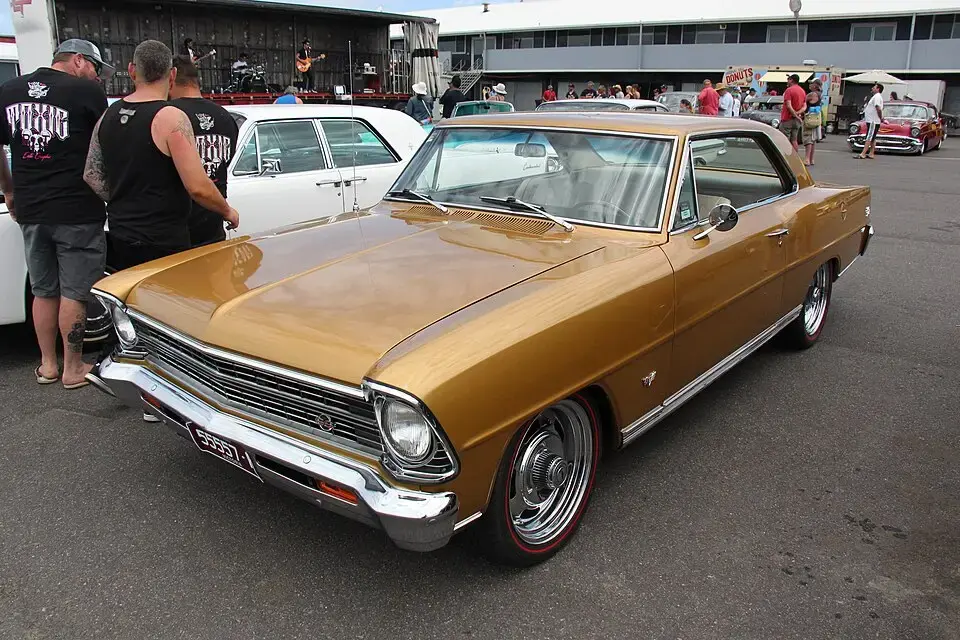
Shipping Classic Chevy Muscle Overseas: What EU Collectors Want