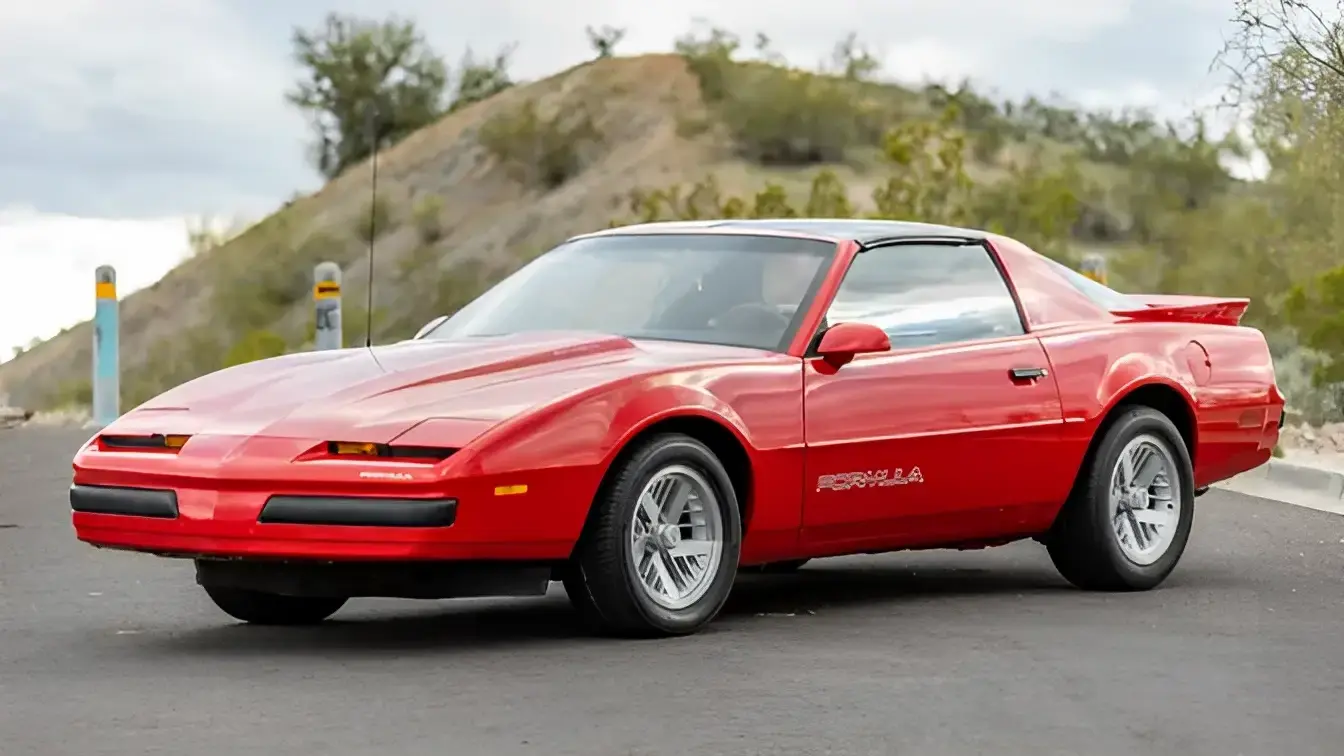

For many European buyers, the late‑1990s Ford Mustang and Chevrolet Camaro are the most realistic way to experience American muscle without stepping back to a 1960s restoration project. Both are now moving into age brackets where import frameworks become more flexible, and both feature heavily in West Coast Shipping’s data on 1990s American muscle imports.
In the main feature on EU tariffs, 90s muscle and hidden heroes, WCS looked at tariffs, export markets, and underrated 90s cars. This article narrows the focus to a practical question: if you are in Europe and want a late‑90s muscle car, does a Camaro or a Mustang make more sense to ship?
Compliance and Age Rules: Where Camaros and Mustangs Align
From a regulatory standpoint, late‑90s Camaros and Mustangs look surprisingly similar:
-
Clear build‑date verification. Both families have well‑documented VIN structures and strong enthusiast support, which makes it easier to confirm exact build dates—critical when navigating age‑based rules like the 25‑year framework explained in WCS’s US 25‑year import law guide.
-
30‑year “classic” thresholds. In many European markets, 30 years from the date of manufacture is an important cutoff for historic‑vehicle treatment, sometimes bringing reduced duties or simplified testing. Late‑90s cars are now approaching or entering that range, a trend covered in articles on classic car import trends into 2026 and Germany’s 30‑year rule.
-
Similar basic classification. Both are petrol‑powered, rear‑wheel‑drive coupes of similar size and output, which means destination countries often slot them into the same emissions, safety, and tax categories.
Because of this alignment, there is rarely a case where a destination country allows late‑90s Mustangs but blocks similar‑age Camaros, or vice versa. The finer differences tend to come from documentation quality and individual modifications rather than the badge itself.
Parts, Service, and Everyday Ownership in Europe
Where the rivalry becomes more practical is in parts and service once the car has landed:
-
Mustang: the default export favorite. WCS export data and content like Most popular American classic muscle cars overseas show that the Mustang has long been the most common American muscle car found in Europe. That popularity translates into:
-
More local specialists familiar with Mustang platforms.
-
Larger owner communities and club networks.
-
Better odds of finding common service parts in‑country or within the EU.
-
-
Camaro: rarer, but well‑supported. The Camaro also features prominently in overseas demand, particularly in Germany, Scandinavia, and Japan. As WCS notes in the Mustang vs Camaro rivalry overview, GM’s F‑body cars have loyal global followings. For European owners, that means:
-
A slightly smaller but focused network of GM specialists.
-
Dependence on U.S. suppliers for some trim and interior parts.
-
A car that is more likely to be one‑of‑a‑kind at local shows.
-
If your priority is maximum convenience and local knowledge, the Mustang often has a slight edge. If you value relative rarity and do not mind sourcing more parts from abroad, the Camaro can feel more distinctive.
Driving and Use Case: GT Cruiser or Street Hero?
Both late‑90s Camaros and Mustangs fit comfortably into the “usable classic” category, but they appeal to slightly different usage profiles:
-
Mustang strengths. Many late‑90s Mustangs balance performance with everyday usability:
-
Comfortable seating and good visibility for longer trips.
-
Strong aftermarket support for suspension and brake upgrades tailored to European roads.
-
A brand image that is instantly recognized even by non‑enthusiasts, which matters if you plan to use the car for events, weddings, or promotional work.
-
-
Camaro strengths. Camaros from this era lean a bit more toward the “street hero” persona:
-
Lower roofline and more dramatic styling that feels pure 1990s.
-
A cabin and driving position that emphasize a cockpit‑like feel.
-
Strong appeal among enthusiasts who grew up with 1990s games, movies, and motorsport featuring F‑body cars.
-
From a shipping perspective, none of this dramatically changes logistics—but from an ownership perspective, thinking about how you will actually use the car in Europe can make one option clearly better for your lifestyle.
Shipping Logistics: How They Compare on the Water
Once you decide between a Camaro and Mustang, the shipping process follows similar steps for both:
-
Collection and inland transport. WCS can collect either car from a private seller, dealer, or auction in the U.S., then move it to one of its coastal loading facilities. The process is outlined in the international car shipping services checklist.
-
Container vs RoRo. Late‑90s muscle cars typically travel in:
-
Late-90s muscle cars are best shipped in containers, which provide enclosed protection from weather, port handling exposure, and transit risks. Container shipping is ideal for most vehicles — including cars and motorcycles — and also allows you to load spare parts or accessories securely inside the same unit.
-
Roll-on/roll-off (RoRo) shipping, by contrast, is primarily designed for oversized vehicles and heavy machinery that cannot fit into a standard container. While RoRo is sometimes available on specific routes, it is generally not the preferred option for standard passenger cars, especially performance or collector models where added protection is a priority.
-
-
Transit times and routes. As explained on the international car shipping page, transit times from U.S. East Coast ports to major European ports often run a few weeks on the water, plus handling and customs on each side. West Coast departures or more complex routes can take longer.
Because Camaros and Mustangs are similar in size and ground clearance, there is no significant logistical advantage for one over the other. The main factors that influence cost and convenience are origin location, chosen method, and whether you are shipping multiple vehicles or a single car.
Documentation and “Import-Legal” Status
For both models, being “import‑legal” in Europe depends much more on paperwork and configuration than on brand:
-
Build date and age. Late‑90s examples are now approaching or reaching 30‑year thresholds in many countries. Confirming the exact build date, not just the model year, is essential when you are trying to qualify for historic‑vehicle treatment or exemptions highlighted in WCS’s 1990s classic import guide.
-
Originality and modifications. Some countries are stricter about emissions and noise for younger cars; heavily modified exhausts, non‑standard lighting, or missing catalytic converters can complicate registration.
-
Supporting documents. A clear U.S. title, accurate bill of sale, and any available service or build records make customs and registration easier regardless of whether the badge says Ford or Chevrolet.
For high‑spec or rare variants—like special‑edition Z28s or SVT Cobras—the advice in WCS’s piece on why numbers‑matching documentation matters applies equally to both families.
Cost and Market Demand Considerations
While this article does not provide specific pricing or value forecasts, it is worth understanding how demand patterns shape your decision:
-
Mustangs: broader mainstream appeal. In many European markets, the Mustang is the default mental image of an American muscle car. That can make them easier to resell or trade within local enthusiast networks, a trend observed in WCS’s global muscle car market overview.
-
Camaros: targeted enthusiast demand. Camaros often appeal to a narrower but very committed audience, especially in markets where GM performance has a strong following. They can be particularly attractive in countries highlighted in WCS’s muscle‑car export market guide, where American performance culture is mature.
If you are thinking about long‑term collectability and liquidity, the main article on EU tariffs, 90s muscle, Camaro vs Mustang and hidden heroes offers a broader context for where these cars sit among 1990s performance options.
How to Decide: A Simple Framework for European Buyers
When WCS speaks with European clients trying to choose between a late‑90s Camaro and Mustang, a few questions help clarify the best fit:
-
Where will you drive it most?
-
Lots of city use and casual events: a Mustang’s visibility and familiarity can be a plus.
-
More enthusiast meets and highway touring: a Camaro’s character and styling may appeal more.
-
-
How comfortable are you with U.S.‑based parts sourcing?
-
If you prefer local parts and shops, the Mustang usually has an edge.
-
If you enjoy online sourcing and working with specialist GM suppliers, the Camaro is no problem.
-
-
What matters more: ease of ownership or uniqueness?
-
For ease, lean Mustang.
-
For uniqueness, lean Camaro.
-
Either way, the practical shipping steps, age considerations, and documentation requirements are essentially the same.
Disclosure and disclaimer (February 2026)
This article is provided by West Coast Shipping (WCS) for general informational and promotional purposes only. Vehicle examples, historical context, and references to tariffs, age‑based import rules, or market demand are based on third‑party sources, industry reporting, and enthusiast research, which may differ between publications and may be updated or corrected over time. Any discussion of import regulations, duties, VAT, or compliance frameworks is general in nature and does not describe the full set of requirements for any specific country or vehicle.
Trade policies, import regulations, tax rules, and compliance standards vary by jurisdiction and are subject to change without notice. Nothing in this article should be interpreted as legal, regulatory, customs, tax, financial, or investment advice. Eligibility for import, and any duty or tax treatment, always depends on the specific vehicle’s build date, configuration, documentation, and the rules in force at the time of import in the relevant jurisdiction.
Always verify a vehicle’s exact build date and technical specification with the manufacturer, official records, or marque specialists. Before making purchasing or import decisions, consult the relevant customs or tax authorities, review current regulations from official government sources, and consider working with qualified import professionals in your jurisdiction. Classic and collector car markets are volatile; values and demand can change quickly. As of February 2026, all information in this article should be treated as indicative, subject to independent verification, and not a substitute for professional advice.
Ready to Ship Your Late-90s Camaro or Mustang to Europe?
Whether you decide a late‑90s Mustang fits your lifestyle or a 4th‑gen Camaro better matches your vision of 1990s muscle, the key is pairing the right car with a solid logistics plan. The main WCS guide to EU tariffs, 90s muscle, and hidden heroes offers more context on markets and models, while the international car shipping page lets you compare routes, methods, and timing. Once you have confirmed regulations in your destination country, you can focus on choosing the car that excites you most while West Coast Shipping manages the journey from U.S. seller to your European garage.


EU Tariffs, 90s Muscle & Shipping: Camaro vs Mustang & Hidden Heroes
.webp)
EU 0% Tariff on US Cars? What 90s Muscle Buyers Must Verify