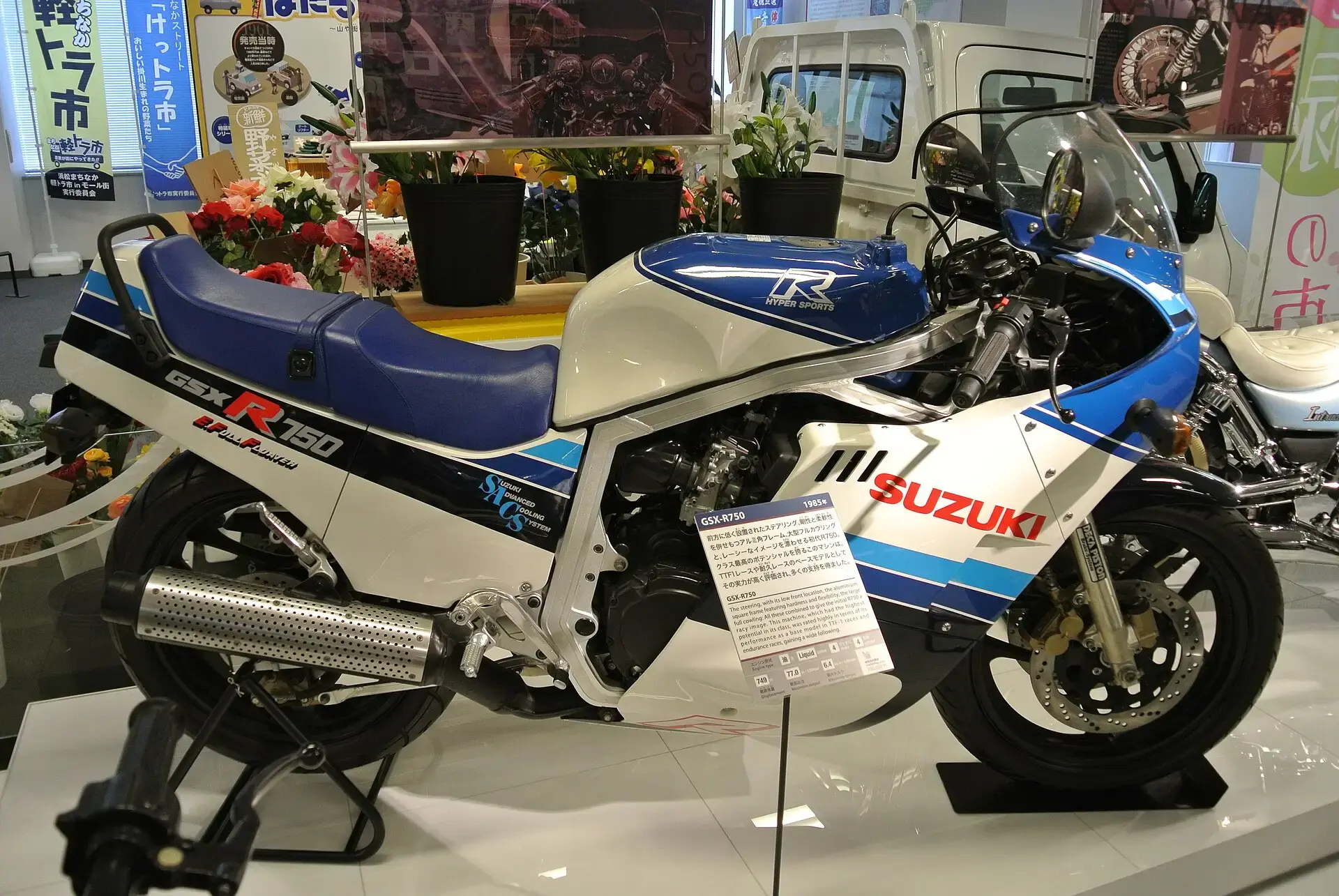

Japanese motorcycles from the 1960s through the early 2000s have become a core part of the global collector landscape. Certain Hondas, Kawasakis, Yamahas, and Suzukis that once served as everyday transport now show up in auction catalogs, specialist showrooms, and cross‑border shipping plans as enthusiast “must have” machines. Understanding which models commonly attract attention helps buyers structure their searches, due diligence, and logistics more effectively.
This article expands on the model‑focused section of the main guide on vintage Japanese motorcycles, the 25‑year rule, and US–Japan shipping. It highlights five widely discussed categories of vintage Japanese motorcycles and explains how West Coast Shipping supports the safe movement of these bikes between the United States, Japan, Europe, and other markets.
Important Disclaimer and Information Limits (February 2026)
This article is provided by West Coast Shipping for general informational and promotional purposes only. It is not customs, tax, legal, regulatory, financial, or investment advice, and it does not describe the full set of requirements for any specific vehicle, jurisdiction, or import/export scenario.
Before acting on any ideas in this article, please understand:
-
Regulations and practices can change without notice
Vehicle import and export rules, environmental and safety requirements, and customs procedures in the United States, Japan, Europe, and other countries are subject to updates. Implementation may vary by port, agency, and individual case. Any mentions of “25‑year rule,” “classic frameworks,” “tariff advantages,” or similar concepts are general descriptions of how enthusiasts commonly talk about certain approaches, not guarantees of eligibility or outcome.
-
No guarantee of eligibility, exemptions, or duty treatment
References to age‑based concepts (such as vehicles “over 25 years”) are descriptive only. Whether a specific motorcycle can enter a country under any particular exemption, duty rate, or classification depends on current law, detailed facts about the bike, and how authorities apply those rules in practice. Nothing in this article guarantees reduced or zero tariffs, simplified procedures, or any specific customs treatment.
-
Professional consultation is mandatory for real imports/exports
-
Always confirm current requirements directly with US Customs and Border Protection (CBP), the Environmental Protection Agency (EPA), the Department of Transportation (DOT), and relevant authorities in Japan or any other destination country.
-
Always consult a licensed customs broker, legal professional, or import/export compliance specialist before purchasing a motorcycle abroad or booking shipping.
-
Obtain written guidance on how regulations apply to your specific motorcycle, origin, and destination.
-
-
Collectible markets are volatile and unpredictable
Any references to “collectible,” “sought after,” “value trends,” “auction results,” or similar concepts are general and descriptive. Market conditions can change quickly. Past auction outcomes or price ranges do not guarantee any future value, saleability, or rate of return. Nothing in this article should be interpreted as an investment recommendation or as a prediction of future appreciation.
-
Technical and historical claims require specialist verification
Model years, specifications, production numbers, and historical significance can vary by market, trim level, and source. Always verify technical and historical information with marque experts, factory literature, or trusted specialists before making purchase or restoration decisions.
-
West Coast Shipping’s role is limited to logistics
West Coast Shipping focuses on logistics—pickup, export, ocean transport, and delivery—not on interpreting or applying import or export laws, providing tax advice, or advising on investment decisions. You remain solely responsible for your own due diligence, compliance, and professional advice.
1. Honda CB750: The Original “Universal” Superbike
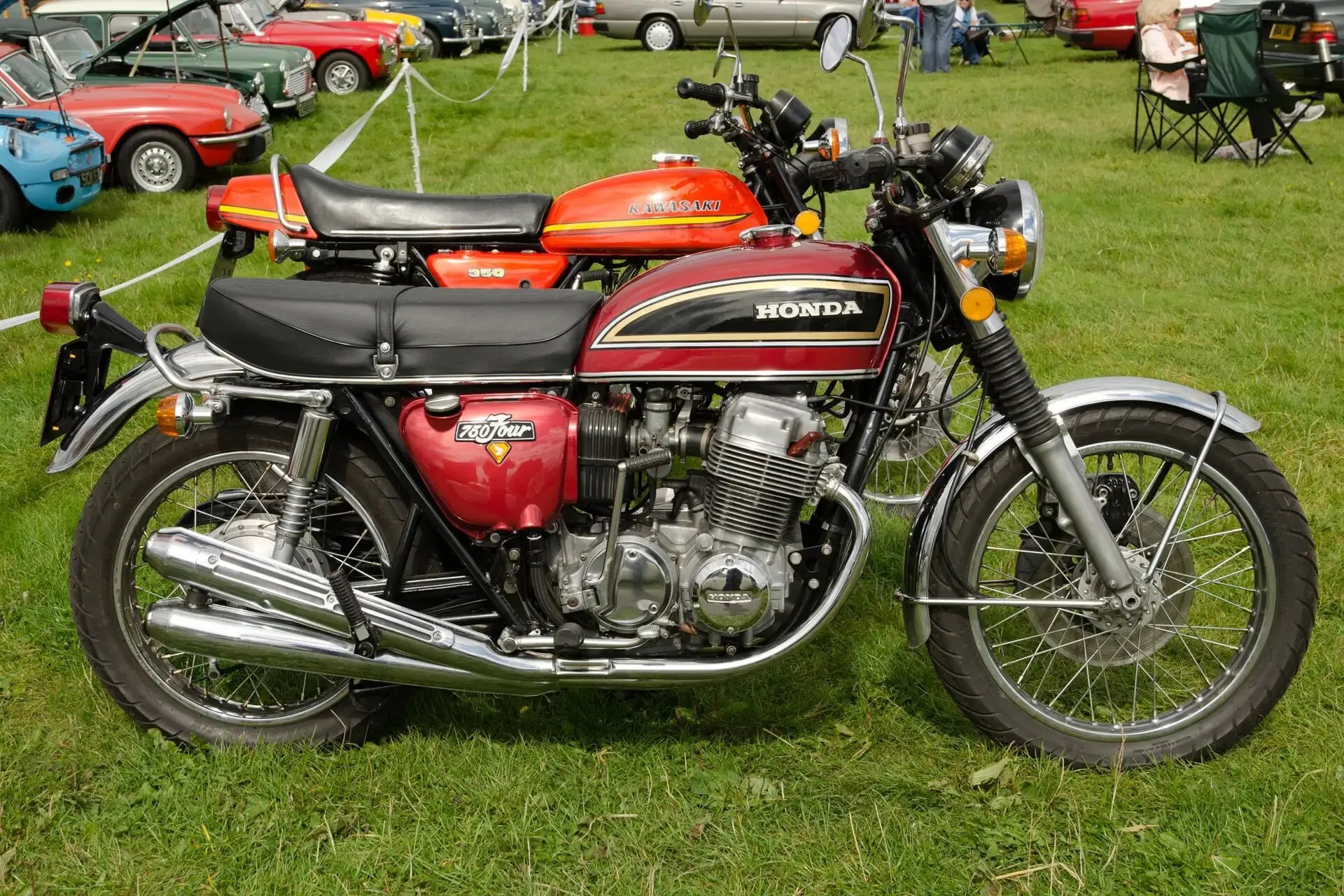
Among enthusiasts and commentators, the early Honda CB750 is frequently described as a key turning point in modern motorcycling. Its inline‑four engine, front disc brake, and everyday usability showed riders that high performance and reliability could coexist in a mass‑production package.
Why Enthusiasts Seek the CB750
The CB750’s appeal today is largely rooted in how it changed expectations for big‑bore street motorcycles. Many riders view it as:
-
Historically significant
Early “K0” models, especially the so‑called “sandcast” versions with low production totals, are commonly highlighted by collectors and auction houses as particularly noteworthy. These references are general: exact production numbers and authenticity should always be confirmed with marque experts.
-
Restoration‑friendly
Compared with many period competitors, the CB750 platform benefits from strong parts support and a large global community. This makes sympathetic restoration and long‑term maintenance more practical than on some rarer, more obscure models.
-
Flexible in price and condition
Commentators often point out that the CB750 family spans a wide range—from high‑end restorations of early bikes to rider‑grade later models—so buyers can prioritize originality, usability, or budget according to their goals. None of this guarantees appreciation or ease of resale, and any acquisition should be treated as an enthusiast decision first.
For readers evaluating age‑eligible motorcycles for international moves, the broader context around regulations and logistics is outlined in the pillar article on vintage Japanese motorcycles and the 25‑year rule. Always confirm your specific CB750’s status with a customs broker before committing to a purchase.
2. Kawasaki Z1 and Early Z‑Series: Big‑Bore Performance Icons
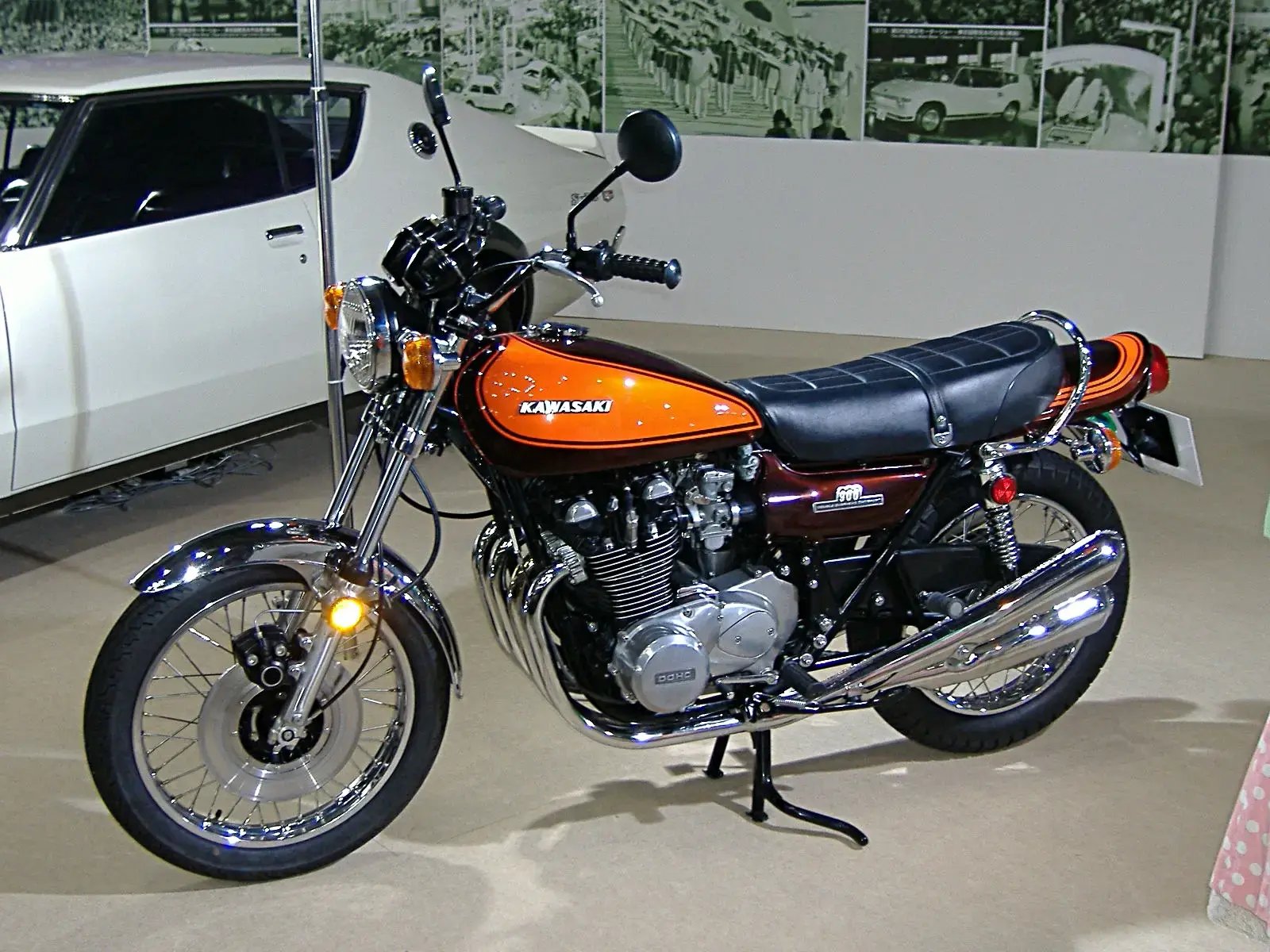
The Kawasaki Z1 900 and early Z‑series models are widely recognized in enthusiast circles as major players in the 1970s superbike story. When they appeared, many riders viewed them as a more aggressive, higher‑performance alternative to contemporary Hondas and European machines.
Key Appeal Points for the Z1
Among collectors and riders, the Z1 typically stands out for:
-
Strong performance reputation
Period road tests and racing anecdotes often cite the Z1 as one of the fastest production bikes of its time. Those impressions continue to shape how today’s enthusiasts view the model’s character, even though individual bikes may perform differently depending on condition and modifications.
-
Distinctive styling and sound
The combination of bold paint schemes, muscular tank and side cover shapes, and the four‑cylinder exhaust note gives the Z1 a personality that remains attractive to many riders.
-
Established but evolving market interest
Various auction reports and dealer listings show that well‑documented Z1s, especially early examples with original components, can attract strong bidding. However, prices can also soften, plateau, or diverge between markets. Market behavior is inherently uncertain; no specific value level or trajectory is guaranteed.
Collectors considering cross‑border Z1 purchases should build in extra time and budget for verification—checking frame and engine numbers, researching model‑year differences, and confirming import options with a broker—before arranging transport with a logistics partner.
3. Yamaha RD Two‑Stroke Twins: Lightweight “Giant Killers”
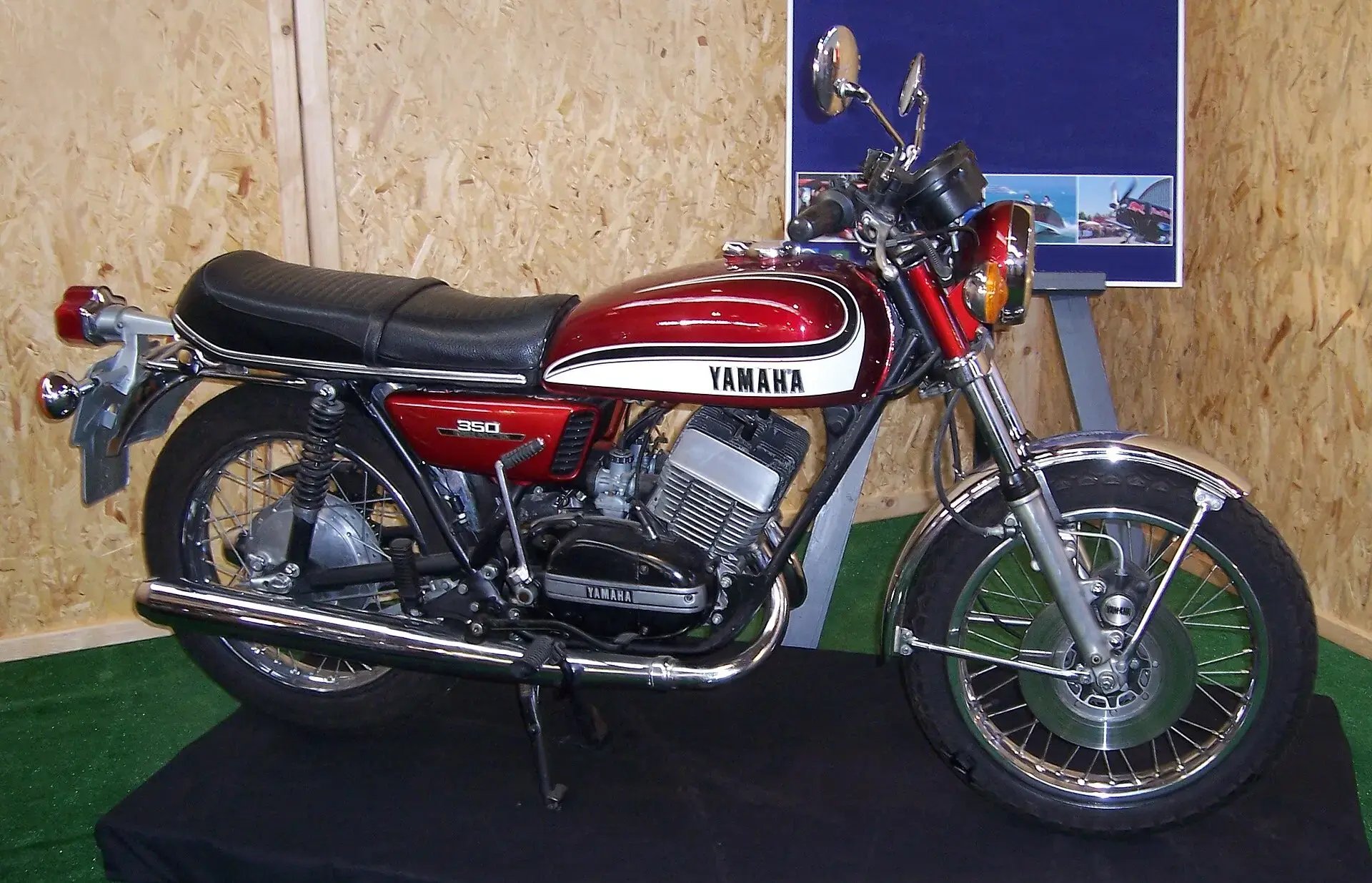
The Yamaha RD series (including RD250, RD350, and RD400 variants) is often cited as one of the most accessible ways to experience the classic two‑stroke era. Lightweight chassis, lively power delivery, and a distinctive exhaust note have helped these bikes maintain a loyal international following.
Why RD‑Series Bikes Stay on Shortlists
Enthusiasts commonly highlight several themes:
-
Unique riding experience
The abrupt, high‑rev powerband of a two‑stroke twin offers a very different feel compared to modern four‑strokes. For many riders, that character—combined with the sound and smell of premix—is precisely what they seek in a vintage machine.
-
Racing and track‑day heritage
Many RD‑series bikes were raced or used for track days, which adds to their aura but also means that potential buyers must take extra care with frame alignment, engine condition, and the quality of any modifications.
-
Variation across markets
Different markets received different specifications and color schemes. Japanese‑market and European‑market versions sometimes feature details not seen on US imports, which can motivate cross‑border searches when domestic supply is thin.
Because so many RDs have been tuned, raced, or modified, it is particularly important to involve a marque specialist or experienced two‑stroke mechanic when evaluating a candidate bike. Photos alone may not reveal cylinder wear, crankshaft condition, or structural issues that could significantly affect both safety and cost.
4. Homologation Superbikes and Limited‑Production Race‑Replicas
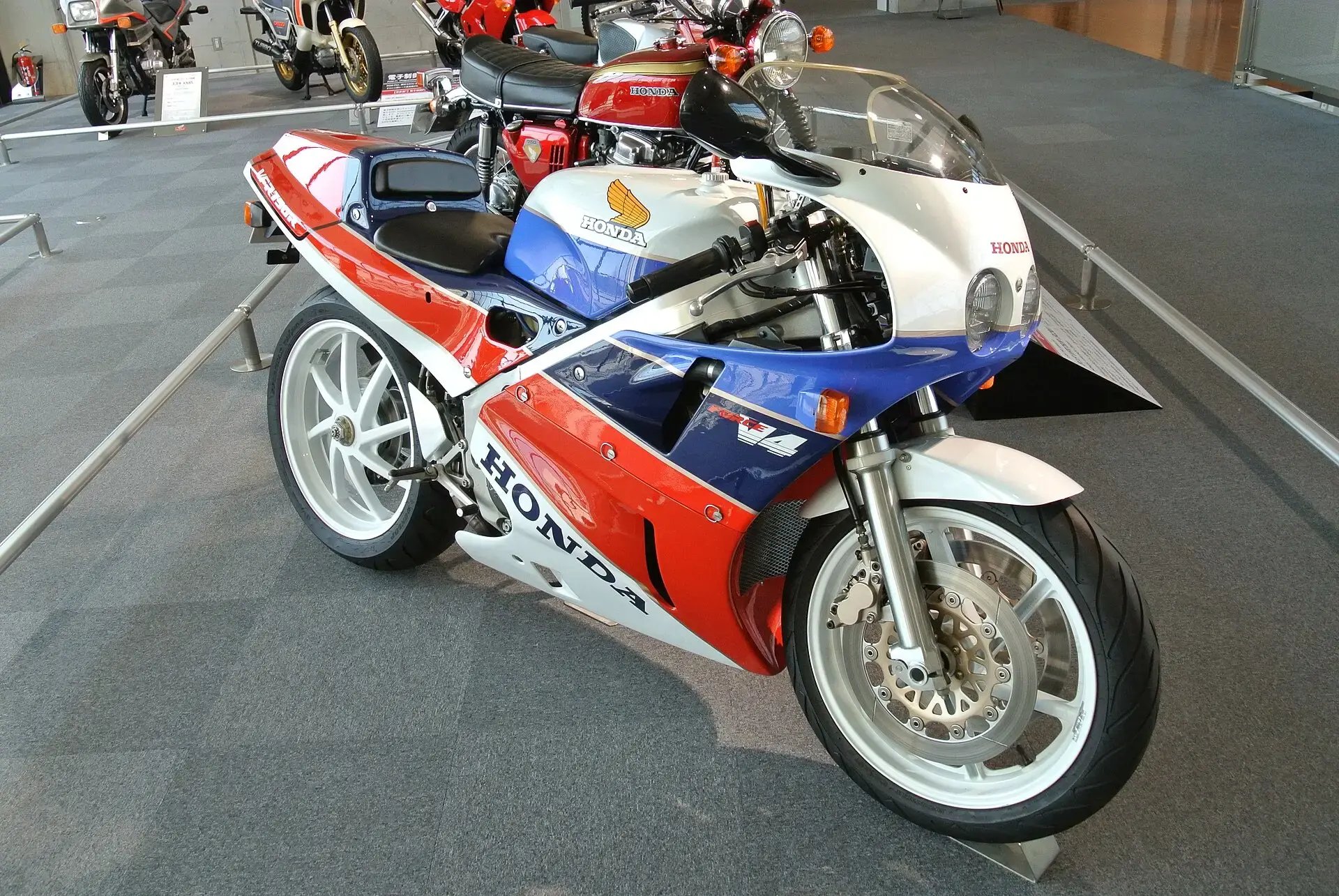
Homologation‑type Japanese superbikes from the late 1980s and 1990s—such as the Honda RC30 (VFR750R), RC45 (RVF750R), and certain limited Kawasaki, Suzuki, and Yamaha variants—are frequently characterized by enthusiasts as some of the most desirable Japanese motorcycles of their era. These models were created in small numbers to satisfy race‑series production requirements, and they often carry components derived directly from factory racing programs.
Why These Models Are Treated as “Halo” Machines
Commonly cited reasons include:
-
Low production volumes
Many homologation models were built in very limited numbers. Publicly available estimates and period documentation suggest that production for some variants may have been in the low thousands globally—or even lower for certain markets. Exact figures should be verified through marque registries and expert sources for any specific bike.
-
Motorsport connections
World Superbike, national championship, and endurance racing histories are regularly mentioned in articles and auction catalogs about these bikes. While such associations can influence desirability, they do not guarantee any particular market outcome and must always be weighed against condition, originality, and documentation.
-
Advanced engineering for their time
Gear‑driven cams, lightweight materials, race‑inspired chassis geometries, and premium brakes or suspension are frequently cited as differentiators versus more mainstream models of the same era.
Because of their perceived status and often high asking prices, homologation superbikes demand especially rigorous verification: provenance research, expert inspection, correct‑parts checks, and clear paperwork. This is crucial even before discussing international movement with a logistics provider.
5. Classic Dual‑Sports and Early Adventure‑Style Motorcycles
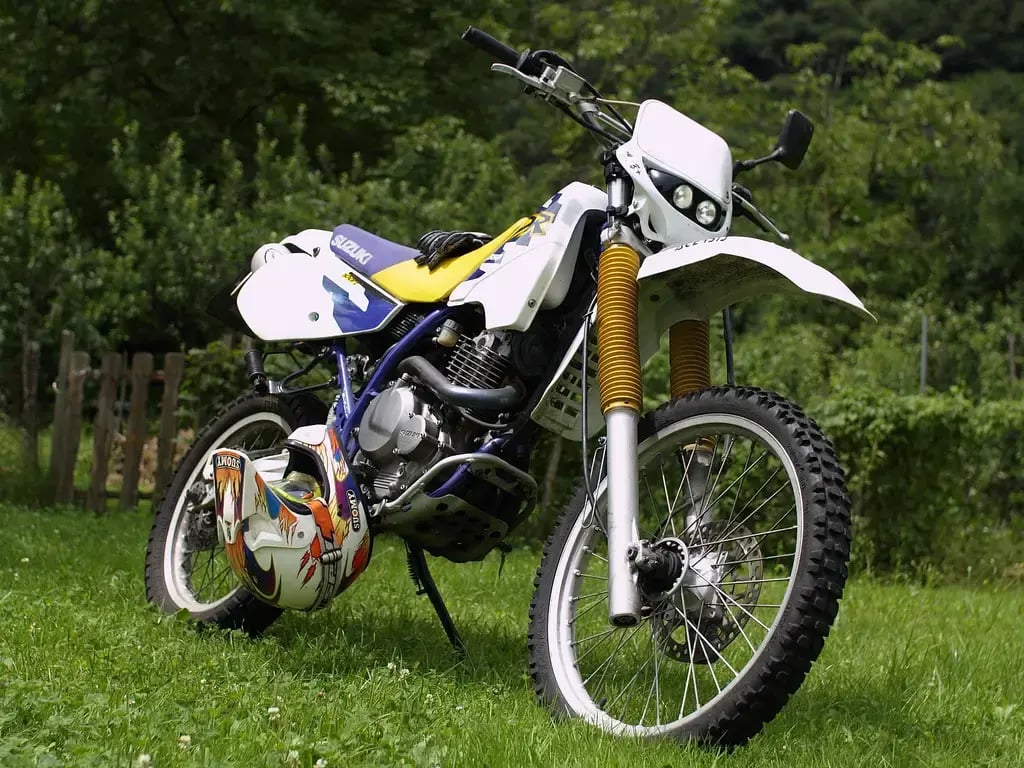
Alongside pure road and race‑oriented bikes, older Japanese dual‑sport and early adventure motorcycles have quietly gained traction among riders who value practicality and versatility. Various Yamaha XT, Honda XR, and Suzuki DR models, among others, are often viewed as rugged, simple platforms that can still be used extensively today.
Why Many Riders See Them as “Practical Classics”
Common themes in enthusiast discussions include:
-
Rugged construction and simple mechanics
Air‑cooled single‑cylinder engines, basic electrics, and long‑travel suspension make many classic dual‑sports relatively straightforward to maintain, especially in areas where off‑road riding is popular.
-
Real‑world usability
Owners frequently highlight the ability to ride these bikes on dirt roads, trails, and secondary pavement, making them more than just garage showpieces. For some riders, this usability matters more than cosmetic perfection.
-
Nostalgia and local conditions
In markets like Australia, New Zealand, and parts of North America, older dual‑sports are associated with back‑country travel and formative riding experiences. That nostalgia, combined with terrain that still rewards lightweight, durable machinery, helps sustain demand.
As with road‑based classics, dual‑sports require careful title and registration checks—especially where off‑road‑only designations or prior modifications could complicate legal road use in a new jurisdiction. A licensed broker or local registration specialist should always be consulted before committing to international shipment.
Important Notes on Regulations, Age‑Based Frameworks, and Tariffs
Age‑related concepts such as “25‑year rule,” “classic frameworks,” or “age‑exempt machines” appear frequently in enthusiast discussions about both cars and motorcycles. In practice:
-
Different countries apply different age thresholds, exemptions, and tariff structures.
-
The same age‑related term can be used informally to describe multiple legal pathways.
-
Changes in trade agreements, tariffs, and safety or emissions rules can alter the landscape with little notice.
Any references in this article to age‑based import ideas are high‑level and illustrative only. They are not statements of law or assurances that a specific motorcycle will qualify for any exemption, code, or duty treatment. Always:
-
Verify current rules directly with customs authorities or through a licensed customs broker.
-
Confirm which forms, codes, and declarations would apply to your exact motorcycle, origin, and destination.
-
Obtain written confirmation for your records before committing to a purchase or booking shipping.
For broader context around how age‑based concepts are discussed in the WCS ecosystem, see articles such as Vintage Motorcycle Loophole: Global 30+ Year Exemptions for Tariff Relief and USA’s 25‑Year Rule: Vintage Motorcycle Import Boom in 2025. These pieces are general guides only and do not replace professional advice.
Buying Considerations (Not Financial Advice)
Because collectible motorcycles involve both passion and money, it is easy for market commentary to sound like investment advice. This article does not recommend buying or selling any particular motorcycle, nor does it predict future prices.
Instead, consider the following as general, non‑exhaustive questions to discuss with your own advisors:
-
Authenticity and condition
-
Have frame and engine numbers been checked against credible references?
-
Has an independent specialist inspected the bike for structural issues, corrosion, and non‑period modifications?
-
-
Documentation and history
-
Is there clear proof of ownership and a transparent chain of title?
-
Are significant restorations, racing history, or replacements documented in writing?
-
-
Regulatory and logistical fit
-
Have you discussed the motorcycle with a customs broker to understand potential paths into your destination country?
-
Have you considered how state or local registration rules might treat a non‑US‑market or heavily modified bike?
-
-
Total cost and risk tolerance
-
Have you budgeted for recommissioning, parts, labor, and potential surprises after shipping?
-
Would a substantial change in market prices affect your enjoyment or long‑term plans for the bike?
-
Treat any purchase primarily as an enthusiast decision. If investment potential is a factor, seek independent financial guidance and never rely solely on anecdotal reports, auction headlines, or social media sentiment.
How West Coast Shipping Supports Vintage Japanese Motorcycle Moves
West Coast Shipping’s role is to make the logistics of moving vintage motorcycles as predictable and transparent as possible, while you and your professional advisors handle regulatory, legal, and financial decisions.
Key logistics capabilities relevant to vintage Japanese motorcycles include:
-
Japan–US and US–Japan movements
Regular shared container services between US ports (including California) and Japanese ports such as Yokohama allow multiple motorcycles and vehicles to travel together. For larger collections or dealer shipments, dedicated containers can be arranged for more control over layout and timing. Details on routes and services are outlined on the motorcycle shipping page page.
-
Other international destinations
West Coast Shipping handles shipments to and from Europe, Australia, and many other markets, including motorcycle projects that tie into events, auctions, or show calendars. The article on Vintage Motorcycle Shipping to Europe: Shows, Returns & 25‑Year Picks offers a high‑level look at how outbound and return legs can be structured.
-
Secure handling and consolidation
Vintage motorcycles are typically shipped in containers, either crated or secured using motorcycle stands and tie‑down systems. WCS coordinates with crating providers and uses dedicated loading facilities in California, New Jersey, and Florida to consolidate vehicles and parts for ocean transport.
-
Export documentation and coordination
WCS prepares export and shipping documents based on information you and your broker provide, coordinates with your chosen customs broker on timing and document transfer, and can share condition and loading photos upon request. Customs classification, import duty calculation, and regulatory compliance remain the responsibility of your broker and advisors.
For a broader overview of methods and timelines, see the motorcycle shipping page page; the container and consolidation concepts there apply to motorcycles as well as cars.
Get a Shipping Quote for Your Vintage Japanese Motorcycle
If you are considering moving a Honda CB750, Kawasaki Z1, Yamaha RD, homologation superbike, or classic dual‑sport between the US, Japan, Europe, or another market, a clear logistics estimate is an essential part of your planning.
You can:
- Use West Coast Shipping’s Motorcycle shipping page (also used for motorcycles) to obtain indicative rates for your specific route and shipping method.
- Share those indicative figures with your customs broker, legal counsel, and financial advisors to build a complete, compliant plan for your purchase or sale.
- Visit West Coast Shipping to discuss how consolidation options, departure ports, and destination handling can be tailored to your vintage Japanese motorcycle project.
Nothing in this article guarantees that any specific motorcycle can be imported, exported, registered, or sold at any particular price. With the right professional guidance and a clear logistics partner, however, enthusiasts can approach cross‑border vintage motorcycle projects in a more informed and structured way.

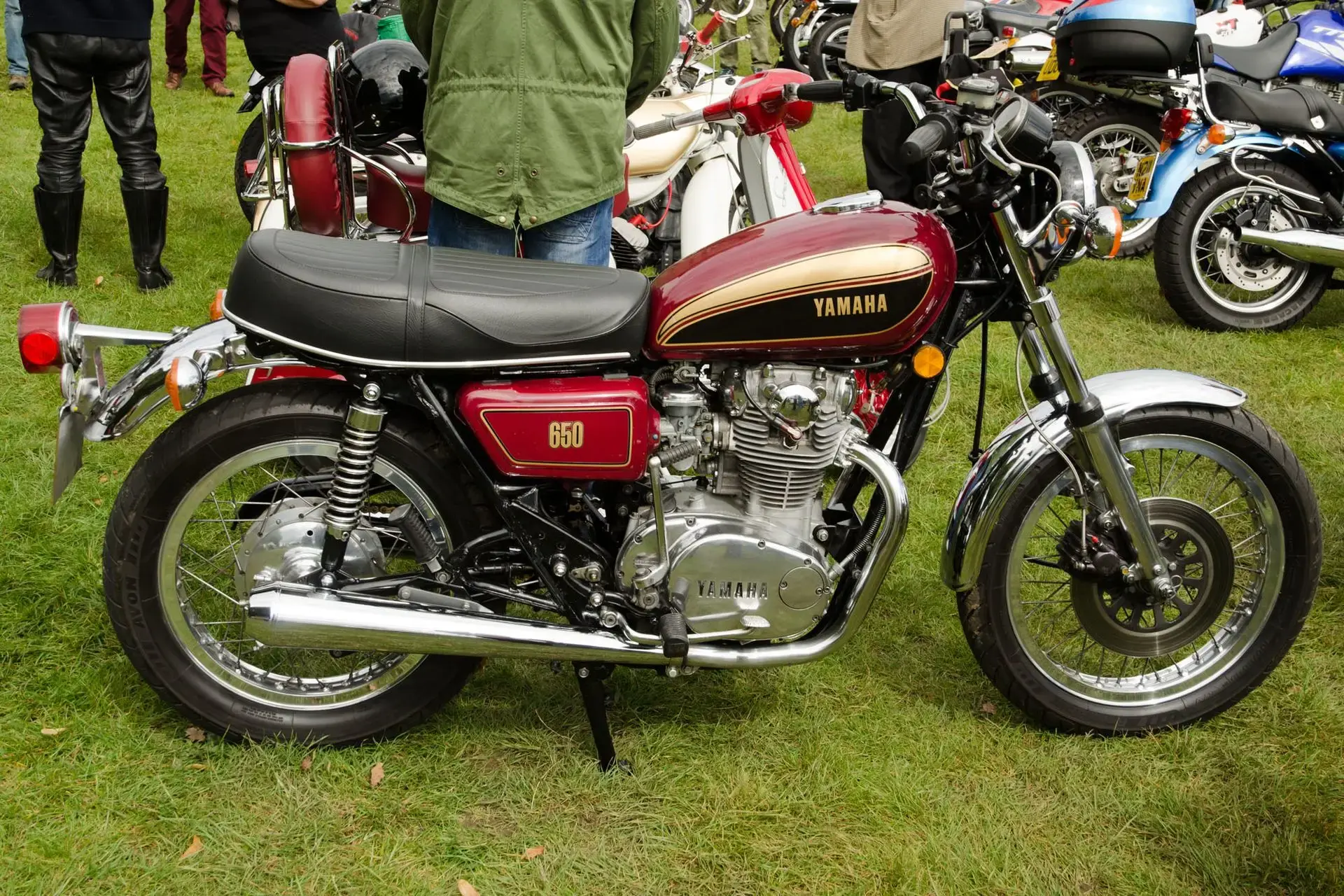
Yamaha XS650, GSX‑R & Gold Wing: 50 Years of Japanese Icons
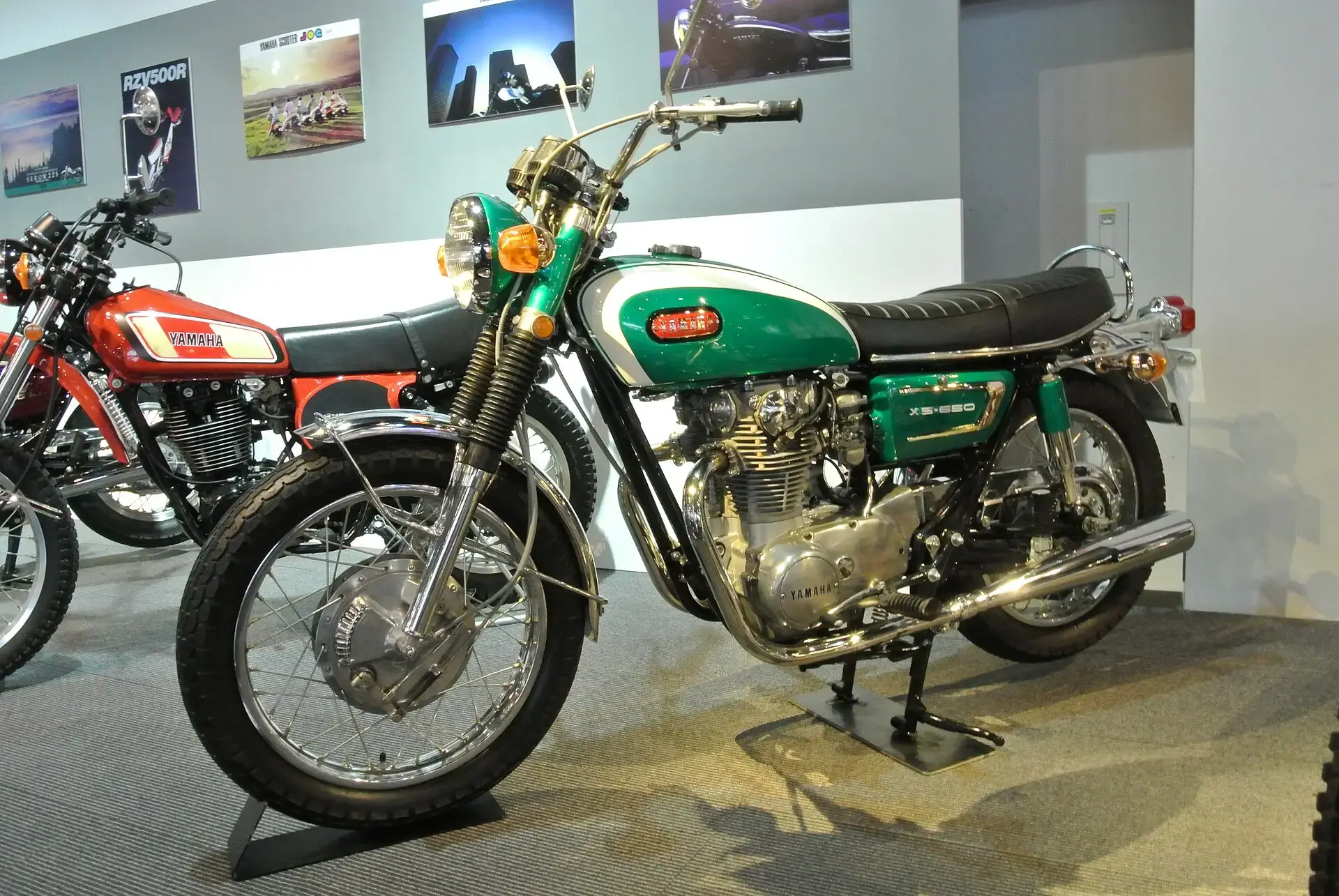
Yamaha XS650 Evolution: 1968–1988 Parallel‑Twin Survivor