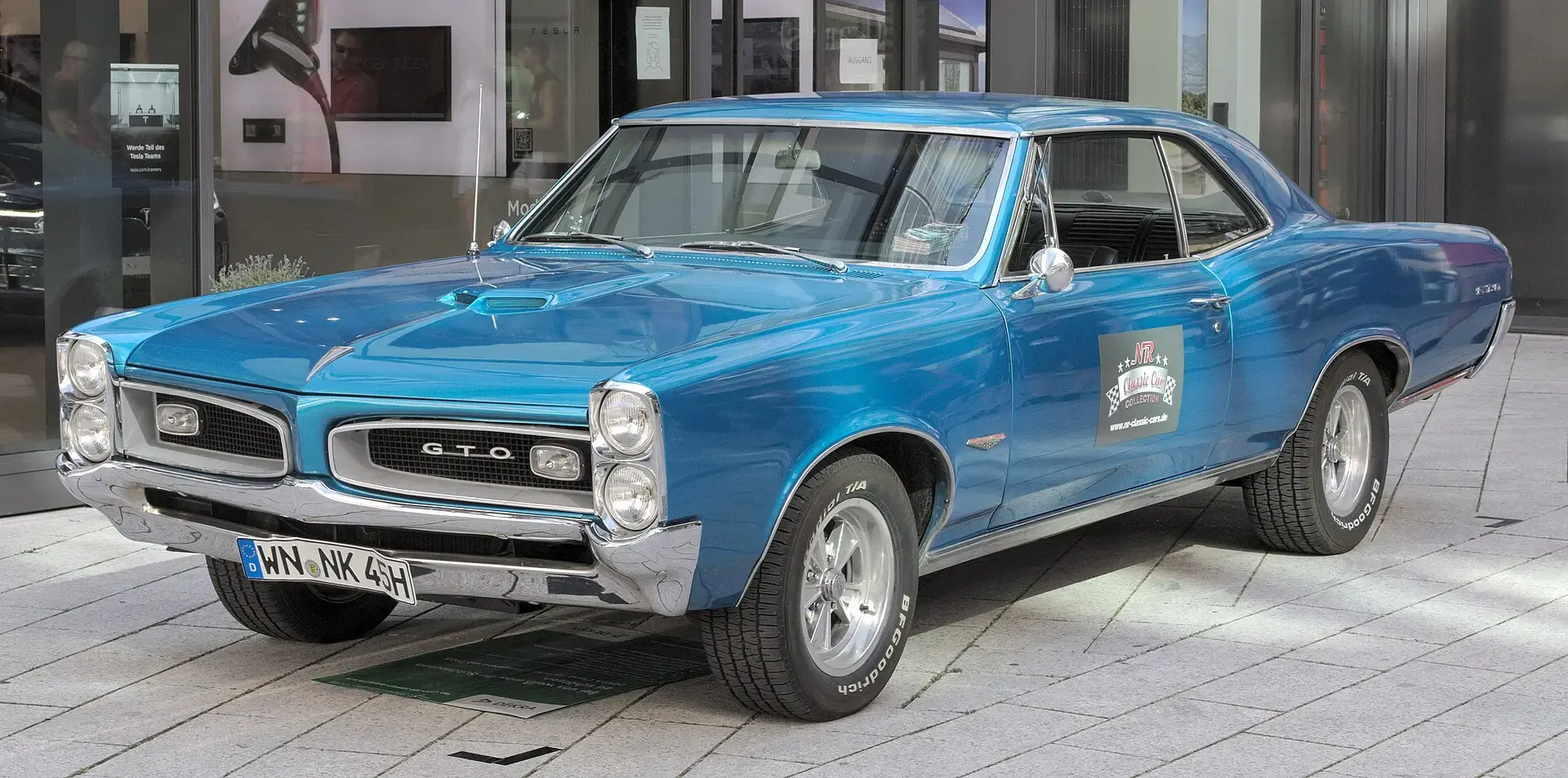

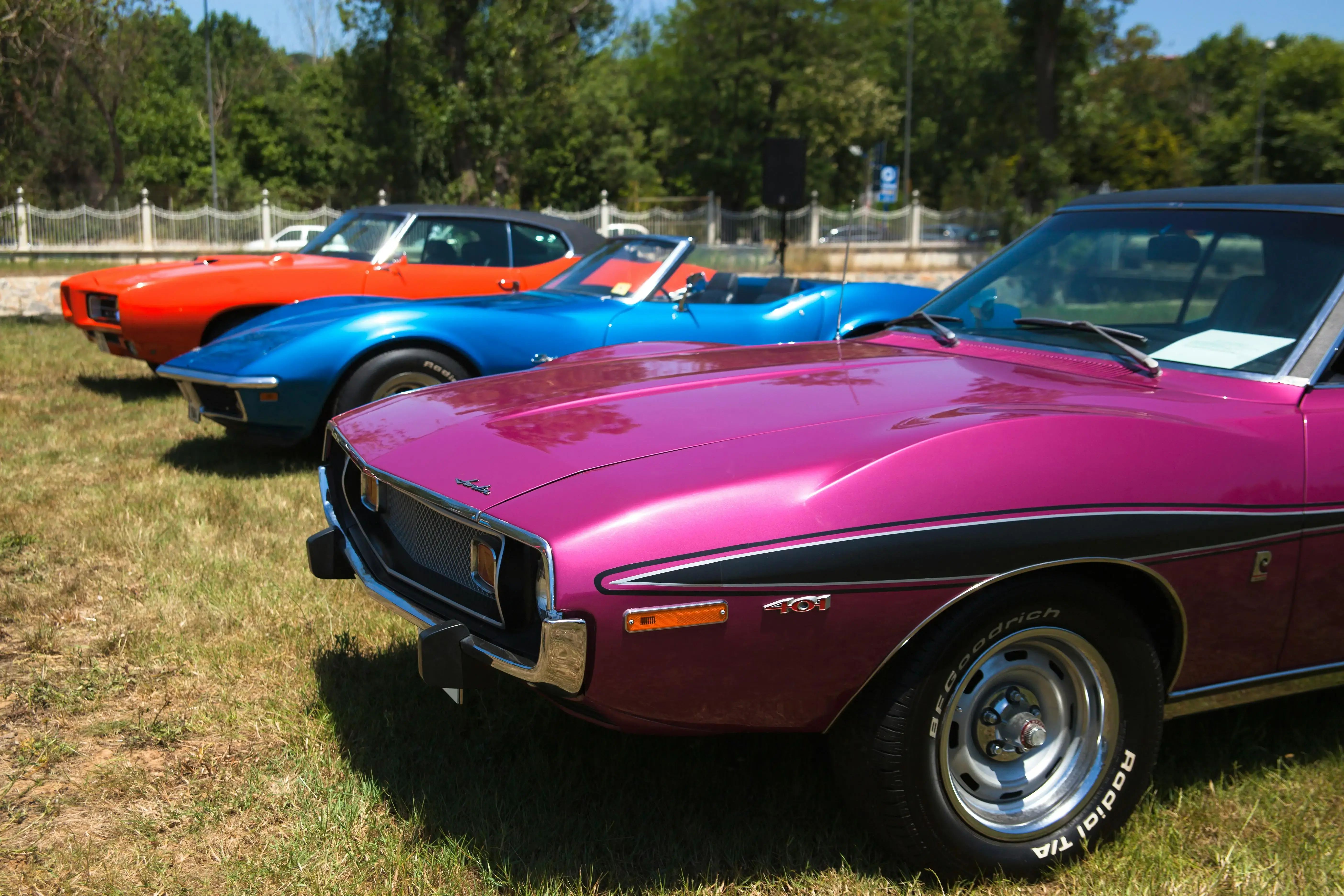
The 1973–1983 malaise era reshaped American performance—but it didn’t erase it. While emissions rules, fuel crises, and shrinking horsepower defined the headlines, a select group of V8-powered coupes preserved the styling, sound, and presence that made muscle cars globally desirable. This guide from West Coast Shipping highlights the ten most important survivors of the era—and why they remain compelling, export-ready classics for collectors worldwide today.
Malaise Era Survivors: The 10 Best Muscle Cars Built Between 1973–1983
From a U.S. perspective, 1973–1983 marks the “malaise era” — a decade defined by the oil crisis, new EPA rules, and rapidly falling horsepower. Yet even in that environment, a core group of cars kept American V8 performance alive. They were softer than their 1960s predecessors, but they carried the styling, sound, and attitude that would fuel the modern muscle revival decades later.
West Coast Shipping’s deep dives into how the 1970s oil crisis ended the classic muscle car era and the history of American muscle cars set the stage for this list. In this article, we focus on ten 1973–1983 “survivors” that still make compelling export candidates for overseas collectors who appreciate period‑correct style as much as outright speed.
1. 1973 Pontiac Trans Am 455 Super Duty
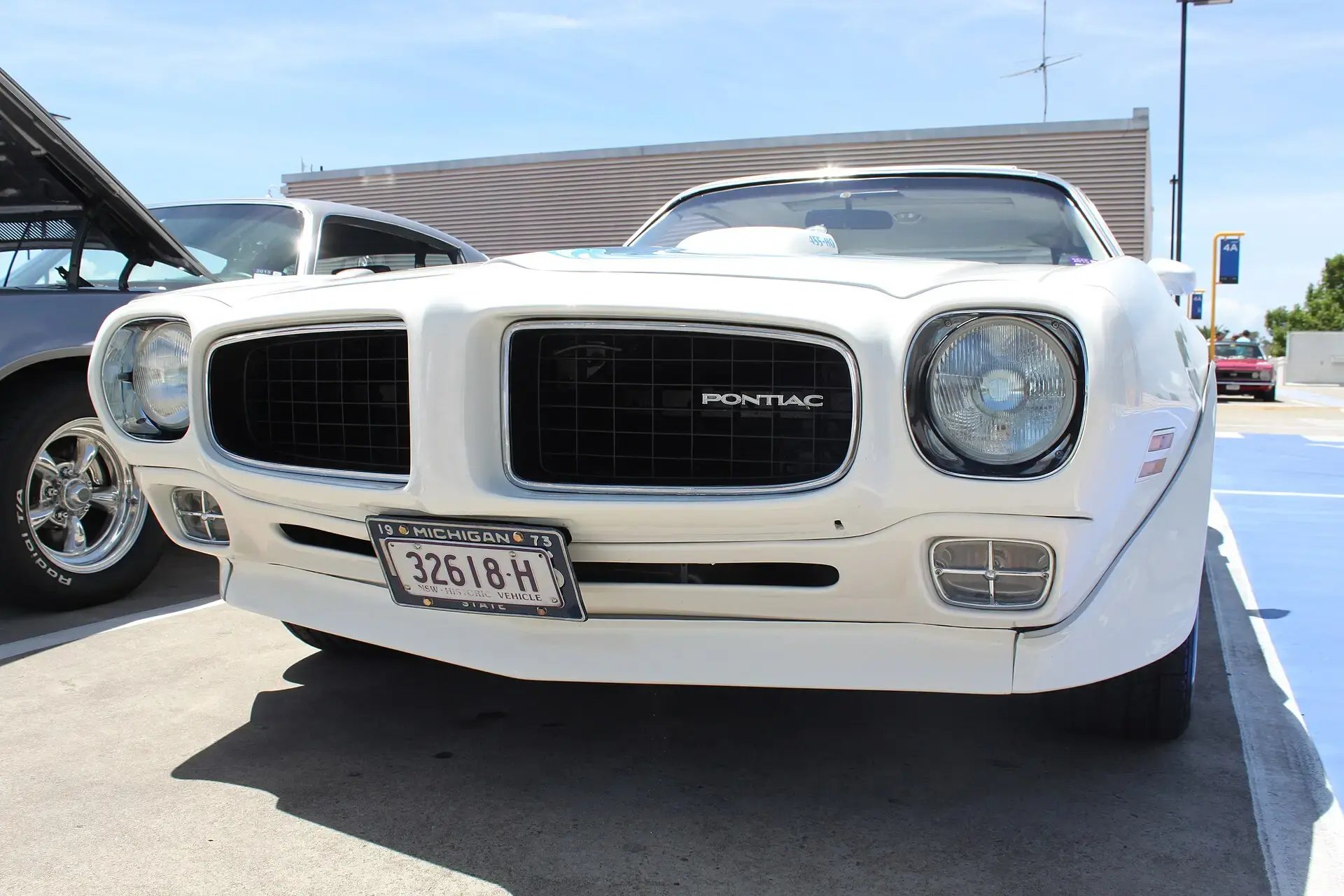
The 1973 Trans Am with the Super Duty 455 engine is widely regarded as one of the last truly serious big‑block performance cars of the era. Despite lower published power numbers due to changing rating methods and emissions constraints, the SD‑455 retained heavy‑duty internals and real‑world performance that punched above its brochure figures.
Why it’s a malaise‑era survivor:
-
Built at a time when most performance engines were being heavily detuned
-
Combines muscle car character with early‑1970s handling improvements
-
Strong collector demand, especially for well‑documented examples
For international buyers, SD‑equipped Trans Ams represent a direct link back to late‑1960s fire‑breathers, which is why they often appear in WCS’s lists of top American classic muscle cars to buy.
2. 1973–1974 Chevrolet Camaro Z28
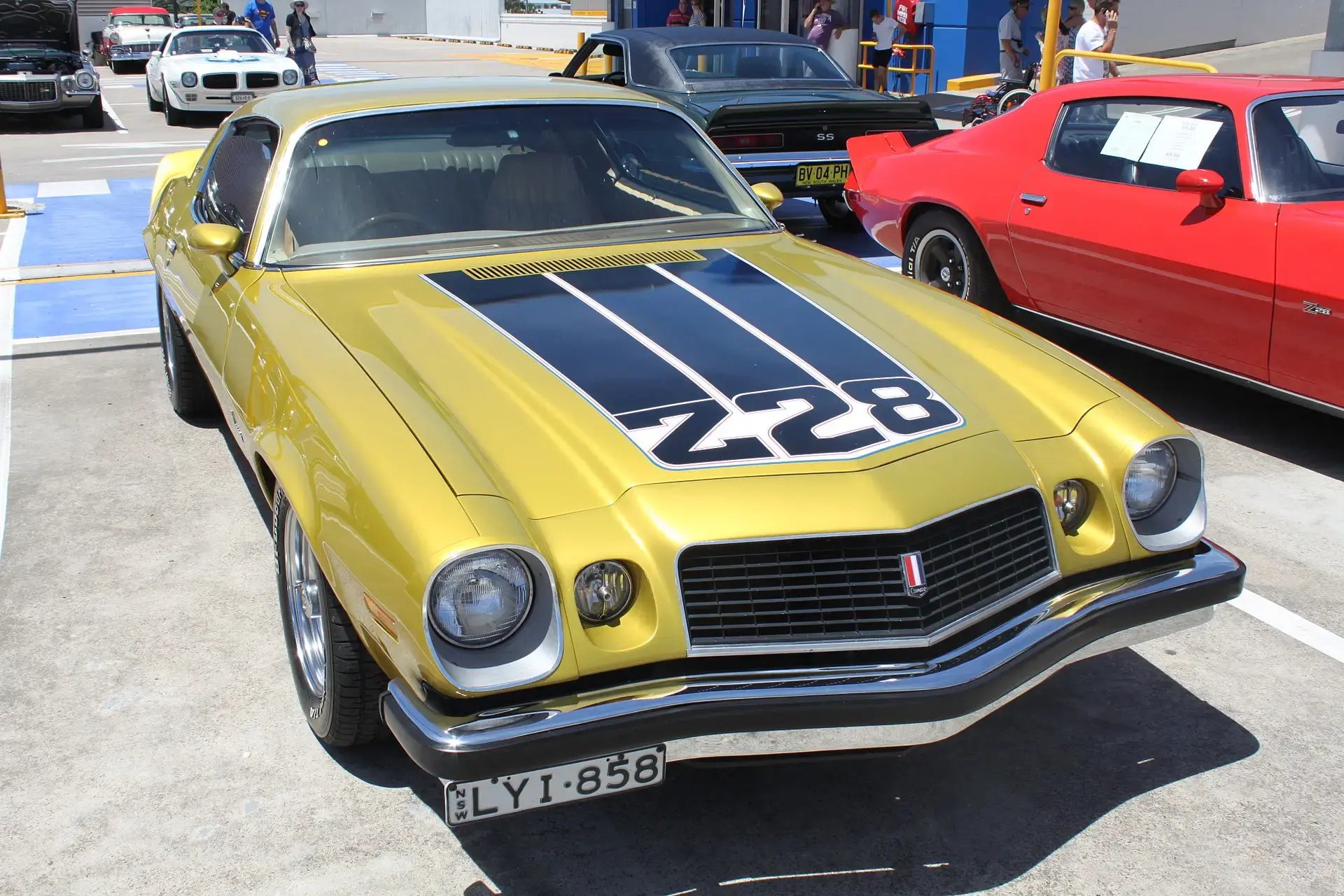
Second‑generation Camaros took a hit in power compared with 1969 Z/28s, but the early‑1970s Z28 still offered a balanced blend of V8 performance and road manners. As compression ratios dropped and emissions gear increased, Chevrolet leaned on chassis tuning and gearing to keep the car interesting.
Survivor strengths:
-
Retains much of the sharp styling and driving feel that made early second‑gens desirable
-
Acts as a bridge between first‑gen Z/28s and the later third‑gen performance revival
-
Popular candidate for export restorations thanks to strong aftermarket support
In overseas markets, early‑70s Z28s stand out in traffic dominated by small sedans and hatchbacks, and they fit neatly into the narrative that WCS traces from golden‑age icons to 1990s modern classics.
3. 1974 Plymouth Road Runner (B‑Body)
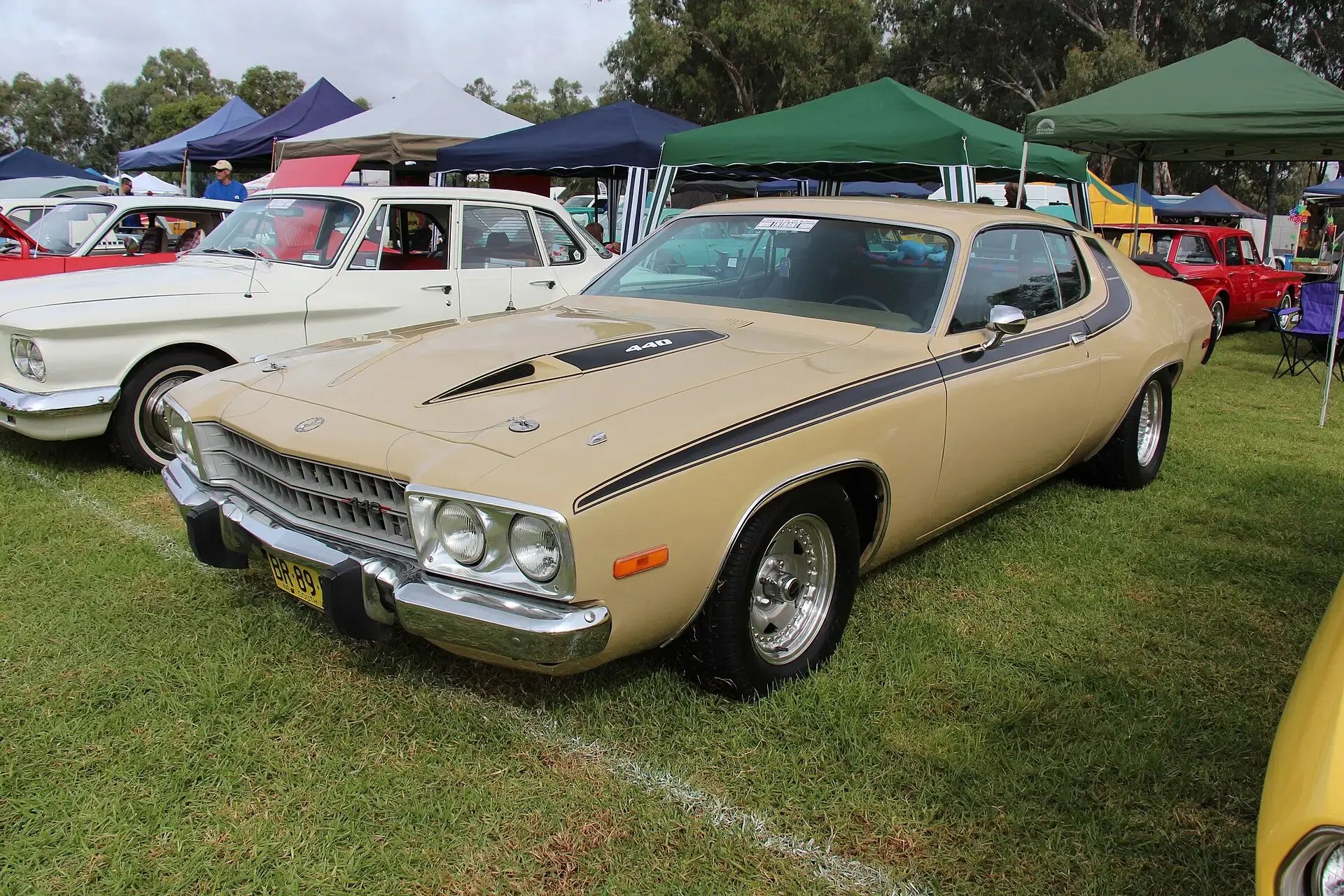
By 1974, the Road Runner had lost much of its late‑1960s rawness, but it remained a V8‑powered statement in a world rapidly moving toward economy. It represents the final chapter of the classic Mopar B‑body muscle line before downsizing and platform shifts changed the formula.
Why it deserves a spot:
-
Last of the traditional mid‑size Mopar performance coupes before the full malaise downturn
-
Strong nostalgia factor for enthusiasts who grew up around 1970s American cars
-
Rare sight outside North America, offering export owners plenty of attention
For collectors abroad, a 1974 Road Runner offers a slice of Mopar history that fits within budget and availability constraints more comfortably than earlier Hemi or 440‑powered cars.
4. 1977 Pontiac Firebird Trans Am 6.6
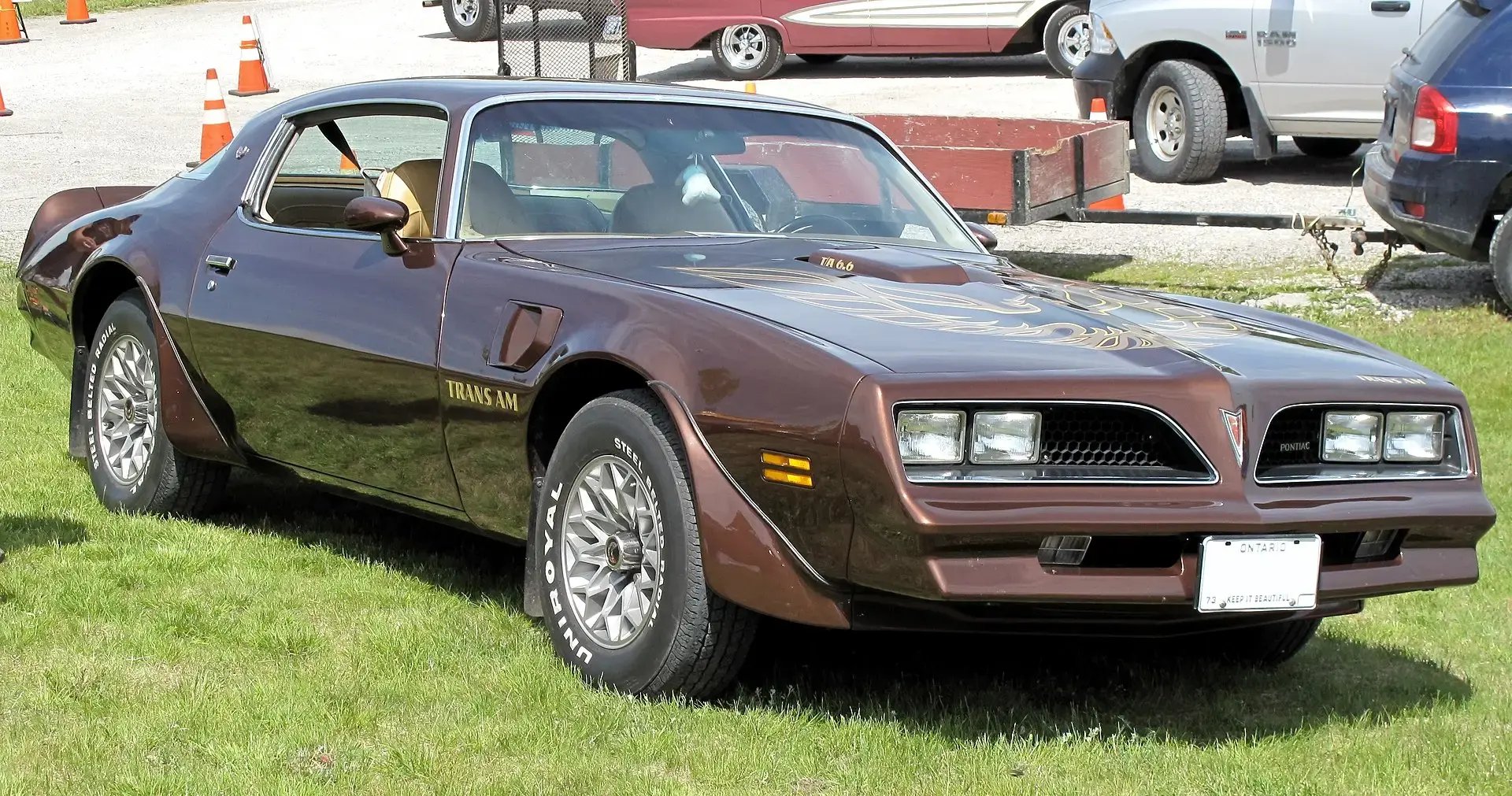
The 1977 Trans Am 6.6 might not have outrageous power on paper, but its cultural impact — especially via films and TV — cemented its place in automotive history. In a decade when performance marketing often overshadowed performance figures, the “Bandit‑era” Trans Am became the definitive American muscle image for many enthusiasts worldwide.
Key reasons it’s a malaise‑era icon:
-
Instantly recognizable styling, from the shaker hood to the “screaming chicken” hood decal
-
V8 soundtrack that delivered emotional appeal despite emissions‑era output figures
-
Large global fan base that sees the car as a symbol of late‑1970s American culture
Overseas, these Trans Ams are often gateway cars for collectors who want American muscle but also appreciate pop‑culture connections.
5. 1978–1979 Chevrolet Corvette L82
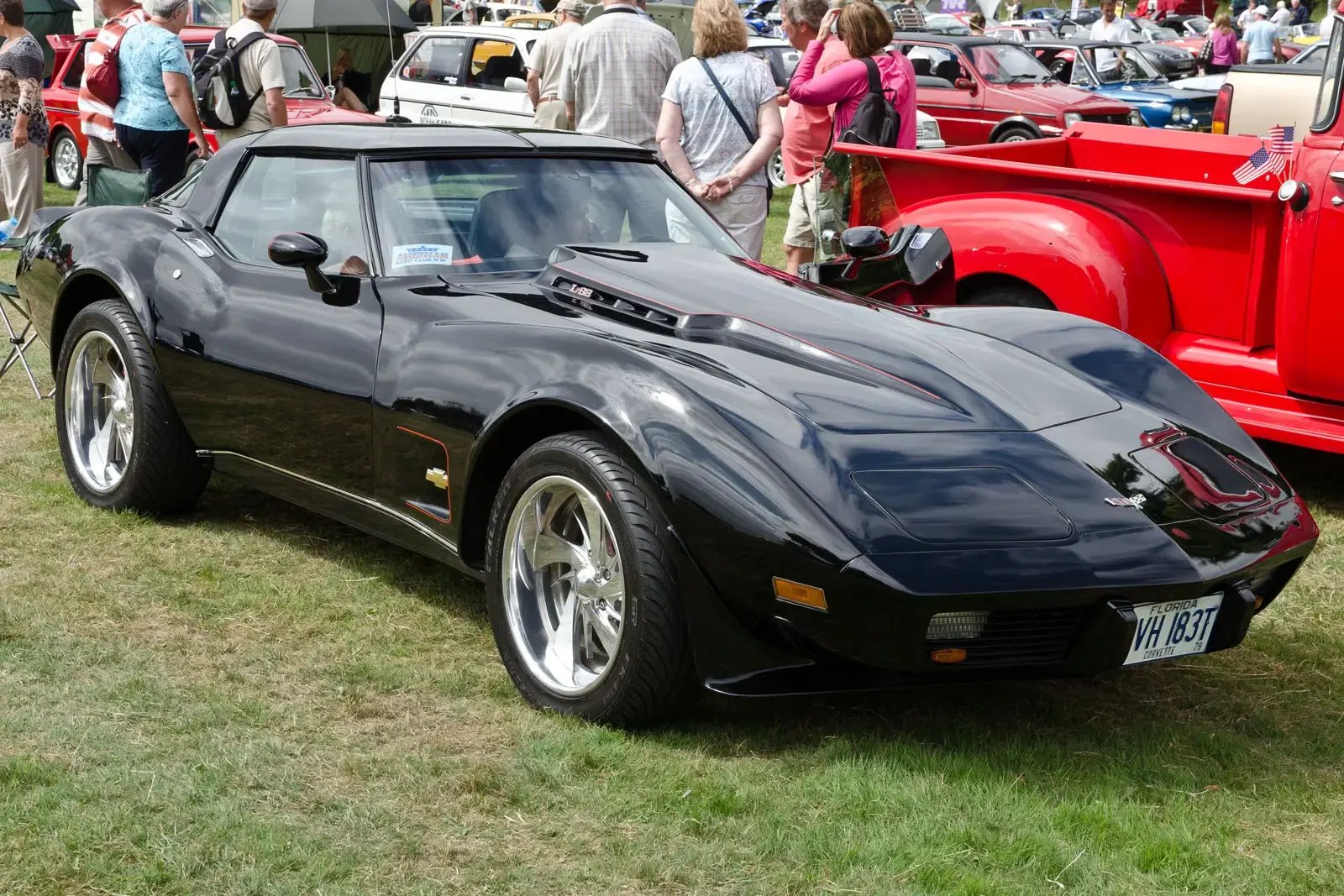
C3 Corvettes of the late 1970s were affected by the same emissions and fuel‑economy pressures as everything else, but the L82 engine option provided a useful step up over base models. In many export markets, even these “soft” Corvettes feel quick relative to period‑correct local cars.
Why the L82 era matters:
-
Retains the dramatic long‑hood, short‑deck proportions that define classic Corvettes
-
Represents an accessible entry point to Corvette ownership compared with high‑value C2/C3 big‑block cars
-
Well supported by parts suppliers and specialist shops, which simplifies overseas ownership
For buyers abroad, late‑1970s Corvettes offer style and presence that outweigh their factory performance figures, making them strong candidates for tasteful upgrades or period‑correct restorations.
6. 1979–1981 Pontiac Firebird Formula and Esprit
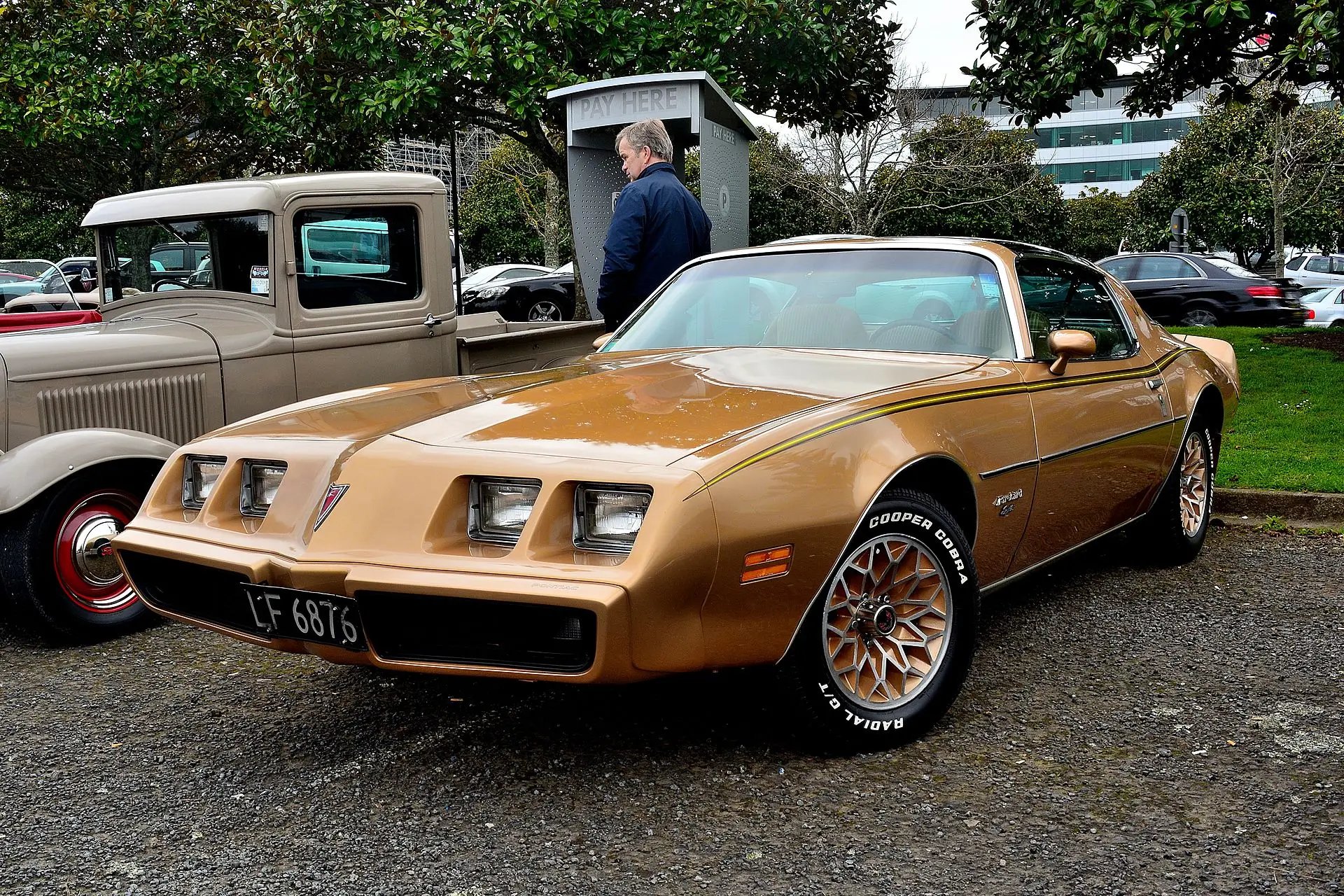
Not everyone wanted graphics and spoilers. The Firebird Formula and Esprit trims offered V8 power in a subtler package, appealing then — as now — to drivers who prefer to fly under the radar.
Survivor appeal:
-
Cleaner, less aggressive styling than high‑profile Trans Ams
-
Many cars led gentler lives, often resulting in better preservation prospects
-
Ideal for export buyers who appreciate 1970s design but prefer a lower‑key look
These cars align well with the “underrated performance” theme that WCS explores in articles like 5 underrated American performance cars for future collectors.
7. Late-1970s Chevrolet Monte Carlo (Performance-Oriented Trims)
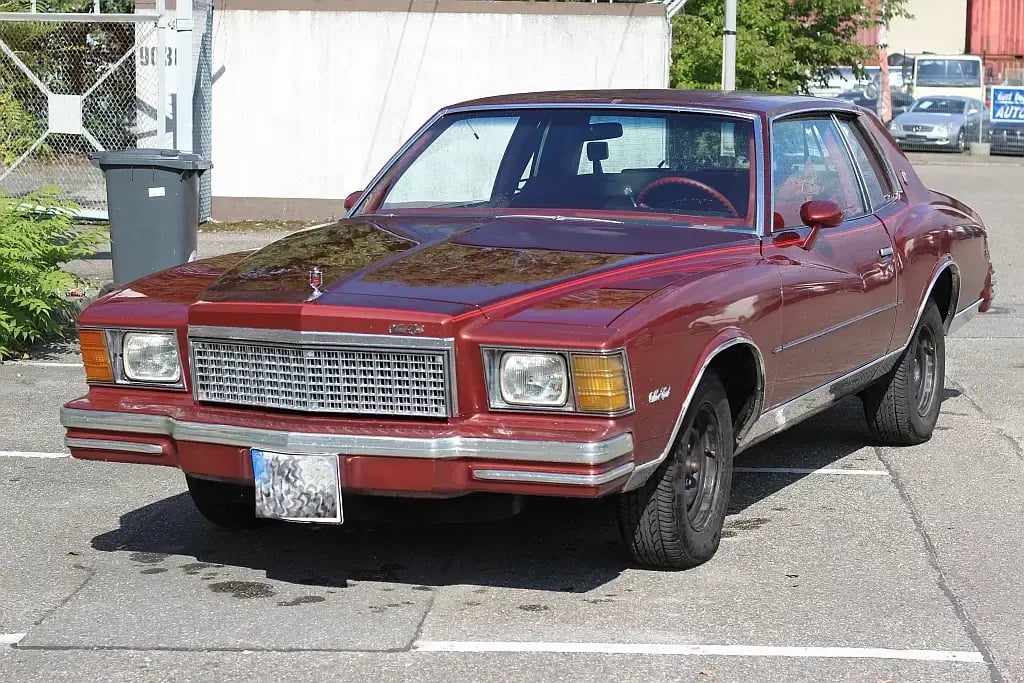
As the personal‑luxury coupe segment matured, the Monte Carlo retained a thread of performance through specific trims and options, particularly where NASCAR ties influenced marketing. Although not a muscle car in the 1960s sense, V8‑equipped late‑70s Montes kept big‑coupe American character alive.
Why they belong on a survivor list:
-
Represent the shift from pure muscle to personal‑luxury with performance overtones
-
Offer comfortable, long‑wheelbase cruising ideal for European motorways and Australian highways
-
Carry styling and NASCAR associations that resonate with motorsport fans abroad
For export buyers, these cars can be appealing when they want something more relaxed than a Trans Am but still distinctly American.
8. 1979–1981 Ford Mustang (Early Fox-Body)
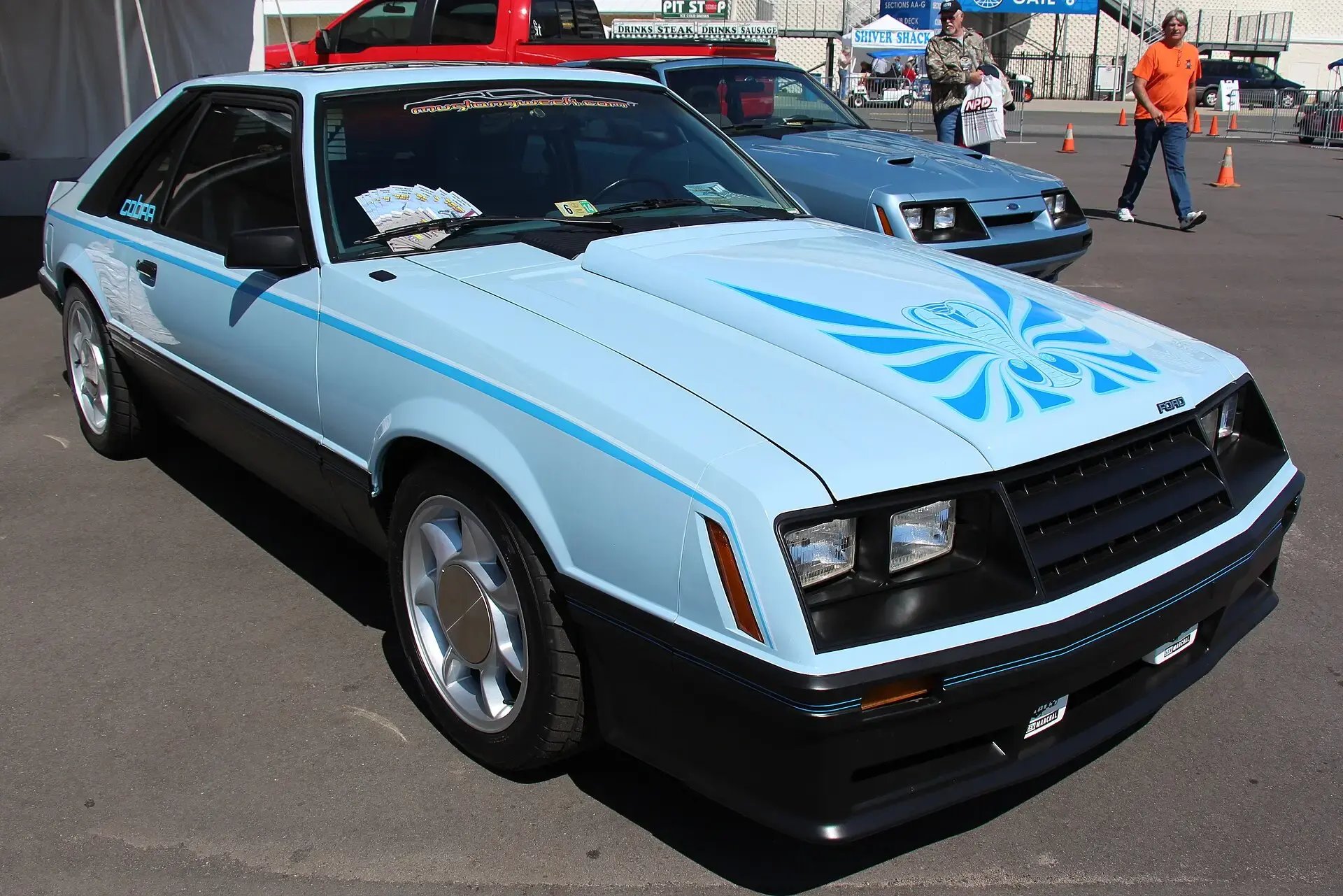
The earliest Fox‑body Mustangs did not have the power of later 5.0‑liter GT models, but they laid the groundwork for the 1980s performance revival. Light weight and simple construction make them fertile ground for upgrades, and they occupy an important historical niche.
Why early Fox Mustangs qualify:
-
Mark the transition from the much‑criticized Mustang II back to more performance‑oriented thinking
-
Provide a relatively affordable entry into classic Mustang ownership
-
Serve as a natural prequel to 1980s and 1990s 5.0 Mustangs covered in WCS’s 1990s muscle import guide
Internationally, early Fox‑body cars appeal to enthusiasts who value lightness and tuning potential over factory horsepower numbers.
9. 1982–1983 Chevrolet Camaro Z28 (Early Third Gen)
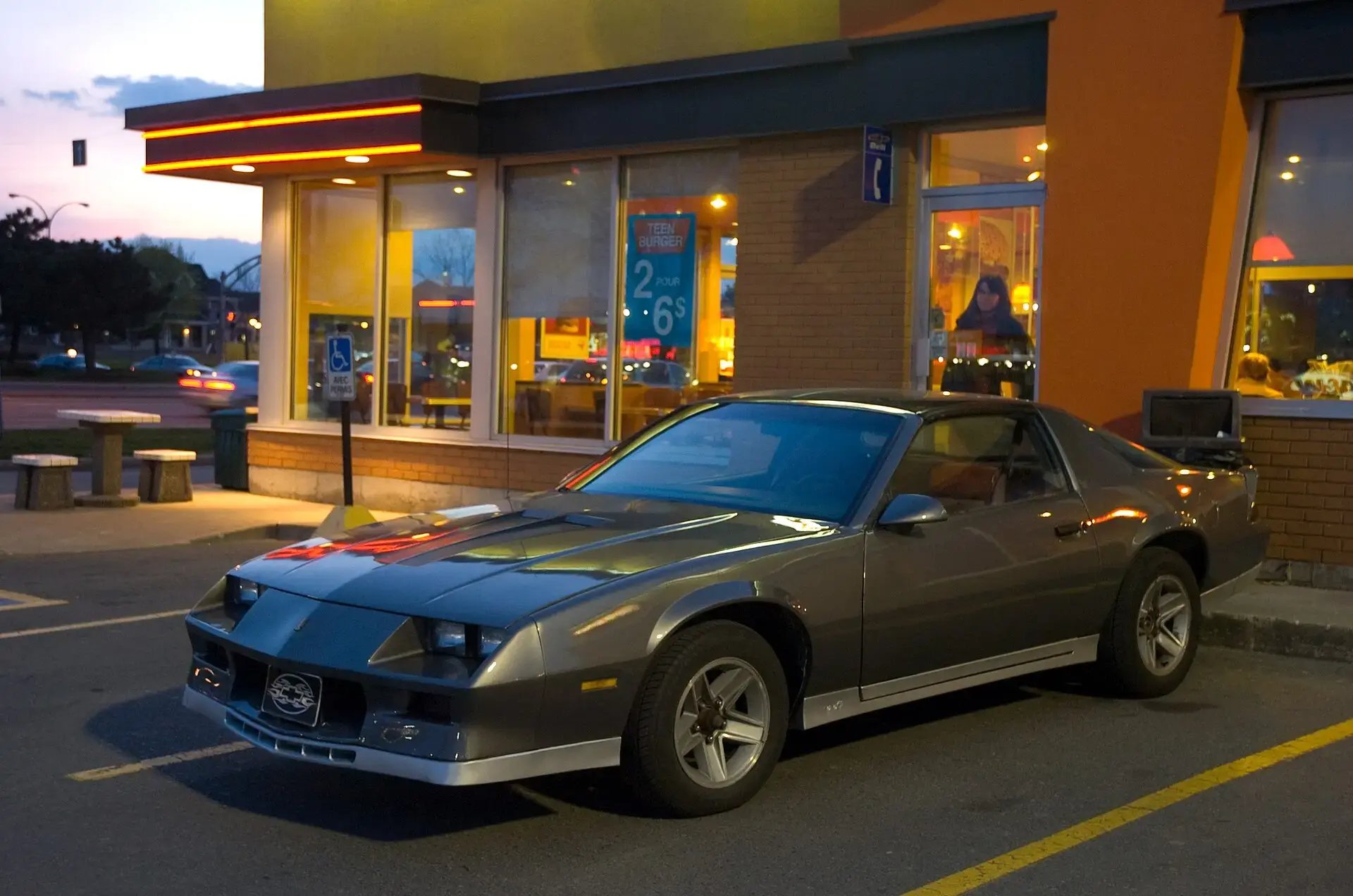
The third‑generation Camaro debuted for 1982 with a focus on aerodynamics and reduced weight, signaling a new approach to performance in a tighter regulatory environment. Early Z28s emphasized handling and efficiency alongside modest V8 output.
Survivor characteristics:
-
Iconic wedge‑shaped styling that defined 1980s GM performance
-
Good chassis base that responds well to modern suspension and engine upgrades
-
Growing recognition among collectors and in WCS’s global muscle‑car market analysis
For export markets, early third‑gen Camaros offer a distinctly 1980s aesthetic that is increasingly nostalgic.
10. 1983 Pontiac Firebird Trans Am (Early Third Gen)
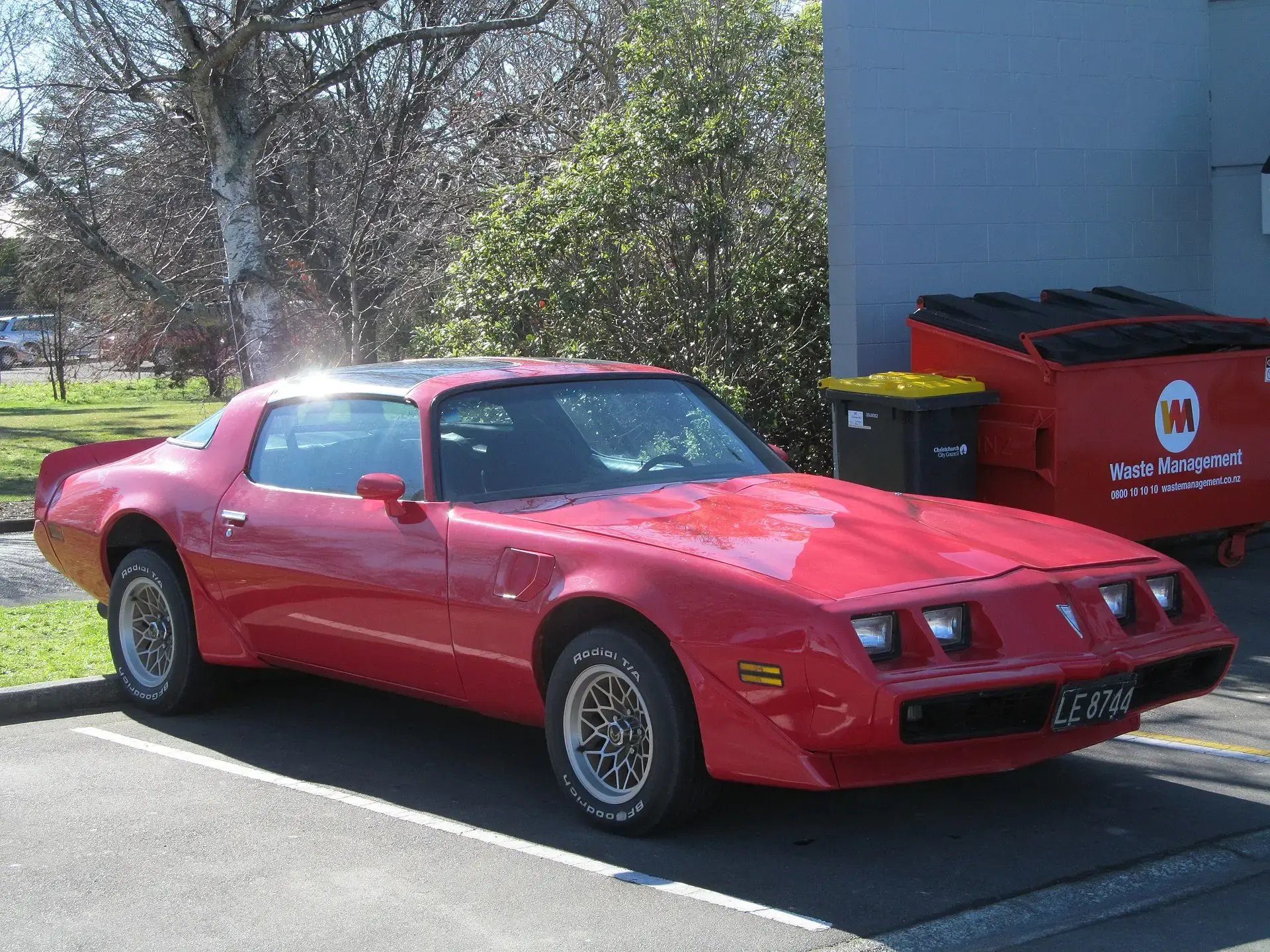
The third‑generation Trans Am completed GM’s early‑1980s performance picture: lighter, more aerodynamic, and aimed as much at handling as straight‑line speed. While power figures were modest, the car’s design and role in media gave it a strong identity.
Why it closes out the list:
-
Captures the transition from traditional muscle to modern performance coupes
-
Strong connection to 1980s pop culture, which boosts demand among younger collectors today
-
Provides a clear stylistic link between malaise‑era survivors and the later 1990s renaissance highlighted in WCS’s Forgotten Fast guide
As more enthusiasts abroad look for 1980s cars with character, early third‑gen Trans Ams fit naturally into that demand.
Why Malaise-Era Survivors Make Sense for Overseas Buyers
While 1973–1983 muscle cars rarely top drag‑strip charts, they offer three export‑friendly advantages that WCS sees repeatedly in its muscle‑car topic hub.
-
Affordability relative to golden‑age icons. Many malaise‑era cars remain less expensive than 1960s equivalents, making them attractive first imports for new collectors.
-
Distinctive styling with more comfort. These cars retain long‑hood proportions and V8 sound but often add better ride quality, more amenities, and improved corrosion resistance.
-
Import‑friendly age brackets. As they approach or pass 30‑year thresholds, they increasingly benefit from classic‑vehicle frameworks discussed in WCS’s guides to Germany imports and classic compliance rules.
For a bigger‑picture view that links malaise survivors to factory freaks and modern monsters like the Demon 170, see the pillar article on malaise survivors, factory freaks and Demon 170 global shipping.
Shipping Malaise-Era Muscle Cars Overseas with West Coast Shipping
Getting a 1970s or early‑1980s survivor from a U.S. barn, dealer, or auction to your overseas garage requires careful planning around documentation, transport, and customs. West Coast Shipping’s import American muscle cars documentation guide and customs checklist outline the core steps:
-
Original, lien‑free title and matching VIN verification
-
Detailed bill of sale and commercial invoice for customs valuation
-
Appropriate classification as a classic vehicle where local rules allow
-
Pre‑shipment inspection to document condition and identify any compliance work needed at destination
Malaise‑era cars are often ideal candidates for container consolidation or dedicated container shipping, depending on value and condition, as described on the international car shipping page. Their age also means they frequently qualify for less stringent emissions testing compared with newer imports, something WCS explores in its classic emissions and compliance guide.
Disclosure and disclaimer (February 2026)
This article is provided by West Coast Shipping (WCS) for general informational and promotional purposes only. Vehicle examples, production context, and performance figures are based on manufacturer data, period publications, auction reports, and enthusiast research, which may differ between sources and may be updated or corrected over time. Any discussion of import regulations, duties, VAT, emissions standards, or compliance frameworks is general in nature and does not describe the full set of requirements for any specific country or vehicle.
Trade policies, import regulations, tax rules, and technical inspection requirements vary by jurisdiction and are subject to change without notice. Nothing in this article should be interpreted as legal, regulatory, customs, tax, financial, or investment advice. Eligibility for import, and any duty, tax, or emissions treatment, always depends on the specific vehicle’s build date, configuration, documentation, and the rules in force at the time of import in the relevant jurisdiction.
Always verify a vehicle’s exact specifications, build date, and originality with the manufacturer, marque historians, or trusted registries. Before making purchasing or import decisions, consult the relevant customs, transport, and environmental authorities, review current regulations from official government sources, and consider working with qualified import and compliance professionals in your jurisdiction. Classic and collector car markets are volatile; values and demand can change quickly. As of February 2026, all information in this article should be treated as indicative, subject to independent verification, and not a substitute for professional advice.
Ready to Ship a Malaise-Era Survivor?
If a 1973–1983 survivor — whether it is a Trans Am, Z28, Monte Carlo, or early Fox‑body — matches your vision, the next step is turning a listing into a car in your driveway. West Coast Shipping’s international car shipping tools and services let you compare routes, methods, and timelines for your specific origin and destination, so you can focus on choosing the right malaise‑era muscle car while WCS manages the logistics from U.S. seller to your garage.

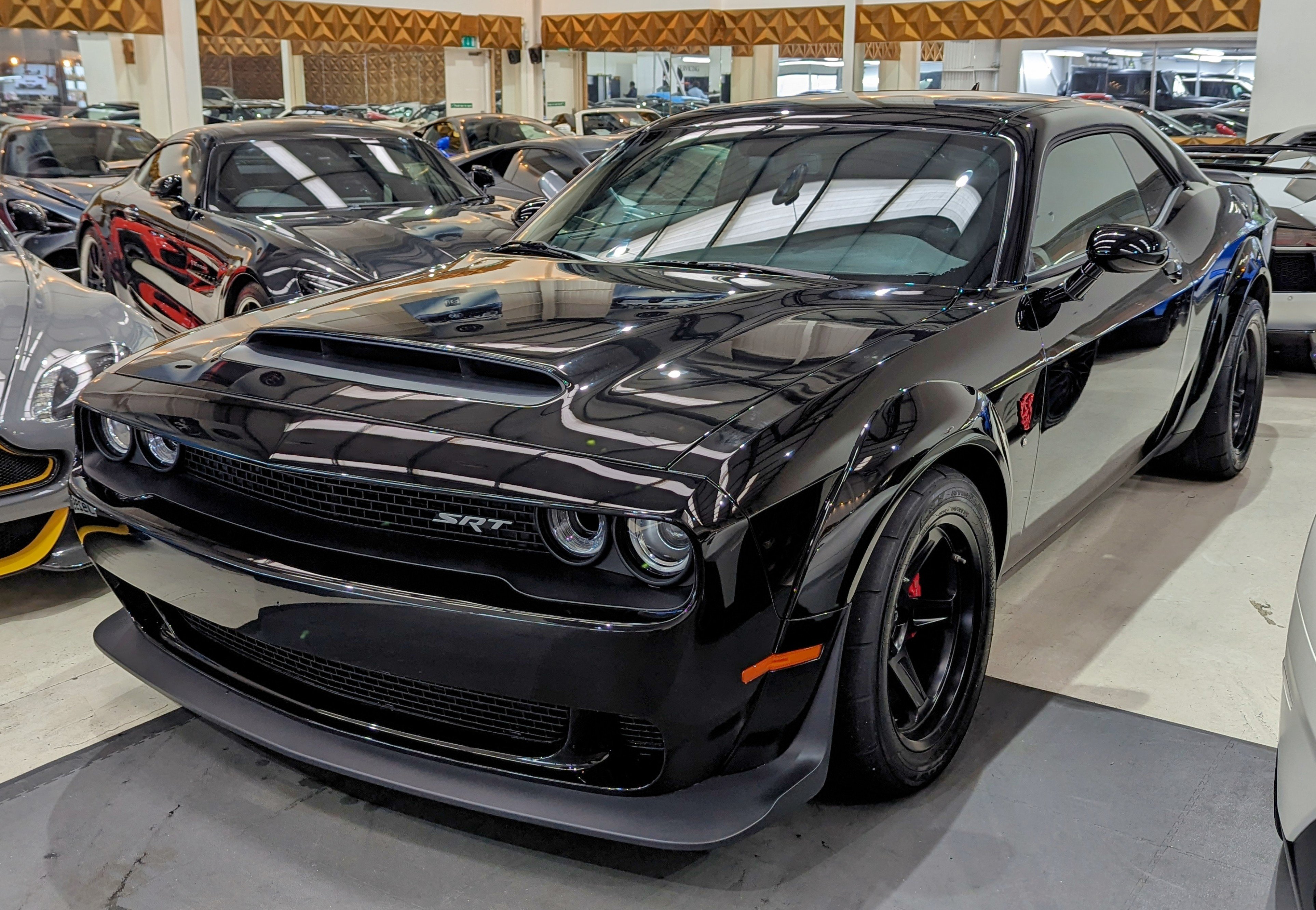
Dodge Demon 170: Shipping the World’s Most Powerful Muscle Car
Malaise Survivors, Factory Freaks & Demon 170 Global Shipping