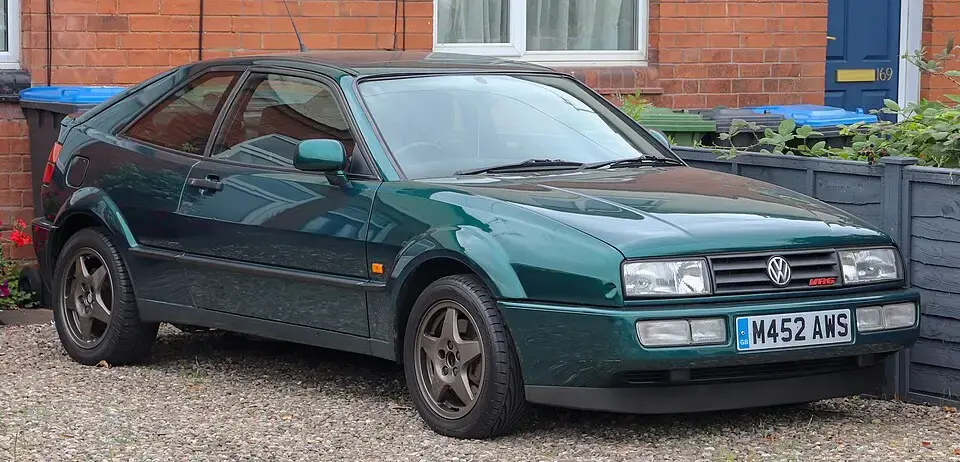

The 25-year rule is one of the most misunderstood provisions in US motorcycle import law. Most buyers hear "duty-free" and assume it means free of everything -- costs, compliance, paperwork. It does not. What it does do is remove two of the most significant barriers to importing a foreign-market motorcycle, and for the right bike, that matters enormously. This guide covers exactly what the exemption covers, which models qualify in 2026, and what buyers need to know before committing to a purchase.
What the 25-Year Rule Actually Covers (and What It Does Not)
The 25-year rule creates two distinct exemptions that are frequently conflated. Getting clear on the difference is the most important thing you can do before researching a specific bike.
The FMVSS and EPA Compliance Exemption
Under US law, a motorcycle manufactured at least 25 years ago is exempt from compliance with Federal Motor Vehicle Safety Standards (FMVSS) administered by NHTSA and with EPA emissions requirements. This is the compliance exemption. It means the bike does not need to be modified to meet US safety and emissions standards that it was never engineered to satisfy.
This is where the real financial value sits for most buyers. Compliance modifications for a non-US-spec motorcycle can range from a few hundred dollars for lighting changes to several thousand for emissions-related hardware on newer bikes. Eliminating that requirement removes a cost and logistical burden that would otherwise make many classic imports impractical.
The Duty Exemption Is a Separate Question
Here is where confusion is most common. Import duty on motorcycles from most countries is determined by the applicable Harmonized Tariff Schedule (HTS) code and the country of origin, not by the vehicle's age. A 1998 Ducati 916 from Italy does not automatically pay zero duty just because it is 25 years old. Age does not appear in the duty calculation. What age does affect is whether Section 232 tariffs apply -- but more on that shortly.
The practical takeaway: the 25-year rule removes compliance costs. It does not remove all costs. Understanding both exemptions separately is what lets you accurately budget an import before the bike ships.
What Is Eligible in 2026: The Current Threshold
As of 2026, motorcycles manufactured in 2001 or earlier are eligible for the FMVSS and EPA compliance exemption. This threshold advances each calendar year -- motorcycles manufactured in 2002 will become eligible later in 2026, and the window continues to open from there.
One important detail that catches buyers out: NHTSA uses the manufacture date on the title document to assess eligibility, not the listed model year. A bike described as a "2001 model" in an auction listing may have been built in late 2000 or early 2002. Always confirm the exact manufacture date before assuming eligibility. Auction sheets from Japanese dealers, for example, typically include the chassis number and a manufacture date that may differ from the model year by several months.
Which Specific Models Cross the Threshold in 2026
The following bikes have 2001 production examples now crossing into eligibility. Where a model ran across multiple years, the 2001 examples are what become newly eligible this year -- earlier examples are already in the window.
Japanese Motorcycles Newly Eligible in 2026
Honda CBR929RR / CBR954RR
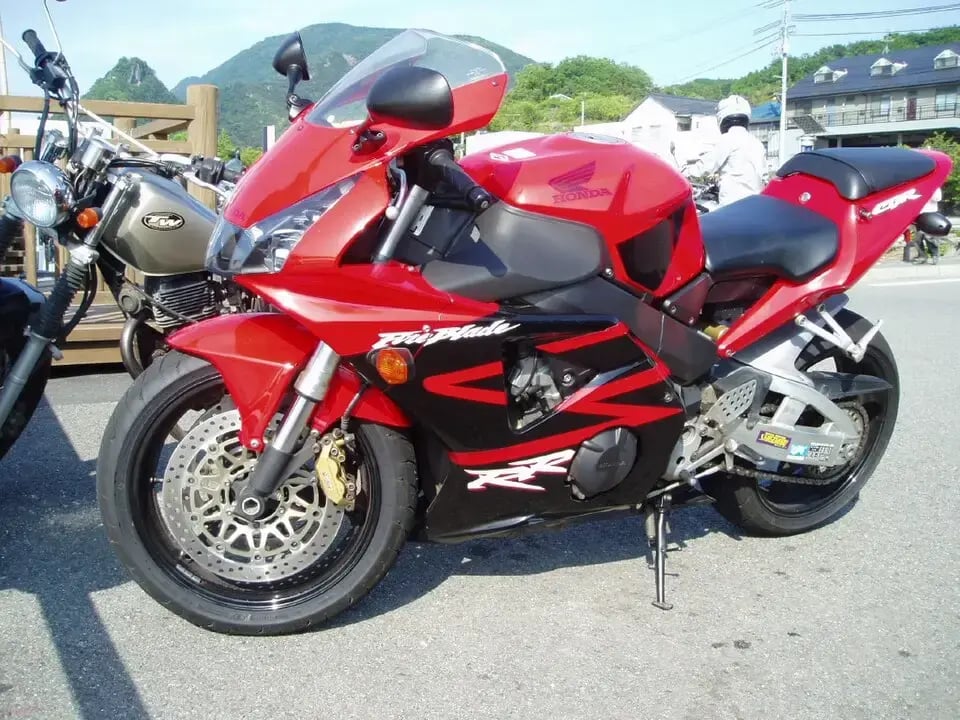
The CBR929RR (2000 to 2001 production) is fully eligible and is the confirmed import target for this platform in 2026. The CBR954RR launched as a 2002 model -- buyers should verify individual manufacture dates before purchasing, as eligibility is not assured for this model until 2027. The 929 has become one of the more sought-after supersports in the import market, and values have moved accordingly.
Yamaha YZF-R1 (second generation)
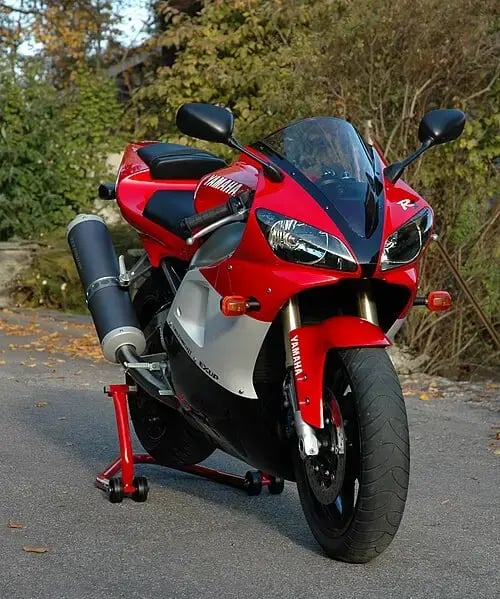
The second-generation R1 ran from 1998 to 2001. The 2001 examples are now fully eligible. This generation is widely regarded as one of the most characterful R1 iterations before the chassis moved to a more refined design direction.
Suzuki GSX-R1000 (first generation)
The original K1 GSX-R1000 launched in 2001 and is now eligible. First-generation GSX-R1000 values have been climbing as the import market has discovered them -- the K1 has a strong reputation among track and road riders and represents genuinely good value relative to what comparable performance cost new.
Kawasaki ZX-9R (C and D variants)
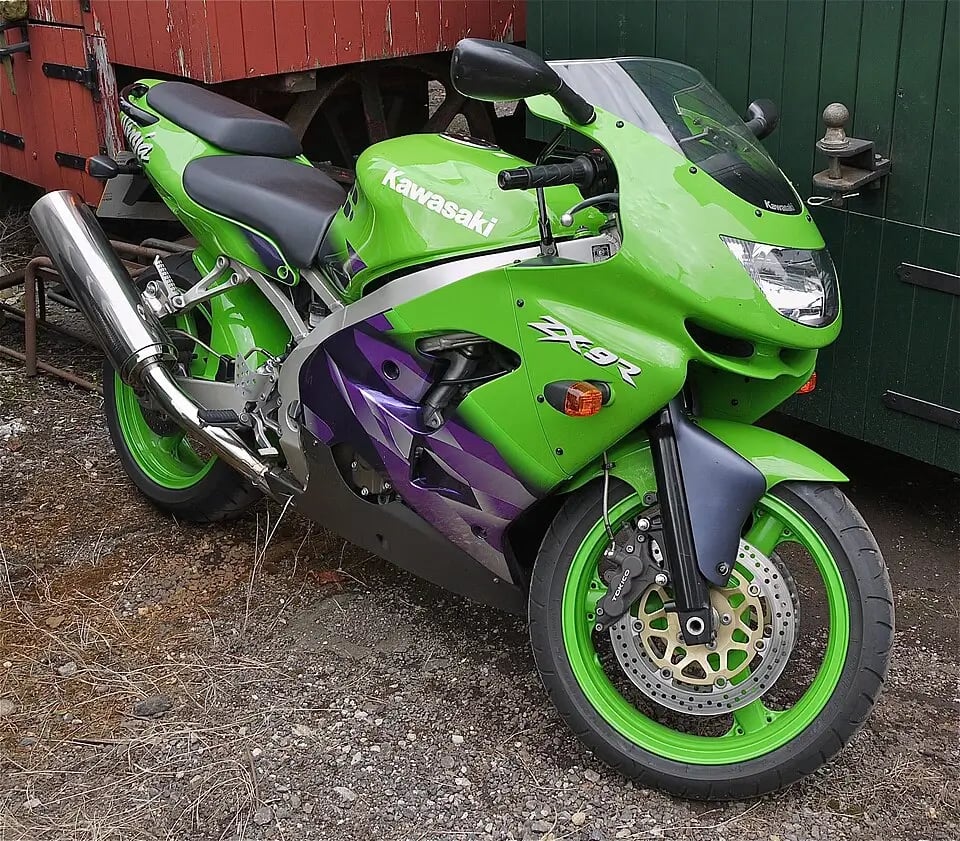
The ZX-9R ran in C trim from 1998 to 1999 and D trim from 2000 to 2001. Both are now fully eligible. Less fashionable than the ZX-6R or ZX-7R in collector circles, which arguably makes the ZX-9R better value for a buyer who actually intends to ride it.
Honda VFR800 (fifth generation)
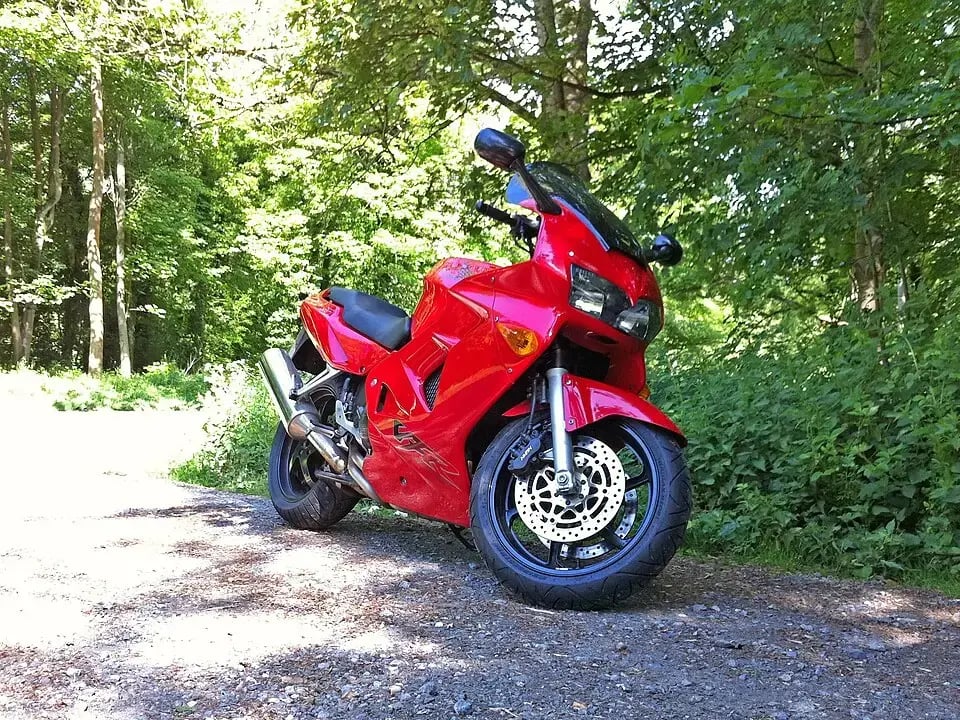
The fifth-generation VFR ran from 1998 to 2001 and is now fully eligible. The VFR800's V4 engine and combined braking system made it unusual among sports tourers of the period, and it has a loyal following among buyers who want something with genuine engineering character.
European Motorcycles Newly Eligible in 2026
Ducati 996
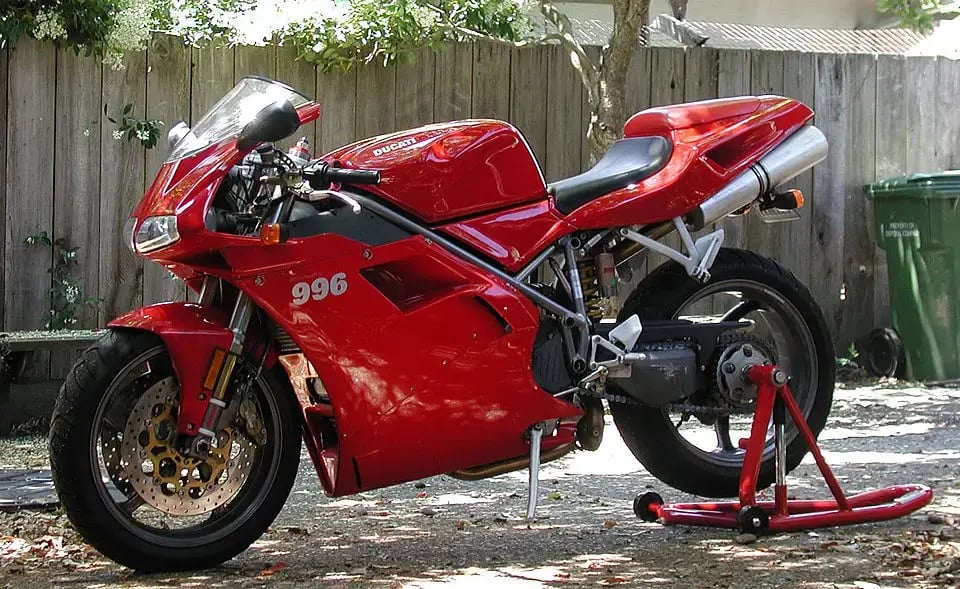
The 996 ran from 1999 to 2001 and is now fully eligible. It is the direct successor to the 916 and carries the same desirability. 2001 examples in good condition have been trading at meaningful premiums as the import market has matured. The fully dry-clutch L-twin is a genuinely different ownership experience from anything currently in production.
BMW R1150GS (first generation)
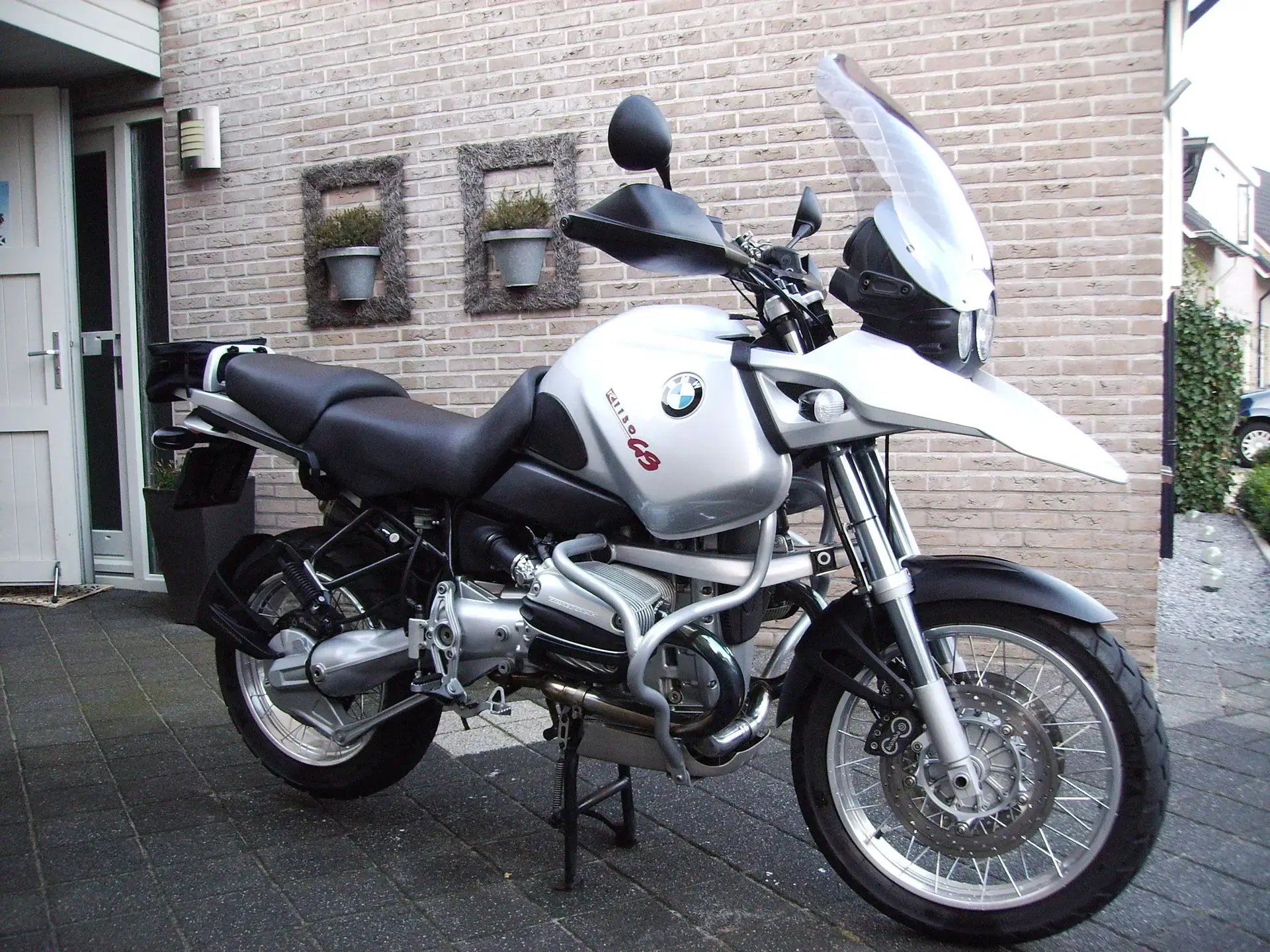
First-generation R1150GS production ran from 1999 to 2004, meaning 2001 examples are now eligible. The R1150GS is the platform that cemented the GS as a global benchmark for adventure touring, and its mechanical simplicity relative to later models is a practical advantage for buyers planning to use it.
Triumph Speed Triple (second generation)
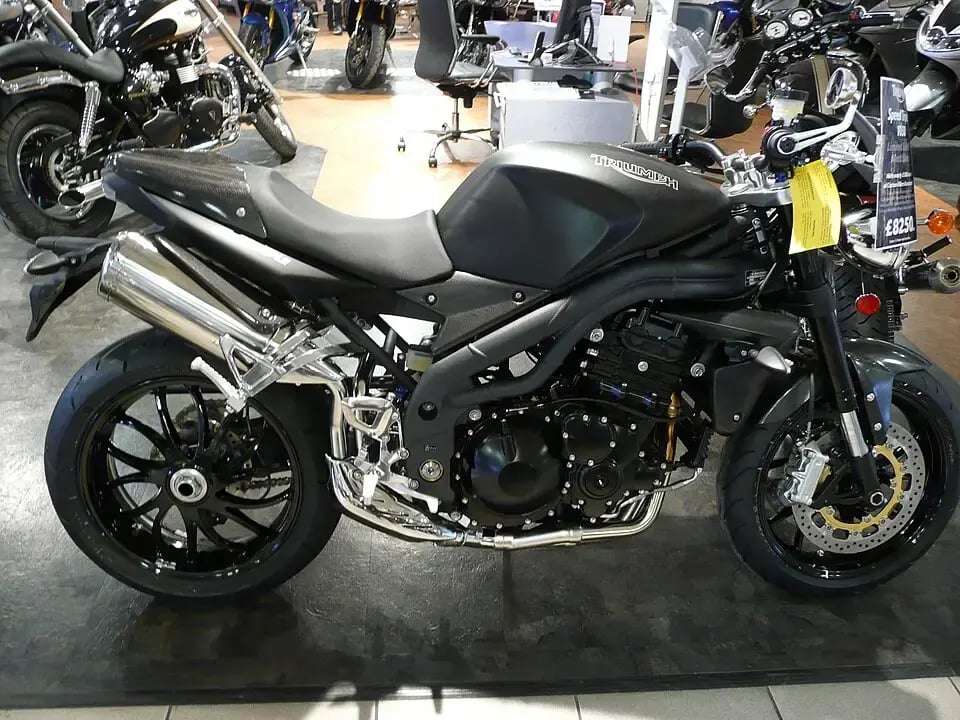
The second-generation Speed Triple (T509, 885cc, 1997 to 2001) is fully eligible. Triumph's reestablishment as a credible manufacturer happened partly on the back of this model, and the original Speed Triple has a cult following that has been driving values upward.
Aprilia RSV Mille (first generation)
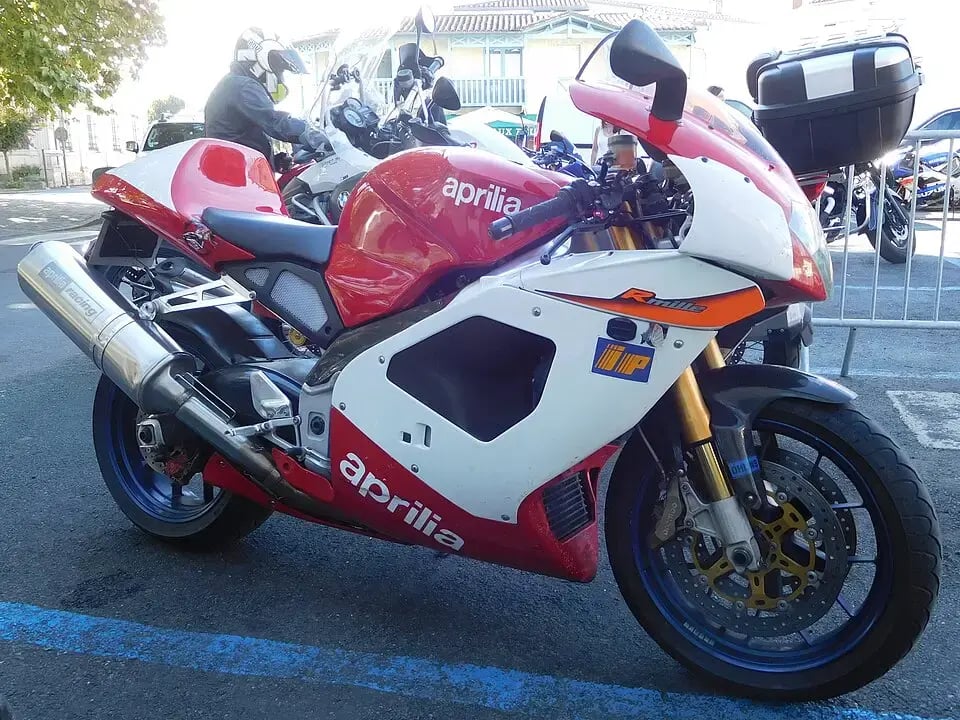
First-generation RSV Mille production ran from 1998 to 2003, with 2001 examples now eligible. The 60-degree V-twin engine in the RSV Mille is one of the more characterful powerplants of the period and shares nothing with the Japanese competition of the era.
Already Well Within the Window: Pre-1996 Classics
Any motorcycle manufactured before 1996 is now more than 30 years old and well clear of the eligibility threshold. This includes:
-
Honda CB series through the late 1980s and early 1990s
-
Kawasaki ZX-series Ninjas through the early 1990s
-
Yamaha FZR series (ended mid-1990s -- fully eligible) and YZF1000R Thunderace (1996 to 2003 -- 1996 to 2001 examples fully eligible, later examples approaching eligibility)
-
Ducati 916 (1994 to 1998 production) -- fully eligible with no age questions
-
Any two-stroke road motorcycle from the 1980s or early 1990s
Also now fully eligible: the Honda RC45 (1994 to 1999) -- all examples have crossed the 25-year threshold, with the final 1999 production units having become eligible in 2024.
The Section 232 Interaction: Where the Duty Question Gets More Complicated
In April 2025, the US imposed a 25% Section 232 tariff on imports of certain motor vehicles. The treatment of motorcycles under Section 232 depends on the specific HTS subheading and CBP classification for the individual vehicle -- motorcycles are categorised separately from passenger vehicles in the HTS, and their Section 232 exposure should be confirmed with a licensed customs broker before shipping.
Where the 25-year rule does provide direct duty protection is through HTS 9903.94.04, which exempts vehicles 25 years or older from Section 232 tariffs. For classic motorcycles that would otherwise fall within the Section 232 scope, this exemption is financially meaningful -- a 25% tariff on a $20,000 Ducati 996 amounts to $5,000, which the exemption eliminates entirely.
For motorcycles that do not qualify for the 25-year exemption, the base HTS duty rates for motorcycles are free for most displacement categories, but Section 232 applicability adds a layer of uncertainty that requires broker confirmation.
Tariff rates and Section 232 applicability are subject to change by executive action. Verify current rates with your customs broker and the USITC tariff database before shipping.
What Disqualifies a Bike from the 25-Year Exemption
The exemption can be lost or complicated by factors that buyers sometimes overlook.
Modifications That Affect Exemption Status
A motorcycle that has been significantly modified from its original manufactured configuration may not qualify for the compliance exemption in the same straightforward way as an unmodified example. NHTSA's position is that the exemption applies to the vehicle as manufactured -- if a buyer has materially altered the frame, engine, or VIN-bearing components, the compliance exemption basis becomes less clear.
This does not mean modified bikes cannot be imported. It means the compliance status of a heavily modified example requires more careful assessment, and a customs broker or compliance specialist should be consulted before purchasing a significantly modified classic.
Salvage and Rebuilt Titles
A motorcycle with a salvage or rebuilt title from its country of origin may face additional scrutiny at US customs regardless of age. Some customs authorities request additional documentation to establish the vehicle's identity and value when the title indicates a prior total loss. This is not a categorical bar to import, but it is a variable worth knowing about before bidding.
VIN Verification
US customs requires that the VIN on the imported motorcycle matches the documentation exactly. Discrepancies between the VIN on the physical bike, the title document, and the shipping documentation are a common source of clearance delays. Verify the VIN before purchase, particularly for Japanese-market bikes where the chassis number format may differ from a standard 17-character US VIN.
Why West Coast Shipping for Your Classic Motorcycle Import
Importing a classic motorcycle under the 25-year rule removes the compliance barriers -- but the shipping itself still needs to be handled by a company that knows what it is doing with a vintage or collector bike. That means secure container loading, correct export documentation from the US side, and an account manager who understands the difference between a daily commuter and a 2001 Ducati 996.
West Coast Shipping has been managing international motorcycle shipments for over 17 years. Every classic bike shipment is handled in-house by a dedicated account manager, with no third-party handoffs between your door and the destination port. Container consolidation keeps costs significantly lower than a dedicated container while providing the enclosed, protected environment that a collector motorcycle needs for an ocean crossing.
WCS operates from warehouse facilities in California, Florida, and New Jersey, covering both Pacific and Atlantic shipping routes. For Japanese classics, the California warehouse is the most efficient receiving point. For European bikes, the New Jersey facility serves East Coast and transatlantic routes well.
For a full overview of shipping methods, rates, and container options, Internacional Motorcycle Shipping Page covers everything on the logistics side. For the broader context on motorcycle tariffs by origin country and the relocation exemption framework, the complete motorcycle shipping guide covers those topics in detail.
25-Year Rule Eligibility: Quick Reference Summary
Currently eligible (manufactured 2001 or earlier as of 2026):
-
All motorcycles with a documented manufacture date of 2001 or before
-
FMVSS and EPA compliance exemption applies
-
HTS 9903.94.04 Section 232 exemption applies
What the exemption covers:
-
No requirement to meet FMVSS safety standards
-
No requirement to meet EPA emissions standards
-
Section 232 tariff exemption (for qualifying HTS subheadings)
What the exemption does not cover:
-
Base import duty rates (already free for most motorcycle displacement categories)
-
State-level registration requirements
-
California CARB rules for bikes registered in California
Key verification steps before purchasing:
-
Confirm the manufacture date on the title document (not just the model year)
-
Check the VIN against all documentation
-
Confirm Section 232 applicability for your specific HTS subheading with a customs broker
-
Verify any modification history that could affect compliance status
Ready to Ship Your Classic Motorcycle?
Get an Instant Quote for Your Motorcycle Shipment
Use the WCS shipping calculator to see current rates for your specific bike, shipping route, and destination port.

Spain Car Import: Residency vs. Tourist Rules for US Drivers
Why German Car Imports Are Shifting in 2026: Key Opportunities