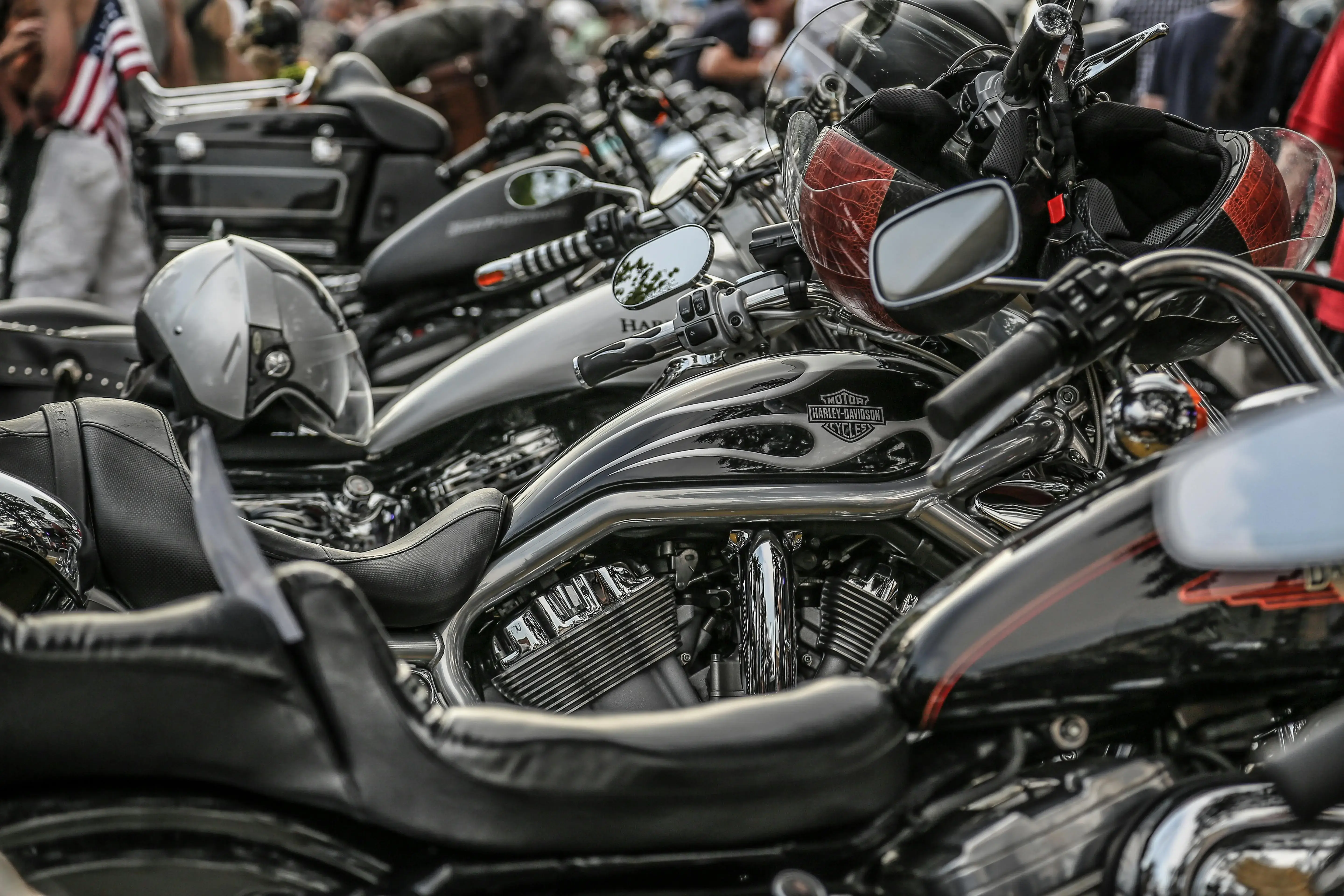

For collectors and enthusiasts, European motorcycle shows and auctions represent both a showcase opportunity and a buying environment like nowhere else. Whether you are sending a rare American bike to a European show or arranging export for a classic you just bought at a UK auction, the logistics matter as much as the bike itself.
West Coast Shipping specializes in getting motorcycles to and from major events without the stress of last-minute documentation problems or terminal delays. The international motorcycle shipping rates page outlines how routes, methods, and timing affect overall cost and arrival windows for show-ready bikes.wcshipping
Why ship a vintage motorcycle to a European show?
European events attract collectors, restorers, dealers, and media from across the continent and beyond. Bringing your bike to the right show can mean exposure to buyers you would never reach through US listings, plus the chance to benchmark your restoration against some of the most respected builds in the world.
Common reasons collectors choose European shows include:
-
Auction visibility: Many high-value vintage motorcycles change hands at European auctions, where international bidders influence price and demand.
-
Show recognition: Events across Germany, France, the UK, Belgium, and Italy put American and Japanese classics in front of enthusiasts who actively seek rare models and high-quality restorations.
-
Networking and sourcing: Time with European dealers, restorers, and other collectors can lead to future projects and cross-border deals.
West Coast Shipping’s article on temporary imports for muscle cars at international events shows how carnets and bonds support short-term, event-focused moves; motorcycles make use of many of the same temporary-admission tools when traveling for shows and auctions.
Planning to exhibit or sell a vintage motorcycle in Europe? This guide walks through the logistics of shipping bikes to European shows and auctions, from export prep to return planning:
Shipping Your Vintage Motorcycle to European Shows & Auctions
Carnets, temporary imports, and duty relief
When a vintage motorcycle enters Europe for a show or auction with the intention of returning afterward, temporary-admission frameworks allow you to exhibit or sell the bike while managing duties and taxes. The objective is to match the customs treatment to the limited duration and purpose of the trip rather than a full permanent import.
Two commonly used tools in event scenarios are:
-
Carnet de Passages (CPD): An international customs document that functions like a passport for vehicles, used in many countries to facilitate temporary entry without immediate duty and tax payment, typically issued with validity of up to about 12 months depending on the issuing organization and local customs rules.
-
Temporary Importation Under Bond (TIB) for US-bound moves: A US Customs and Border Protection framework that can be used for temporary entry of goods into the United States in specific scenarios (such as trade shows, exhibitions, or racing), subject to bond requirements, time limits, and strict conditions on re-export or lawful disposal under CBP regulations.
West Coast Shipping works with customs brokers and event agents so that carnet or TIB usage, event dates, and re-export plans are coordinated from booking through return.
Container vs air freight for event shipping
Timing is critical when your motorcycle must arrive before a show opens or before an auction check-in deadline. Container shipping is often the most cost-efficient option when planned in advance, while air freight offers faster transit at higher cost and is sometimes chosen for tight timelines or particularly valuable bikes.
To give a planning sense—not a quote or guarantee—here are illustrative example scenarios West Coast Shipping has seen for New York–origin moves to Europe:
-
By ocean container (illustrative examples only):
-
New York to Southampton: planning scenario around $1,150, with approximate ocean transit of roughly 14–16 days once the vessel departs.
-
New York to Barcelona: planning scenario around $2,500, with approximate ocean transit of roughly 27 days once the vessel departs.
-
New York to Genoa: planning scenario around $1,400, with approximate ocean transit of roughly 17–23 days once the vessel departs.
-
-
By air (illustrative examples only):
-
New York to Barcelona: planning scenario around $3,750, with indicative end-to-end timing of about 10–14 days end-to-end timing.
-
New York to Southampton: planning scenario around $3,250, with indicative 10–14 day end-to-end timing under typical conditions.
-
New York to Helsinki: planning scenario around $3,250, with indicative 10–14 day end-to-end timing.
-
These illustrations are for orientation only; actual pricing and total timing vary by season, fuel surcharges, consolidation cutoffs, specific carrier schedules, and origin/destination handling arrangements, so the international motorcycle shipping rates page and live quotes remain the authoritative source for current numbers.
The specialty cargo container shipping guide explains how motorcycles are positioned, blocked, and secured alongside other vehicles to use container space effectively and protect each bike.
Crating, securing, and handling for high-value bikes
Vintage and rare motorcycles heading to shows benefit from packaging that is tailored to their value and fragility. Judges, buyers, and photographers expect bikes to arrive in presentation-ready condition, which requires careful crating, correct weight distribution, and experienced motorcycle handlers.
Practical measures for event-bound motorcycles include:
-
Custom wood crates or professional pallets: Sized to the motorcycle with internal blocking, wheel chocks, and soft padding on fairings, levers, and other contact points.
-
Fluid and battery preparation: Fuel reduced or drained to carrier-compliant levels, batteries disconnected or removed where necessary under carrier and airport/port rules.
-
Thorough condition documentation: High-resolution photos and a written condition report before crating to support inspection on arrival.
-
Removal or securement of loose accessories: Screens, mirrors, luggage, and add-on parts either removed and packed separately or tightly secured.
West Coast Shipping’s guide on crating motorcycles to Belgium demonstrates the crating process and highlights preparation steps that significantly reduce in-transit damage risks.
Coordinating with show organizers and auction houses
Event logistics often involve specific receiving windows, nominated freight partners, and customs arrangements that differ from everyday imports. Missing an intake window or using the wrong on-site handler can delay bikes in storage while the show or auction goes ahead.
When planning a shipment to a European event, consider:
-
Published freight deadlines: Shows and auctions typically publish latest delivery dates for freight; containers and air freight should be booked to arrive well ahead of those cutoffs.
-
Where the bike is actually received: Some venues require deliveries through a central depot or nominated logistics provider rather than directly to the hall or paddock.
-
How customs is handled on site: Clarify whether the event’s nominated customs broker will assist with carnet endorsements, export declarations, or temporary-admission procedures.
West Coast Shipping and its European partners work with these event structures regularly and can align vessel schedules, port handling, and venue delivery with show or auction calendars.
Return Shipping Made Easy: Bringing Your Motorcycle Home
Getting your vintage bike to Europe is only half the journey. Whether you displayed it, offered it at auction, or used it for a season of touring, eventually it needs to return home or move on to another buyer. Return logistics can become costly if re-export, consolidation, and customs are treated as an afterthought instead of part of the original plan.
West Coast Shipping’s UK car and motorcycle timelines guide illustrates how outbound and inbound sailings can be paired to keep gaps and storage times manageable.
Planning the return from day one
The most reliable return plans are built when the outbound shipment is booked. By considering return windows, the life cycle of temporary-admission tools, and consolidation capacity in advance, owners can avoid paying for long-term storage or last-minute premium options.
Return-planning elements that are worth locking in early include:
-
Target return window instead of a single date: Select a band of weeks, then ask West Coast Shipping to explore scheduled consolidation options that fall within that band.
-
Temporary-admission lifetimes: Track carnet or European temporary-import timelines to ensure your chosen return sailing leaves enough margin for export clearance and port operations before expiry.
-
Consistency of partners: Where possible, use the same European agent for arrival, storage, and re-export so documentation and communication stay centralized.
The Europe-to-U.S. car import cost and methods guide offers scenarios that illustrate how return-leg costs and schedules vary by lane and method, a pattern that also applies to motorcycles.
Planning to bring your motorcycle back from Europe? This article walks through the return-shipping process for vintage bikes, from export closure to U.S. re-entry considerations:
Return Motorcycle Shipping from Europe: Easy Vintage Bike Guide
Re-export documentation and customs clearance
On the way back, your motorcycle must clear export customs in the departure country and then clear US customs on arrival. If a carnet or similar temporary-admission mechanism was used for entry, proper exit stamping and closure are important to avoid unexpected claims or bond issues.
Typical pieces in the return paperwork puzzle include:
-
Carnet (if used) exit verification: Customs endorsements when leaving the temporary-import country and, ultimately, when the carnet is discharged.
-
European export declarations: Filed by the local agent, referencing the bike’s VIN/chassis number and crate details.
-
US entry filings: CBP entries that classify the bike correctly as either a returning US property or a fresh import, depending on its history and ownership.
Bringing the same customs broker or agent into the loop for both outbound and return legs helps ensure all these steps are tracked and completed on time.
Container consolidation for the return
Most classic motorcycles heading back from Europe travel in consolidated containers alongside other bikes and vehicles. This approach spreads fixed container and handling costs across multiple shipments and relies on scheduled consolidations, which may be more or less frequent depending on the route and season.
Advantages of using West Coast Shipping’s consolidation model include:
-
Shared cost structure: You pay for the space and handling your crated bike requires instead of a full container.
-
Scheduled consolidations rather than ad-hoc departures: Groupage services assemble loads from multiple customers into containers, with availability and timing varying by lane and time of year.
-
Motorcycle-focused handling teams: Crating, blocking, and securing are performed by personnel used to motorcycle shipments, not just generic freight.
The bulk motorcycle shipping solutions article describes how dealers and collectors use this setup when moving several bikes, and single-bike shipments benefit from the same infrastructure.
US customs, EPA/DOT, and older bikes
When a motorcycle enters or re-enters the US, customs authorities look at ownership, value, origin, and regulatory status. Older motorcycles often fit more easily into existing exemption or reduced-burden frameworks than newer ones, but those frameworks are not identical across all US agencies.
Important distinctions to understand include:
-
DOT/NHTSA: Vehicle safety standards can be waived for vehicles that are 25 years old or older, calculated from the date of manufacture, which is why the “25-year rule” is frequently mentioned in US import discussions.
-
EPA: Uses its own age-based criteria and conditions; many older, unmodified vehicles can qualify for more flexible treatment, but the specific requirements and age thresholds differ from DOT’s, so each case needs to be checked against current EPA guidance.
-
Documentation needs remain: Titles, registrations, and declarations must reflect whether the bike is a returning US vehicle or a new import, with filings usually handled by a customs broker or the shipping company’s partners.
West Coast Shipping’s vintage motorcycle tariff exemptions guide uses motorcycle examples to show how various 25-, 30-, and 40-year age thresholds in different markets interact with customs and tax rules.
5 Classic Motorcycles Collectors Often Ship Between the U.S. and Europe
Age-based import rules are one factor among many that shape which motorcycles enthusiasts consider for transatlantic moves. Rather than a single “25-year rule” for Europe, different jurisdictions apply their own thresholds and definitions for classics, while US law often focuses on the 25-year DOT benchmark alongside other age-based regimes.
The examples below reflect model families that enthusiasts and market watchers often talk about in connection with age-based strategies and cross-border opportunities, not legal advice or a definitive list for every country.
For collectors considering older motorcycles, this guide highlights popular age-eligible models and explains how import rules and shipping logistics typically factor into European moves:
Top 5 “25-Year Rule” Motorcycles to Import to Europe
1. Late-1990s Honda CBR900RR (FireBlade)
Honda’s late-1990s FireBlade is a recurring topic in discussions about collectible sport bikes that have crossed key age thresholds. Observers note that clean, relatively stock examples appear with increasing frequency in both US and European auction catalogs and classifieds.
Reasons enthusiasts keep an eye on this family include:
-
Maturing age profile: Many late-1990s FireBlades now meet or exceed the 25-year mark relevant for US safety exemptions, while also being old enough to be seen as modern classics in several European markets.
-
Limited surviving stock in original condition: Period modifications and heavy use mean that well-preserved bikes stand out.
-
Broad appeal: The combination of performance, reliability, and history makes the FireBlade attractive to both riders and collectors.
West Coast Shipping’s motorcycle tariff impact article discusses broader patterns in how duties and age thresholds influence which sport bikes attract the most cross-border interest.
2. 1980s–1990s BMW R100GS and R80GS
BMW’s air-cooled GS series—especially R100GS and R80GS variants—is often cited as a “sweet spot” for adventure classics. Riders and collectors appreciate their long-distance capability and mechanical simplicity, and many examples now qualify as older classics under multiple age-based frameworks.
Why these GS models frequently appear in shipping conversations:
-
Well beyond 25 years: Many examples are 30 years old or more, fitting into a range of classic and vintage classifications.
-
Strong support networks: Parts availability and an active owner community make them practical imports for long-term use.
- Demand on both sides of the Atlantic: Buyers in Europe and the US both look for rust-free, well-maintained GS models, which can motivate cross-border sourcing.
The vintage motorcycle loophole article uses BMW and similar bikes to illustrate how 30+ year thresholds can affect tax or classification in various markets.
3. Ducati 916, 996, and 998
Ducati’s 916-family superbikes are a staple of conversations about collectible machines that have “aged into” classic status. As more production years pass or approach the 25-year mark, enthusiasts are increasingly open to cross-border purchases when the right specification appears.
Factors that keep these Ducatis on shipping shortlists include:
-
Design and competition pedigree: The 916 line is widely regarded as one of the most beautiful and successful superbike families of its era.
-
Special variants: SPS and limited editions can justify the additional costs of international shipping when condition and provenance are strong.
-
Existing collector interest in both regions: Demand in Europe, the UK, and North America creates room for bikes to move where prices and availability align.
Cost planning using the international motorcycle shipping rates page helps enthusiasts weigh whether a given Ducati’s price and condition make a transatlantic purchase worthwhile.
4. 1980s Japanese two-stroke sport bikes
Two-stroke sport bikes from the 1980s—such as Yamaha’s RD and RZ series or comparable Honda and Suzuki models—are frequently highlighted in vintage motorcycle media and forums. Many of these bikes were sold in limited numbers or never officially imported into certain markets.
Why they often come up in age-based import contexts:
-
Firmly classic: With production decades behind them, these bikes comfortably exceed commonly referenced 25- and 30-year thresholds.
-
Niche but passionate demand: Enthusiasts often search overseas when domestic supply is thin or heavily modified.
-
Manageable shipping footprint: Compared with large touring or cruiser bikes, smaller two-strokes can be easier to crate and consolidate.
The specialty cargo container guide shows how multiple compact bikes can be loaded together, an approach many two-stroke collectors use when moving several machines at once.
5. 1970s–1980s Harley-Davidson FLH and FX-series models
Classic Harley-Davidson FLH touring models and FX-series customs from the 1970s and 1980s are regularly mentioned when people talk about US-to-Europe motorcycle exports. For many European buyers, US-sourced Harleys carry particular appeal because of their history and cultural associations.
Reasons these Harleys remain popular international candidates include:
-
Long-established classic status: Many examples are now several decades old, fitting comfortably into vintage categories for clubs, shows, and rallies.
-
High visibility at events: European rallies and shows often feature Harley-focused segments, which supports ongoing interest.
-
Strong aftermarket and restoration ecosystem: A global supply of parts and custom shops reduces the risk of owning and restoring an imported bike.
West Coast Shipping’s temporary imports for international events guide provides a template for planning Harley trips built around rallies or shows, using temporary-admission tools when a bike is expected to return to its home market.
Calculate Your Vintage Motorcycle Shipping Cost
Once you understand how show logistics, return planning, and age-based rules intersect, the next step is to plug in your specific bike, route, and timeline. Add your call-to-action button here so readers can open West Coast Shipping’s international motorcycle shipping rates page, compare current container and air options from their location to key European ports, and work with the team to schedule crating, consolidation, and documentation for their next vintage motorcycle shipment.

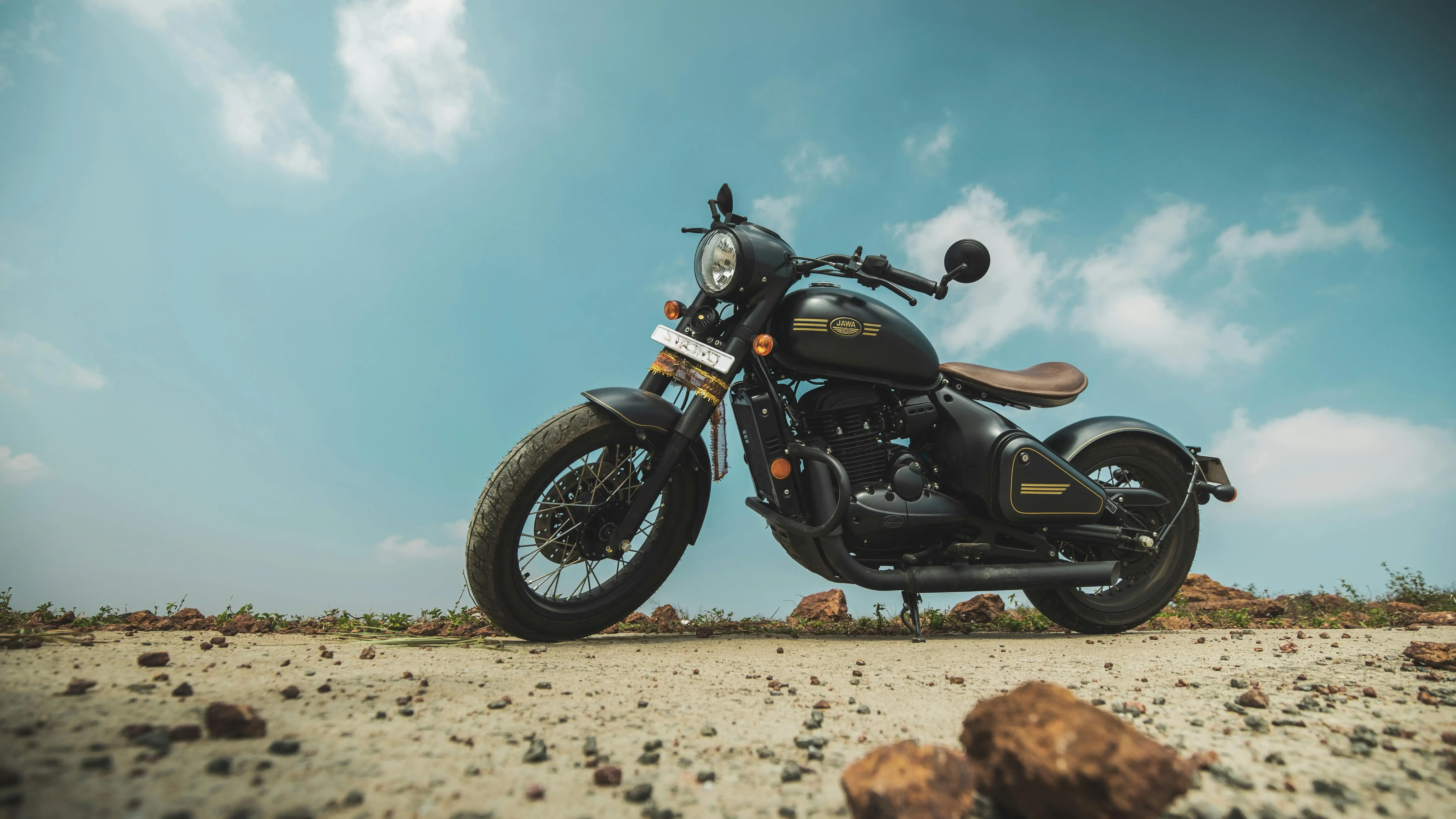
Shipping Your Vintage Motorcycle To European Shows & Auctions

Return Motorcycle Shipping From Europe: Easy Vintage Bike Guide