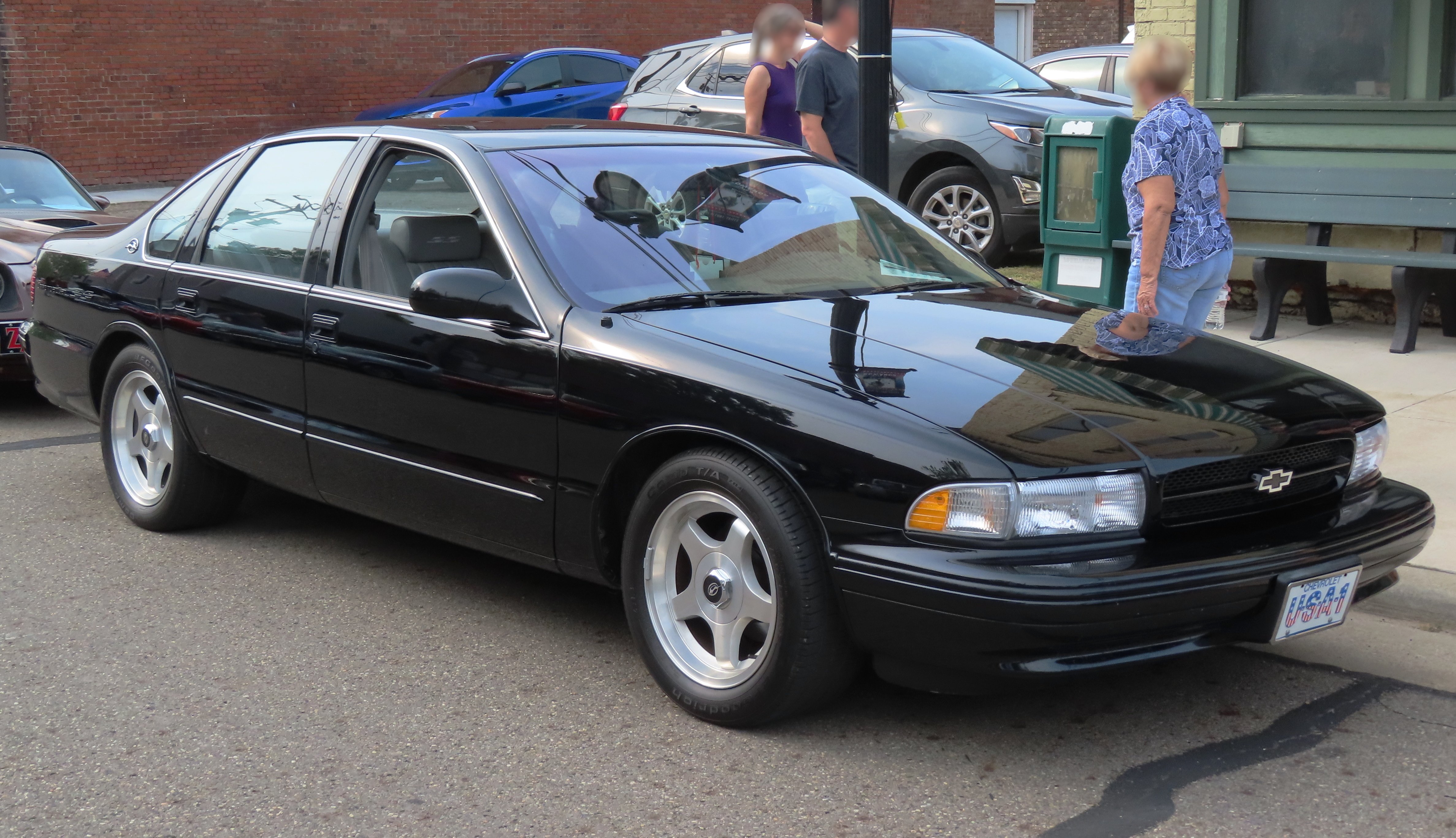
Germany's 30-year rule rewards two things: the date a car first went into service and how original it still is. Horsepower doesn't count. Get those two right and an American classic enters at no duty and 7% import VAT. Get them wrong and the same car pays 10% duty and 19% VAT.
Our view: buy the most original 1990s car you can find, not the fastest one. Below are six American cars that fit the rule now or will soon, what the German side checks, and what the trip from the US costs.
By the Numbers
- No duty and 7% import VAT for a car German Customs classes as a collectors' item (heading 9705), against 10% duty and 19% VAT for a normal car (our rates table; UStG § 12 and Anlage 2 Nr. 54).
- $7,432.90: the tax difference on a $30,000 car shipped from New Jersey to Bremerhaven for $1,100 (worked example below).
- New Jersey to Bremerhaven: $1,100 in a shared container, 30-33 days. Texas: $1,250, 24 days. Florida: $1,225, 31-34 days. California: $1,850, 40-45 days (our calculator, October 2026).
- EUR 600 to EUR 650 in Bremerhaven destination charges per car (our calculator).
The 30-Year Rule in Germany: Two Tests, Not One
The H-Kennzeichen (historic plate) follows § 2 Nr. 22 FZV. The car must have first gone into service at least 30 years before its assessment, be largely original, be in good condition and serve the preservation of automotive heritage. § 23 StVZO requires a Gutachten from an officially recognized inspector, including an inspection to the scope of a Hauptuntersuchung.
The tax side is a separate decision by German Customs: is the car a collectors' item of historical value under heading 9705? That decision unlocks no duty and the 7% import VAT (UStG § 12 Abs. 2 Nr. 1 with Anlage 2 Nr. 54). Expect the customs officer to look at the same things as the inspector: age, originality and condition. A car first registered in October 1996 reaches 30 years in October 2026, not on January 1.
The tax on a $30,000 car
A simplified example: customs value is the price plus freight to the EU border. With the $1,100 New Jersey to Bremerhaven rate, that is $31,100.
- Collectors' item: 7% VAT, $2,177.
- Normal car: 10% duty ($3,110), then 19% VAT on $34,210 ($6,499.90), $9,609.90 in total.
- US-built car granted the EU 0% duty (Regulation (EU) 2026/1455, from July 1 2026): 19% VAT, $5,909. The customs office decides whether to grant it, and current guidance ties it to a certificate of origin, which a 30-year-old car rarely has.
The gap between the first two lines is $7,432.90, more than six times the freight. That is why we tell buyers to spend on originality before they spend on horsepower.
Six American Cars That Fit the Rule
1. Ford Mustang SVT Cobra (1995)
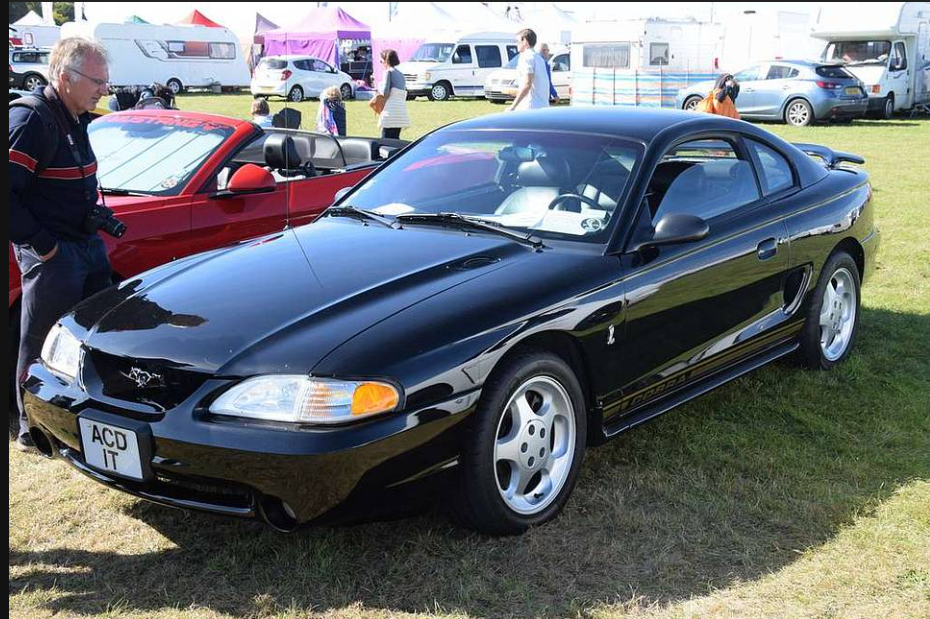
1995 was the last year of the 5.0 pushrod V8 in the Mustang: Ford retired it for 1996. Ford's Special Vehicle Team built 4,005 Cobra coupes, 1,003 convertibles and 250 Cobra R coupes that year. The regular car was rated at 240 hp, the R at 300 hp (Wikipedia, Ford Mustang SVT Cobra).
Our take: this is the American car most likely to pass both German tests as delivered, because so many owners kept them stock. Most 1995 cars crossed 30 years during 2025. Pick a documented coupe over a modified R. Our SVT Cobra buying guide covers what to check.
2. Chevrolet Impala SS (1994-1996)
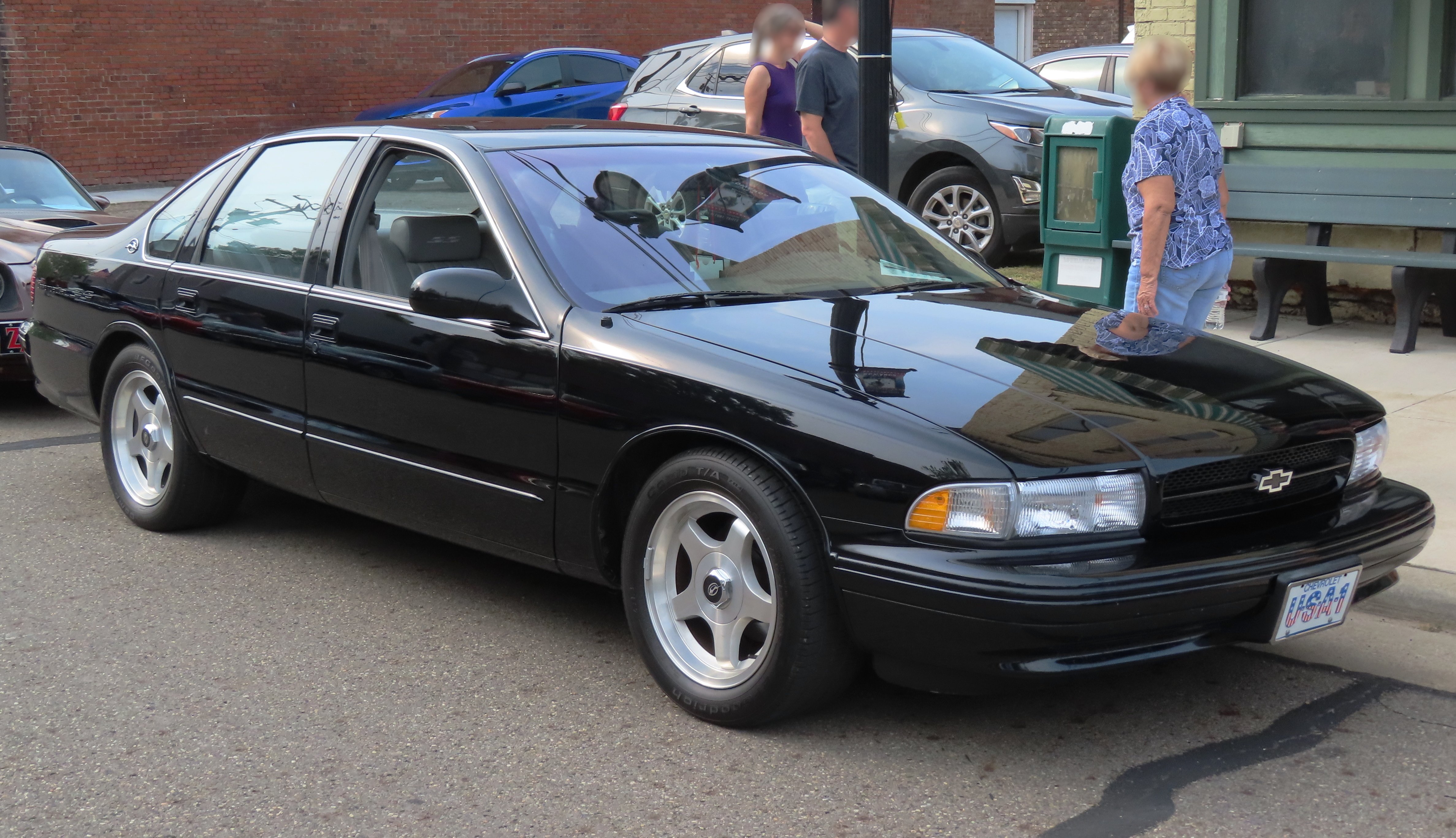
Chevrolet sold the Impala SS from 1994 to 1996 as a 5.7-liter V8 version of the Caprice Classic sedan. Its LT1 V8 is the same engine family as the Roadmaster's below, rated at 260 hp from 1994.
Our take: the 1996 cars are crossing the line now, one by one, as their first-registration anniversaries pass. Ask the seller for the in-service date before you bid, not after. Our Impala SS buying guide lists the checks.
3. Buick Roadmaster Estate Wagon (1994-1996)
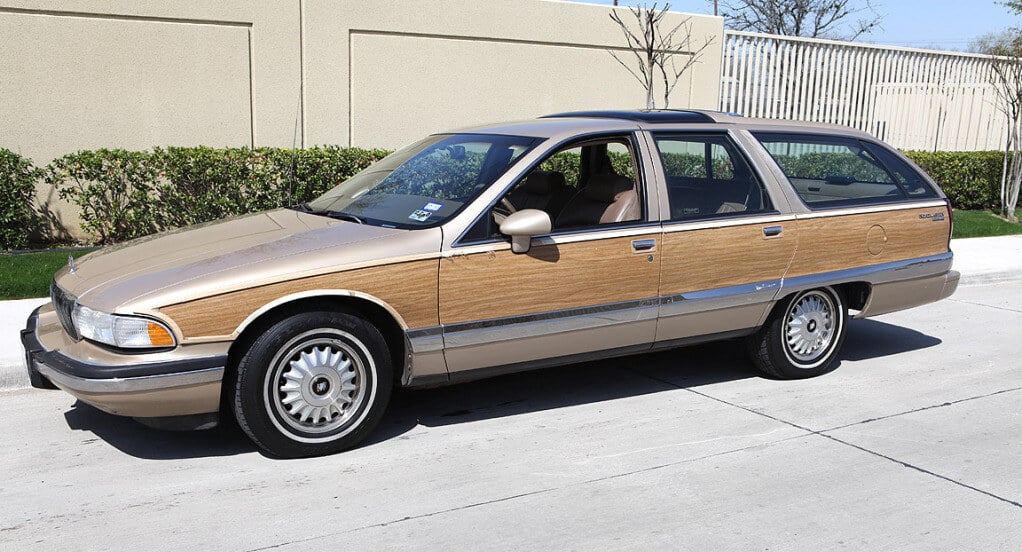
From 1994 the Roadmaster took a modified LT1 V8 with 260 hp, and the 1994 to 1996 cars are rated to tow 5,000 pounds. Buick built the Estate wagon through 1996 (Wikipedia, Buick Roadmaster).
Our take: a woodgrain wagon at a German Oldtimer meet does more for the American car scene than another Mustang. Original wood trim and interior matter here, since the inspector judges originality and a re-trimmed car is harder to argue. See the Roadmaster Estate buying guide.
4. GMC Syclone (1991)
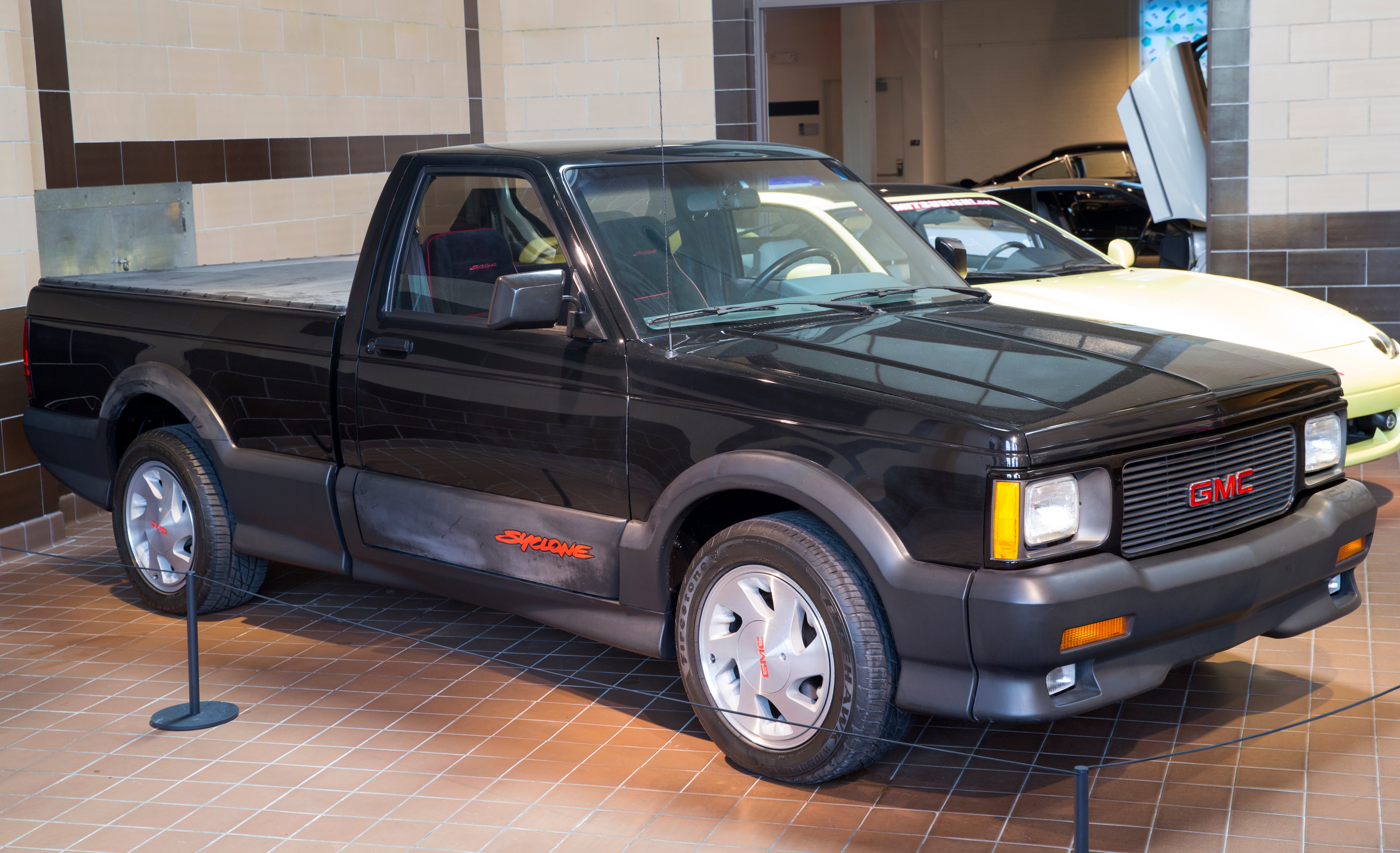
GMC built 2,995 Syclones in 1991 and 3 in 1992: a compact pickup with a 280 hp turbocharged 4.3 V6 and all-wheel drive. Car and Driver timed one at 5.3 seconds to 60 mph (Wikipedia, GMC Syclone).
Our take: it is past 30 years and rare, but buy only a stock one. Raised boost or an aftermarket intercooler is exactly what makes an inspector doubt originality. If the truck has been modified, budget for putting it back before it ships.
5. Lincoln Town Car (1990s)
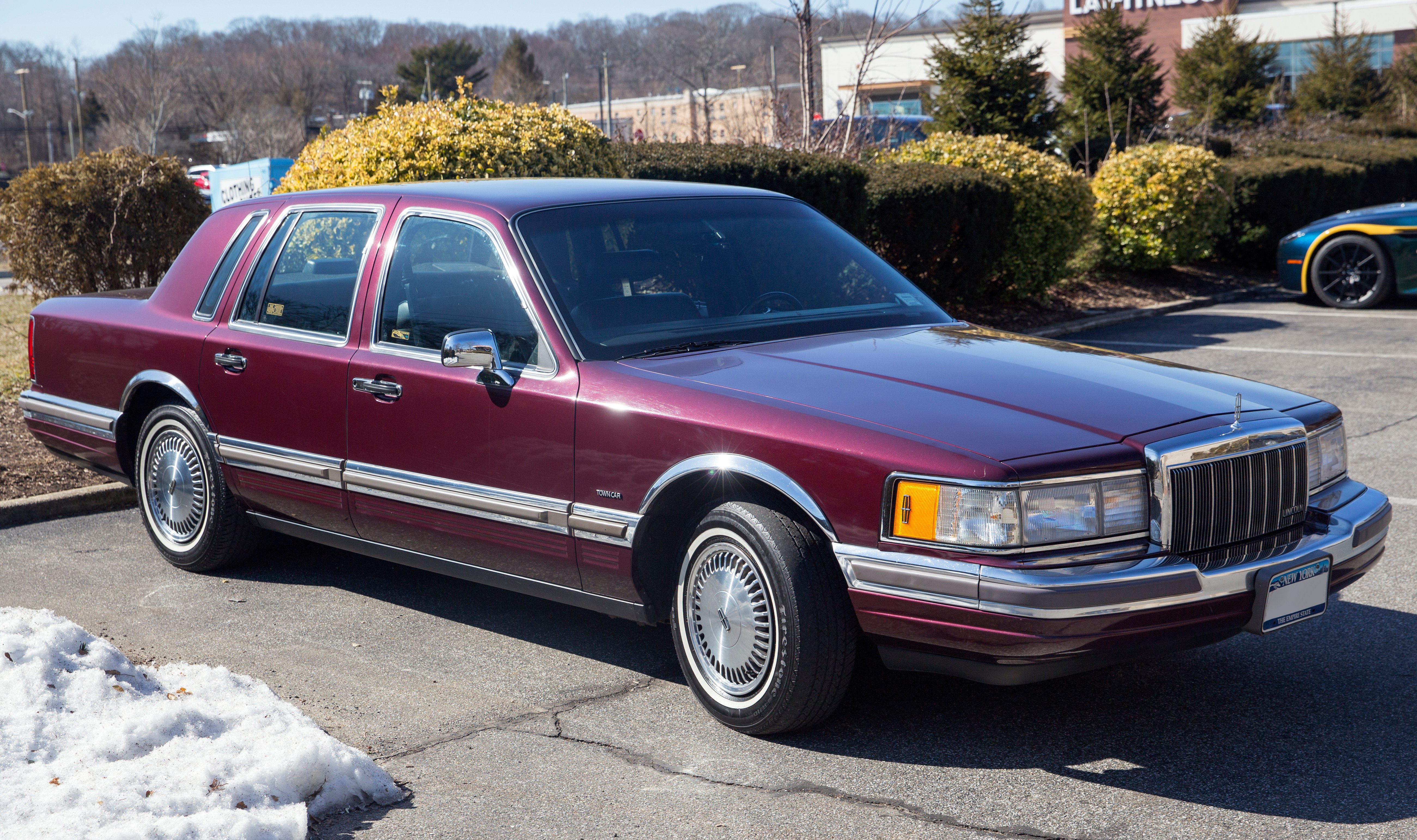
The Town Car is on this list for comfort, not speed. It is the softest-riding car here and one of the easiest to find unmodified, because few owners changed them.
Our take: for a buyer who wants an H plate on a budget, a low-mileage Town Car with service records makes for a simple assessment. Check the in-service date on the later cars. Our Town Car buying guide has the details.
6. Pontiac Firebird Trans Am (1993-1996)
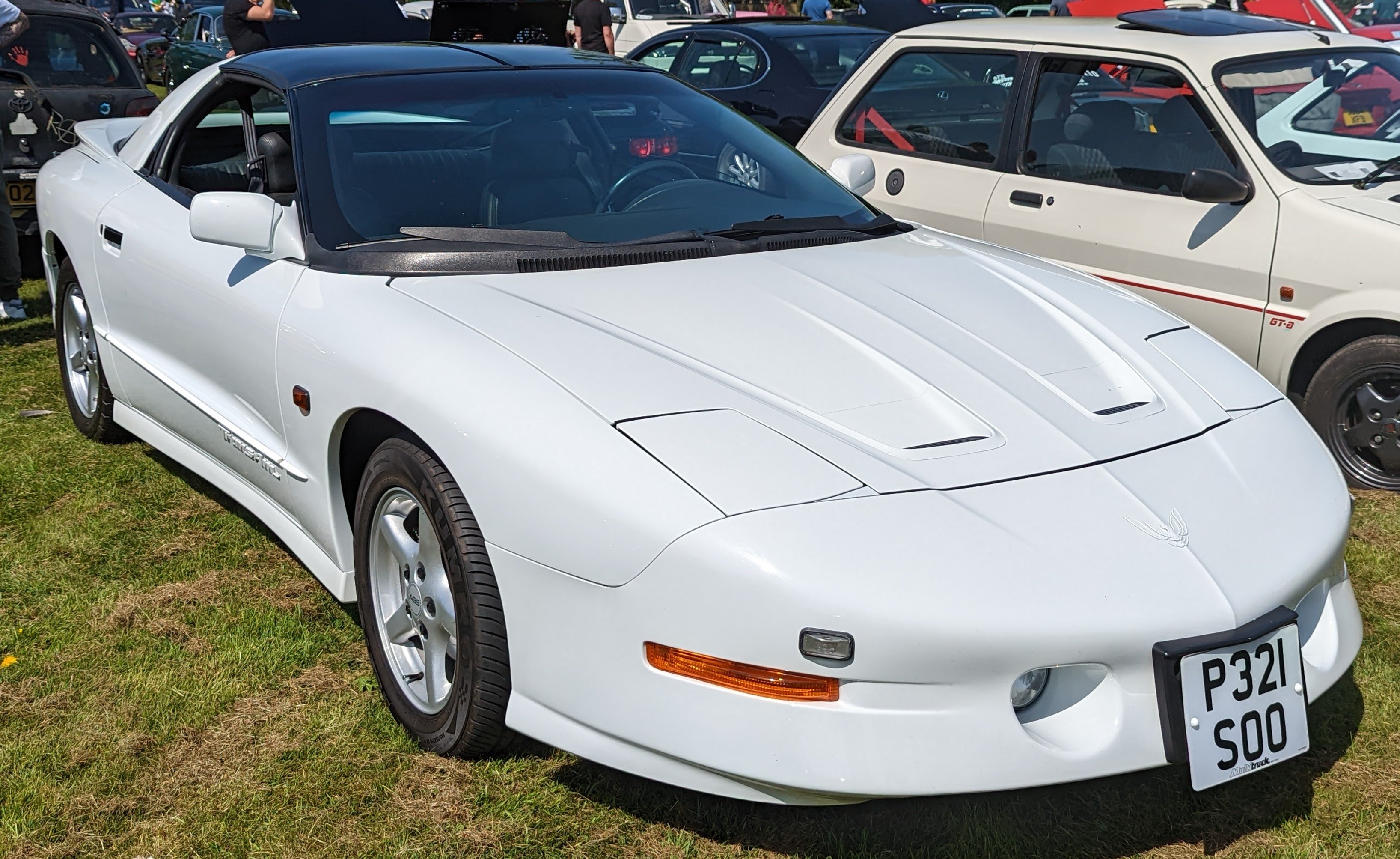
The fourth-generation Firebird arrived for 1993 with the LT1 V8, the same engine family as the Impala SS and Roadmaster. The 1993 to 1996 cars cross the 30-year line in order.
Our take: the Trans Am is the easiest car here to find and the hardest to find original. Pay more for a stock car with its original wheels and lights. Headlight and side-marker changes are the usual TÜV work on an American car anyway, and you want that to be the only work. Our Trans Am buying guide covers it.
Shipping a Classic to Germany
We run our own warehouses in California, Florida and New Jersey, covering all of the US for imports and exports. Our own team loads every car and handles every document, and we ship door to door, by ocean or by air.
From our calculator in October 2026: New Jersey $1,100, 30-33 days · Texas $1,250, 24 days · Florida $1,225, 31-34 days · California $1,850, 40-45 days, plus EUR 600 to EUR 650 in Bremerhaven. We would put a classic in a container, not on a RoRo deck, so it travels braced and enclosed. Air suits a firm event date; ask us for a quote. See how to ship a car to Germany and how we ship a collector car.
Documents German Customs and the TÜV Ask For
- The US title, which goes to US Customs before export: the title plus 2 copies, 72 hours ahead of the car (19 CFR 192.2).
- The bill of sale with the price paid, which sets the customs value.
- Proof of the build and first-registration dates: the door-jamb build label, the original window sticker or the registration history.
- Service records and photos of original parts, for the originality question.
After customs, the car needs a TÜV inspection, the § 23 Oldtimer Gutachten for the H plate and registration at the local Zulassungsstelle. Our TÜV guide for American cars goes item by item, and our German duty analysis covers newer cars.
FAQ
Do American classics pay import duty in Germany?
A car German Customs classes as a collectors' item of historical value (heading 9705) pays no duty and 7% import VAT. Other cars pay 10% duty and 19% VAT, unless a US-built car is granted the EU 0% duty under Regulation (EU) 2026/1455.
When does a 1996 car reach 30 years for the H plate?
The H plate counts from the date the car first went into service, under § 2 Nr. 22 FZV. A car first registered in October 1996 reaches 30 years in October 2026.
What does the H-Kennzeichen require?
At least 30 years since first registration, a largely original car in good condition, and a Gutachten from an officially recognized inspector under § 23 StVZO, including an inspection to the scope of a Hauptuntersuchung.
How much does it cost to ship a car from the US to Germany?
In our calculator, a car in a shared container costs $1,100 from New Jersey to Bremerhaven (30-33 days), $1,250 from Texas (24 days), $1,225 from Florida (31-34 days) and $1,850 from California (40-45 days). Bremerhaven charges are EUR 600 to EUR 650.
Does a modified muscle car still qualify?
The H plate requires a largely original car, and the customs classification looks at originality too. Engine and body modifications put both at risk, so ask the inspector before you ship.
More Germany and Muscle Car Guides
- Car shipping to Germany
- How to ship a car from the USA to Germany
- TÜV inspection guide for American cars
- German import duty on newer US cars
- 1995 Mustang SVT Cobra buying guide
- Impala SS buying guide
- American muscle cars in the UK
Ready to bring your American classic to Germany?
Bought it at a US auction or at a sale abroad? We can quote the trip to Germany door to door. Check your lane in our shipping calculator or contact our Germany team for a quote.
It's your dream car. Let's bring her home.


Import a Car from the USA to Europe: Euro vs Dollar | 2026

70s Cars: The 6 Best 1970 American Classics & Values | 2026