
Disclosure and disclaimer (February 2026): This article is provided by West Coast Shipping (WCS) as general informational and promotional content about WCS services. It is not legal, tax, import, customs, or compliance advice and does not create any client relationship. All regulatory references, model details, and market observations are illustrative summaries based on publicly available sources and WCS’s experience as understood in February 2026, and they may change without notice. Before buying or importing any motorcycle, always verify current requirements with US Customs and Border Protection (CBP), the Environmental Protection Agency (EPA), the Department of Transportation (DOT/NHTSA), and a licensed customs broker.
As more BMW R1150GS Adventure models pass the 25‑year threshold, US riders and collectors have increasingly turned to Germany to source European‑spec examples. The combination of over‑engineered durability, long‑range capability, and a strong adventure‑bike legacy has made the “GSA” one of the most desirable imports in the modern classic space.
This article explains why US buyers seek out European‑spec R1150GS Adventure bikes specifically from Germany, what sets them apart from other versions, and how they fit into the 25‑year rule discussed in West Coast Shipping’s main guide on classic BMW motorcycles and the 25‑year import & tariff rules. When you are ready to look at real costs and timelines, the international motorcycle shipping rates page shows how WCS crates and ships bikes from Europe to the USA.
How the 25‑Year Rule Opens the Door for the R1150GS Adventure
The first question many riders ask is simply: “Can I legally bring one in now?”
According to WCS’s summary of DOT and EPA practice in the USA 25‑year rule motorcycle guide, US law generally allows:
-
DOT exemption from FMVSS once a motorcycle is 25 years old, calculated from the month and year of manufacture.
-
More straightforward EPA treatment for older bikes in original configuration, avoiding the need to retrofit modern emissions systems.
As of 2026, this means:
-
R1150GS Adventure units built in 2001 are typically age‑eligible under the 25‑year rule at some point during 2026, depending on their exact build month.
-
Later Adventures (2002–2005 builds) will phase into eligibility between 2027 and 2030.
These age‑based exemptions are subject to federal regulatory updates and policy changes. Before buying or shipping any R1150GS Adventure, importers should confirm current DOT and EPA criteria directly with NHTSA and the Environmental Protection Agency, and ask a licensed customs broker how the bike will be declared on the latest HS‑7 and 3520‑1 forms.
Because US authorities focus on the build date, not just the model year printed on an advert or title, a proper import plan always includes a dating step:
-
Use BMW VIN decoding or a BMW Motorrad data card to confirm manufacture month and year.
-
For higher‑value imports, consider securing a dating certificate from a recognised BMW owners’ club or archive.
What Makes the European‑Spec R1150GS Adventure Special?
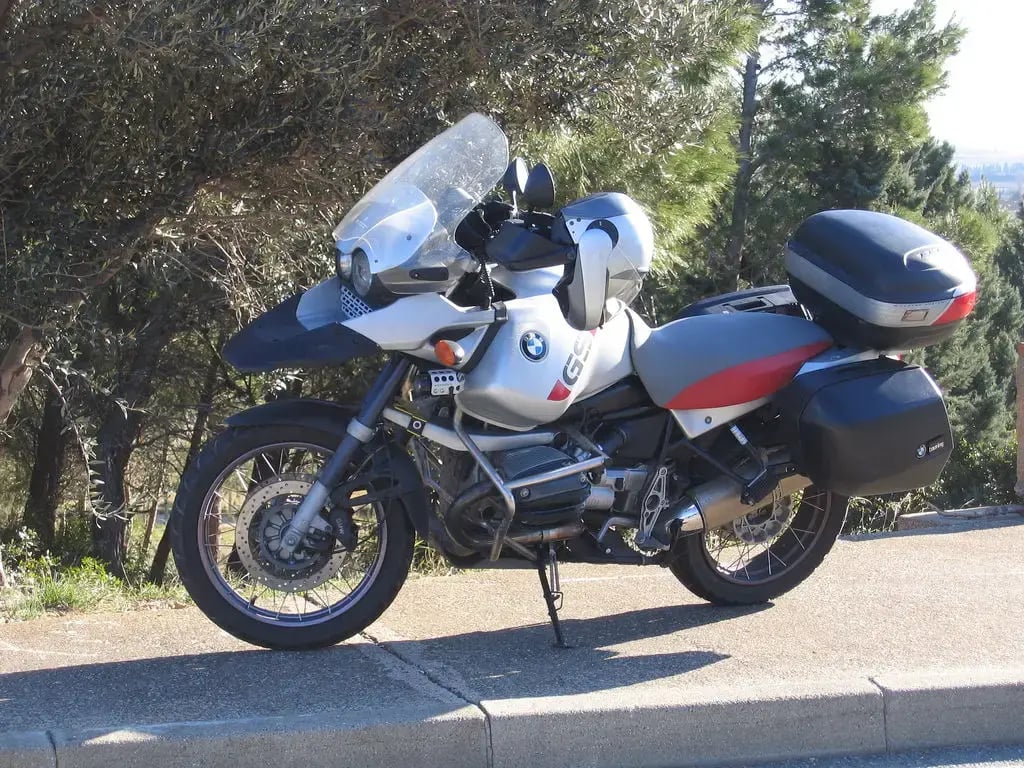
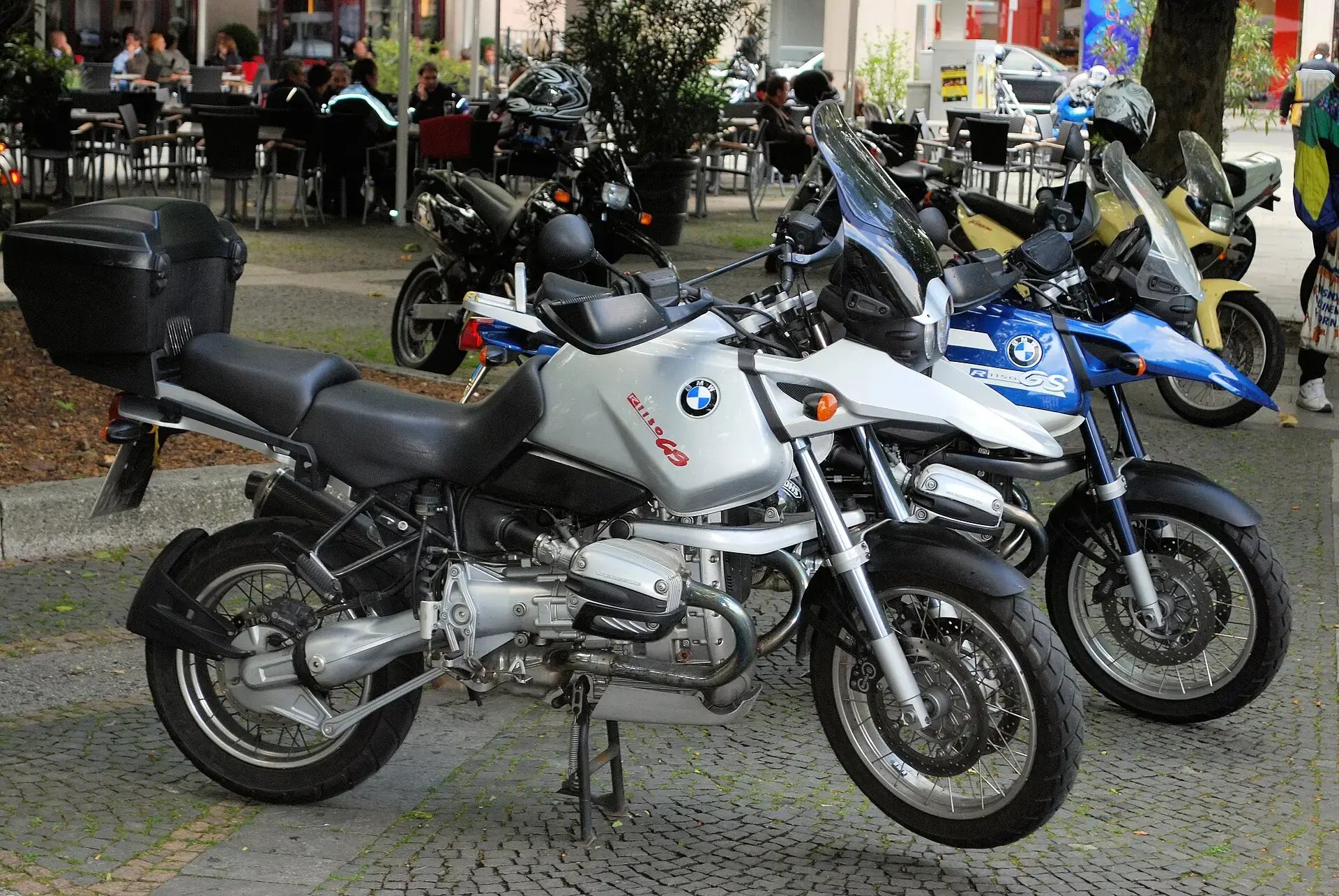
The standard R1150GS is already a capable long‑distance machine. The Adventure variant, introduced around 2001, turned that platform into something closer to an RTW (round‑the‑world) tool. According to BMW Motorrad technical specifications and period motorcycle press, the Adventure added a combination of hardware changes that still stand out today.
Key engineering differences from the standard R1150GS
While figures can vary slightly by source and model year, commonly cited distinctions include:
-
Fuel tank and range:
-
Adventure models carry a significantly larger fuel tank (often listed around 30 litres), giving them much longer range between fill‑ups than the standard GS.
-
This extra capacity is a major advantage for riders planning remote routes where fuel stops are sparse.
-
-
Suspension and seat height:
-
The Adventure features longer‑travel suspension, adding roughly 20 mm of travel compared to the standard GS.
-
Combined with different seat options, this gives a seat height in the vicinity of 900 mm (about 35.4 inches), suiting taller riders and increasing ground clearance.
-
-
Gearbox ratios:
-
The Adventure’s six‑speed gearbox uses a shorter first gear for low‑speed control off‑road and a “conventional” sixth gear rather than the taller overdrive found on some R1150GS models.
-
This setup is better suited to loaded adventure touring than pure highway commuting.
-
-
Fuel flexibility:
-
Adventure models are often described as having engine management tuned to tolerate lower‑octane fuels, a useful trait when refuelling far from major cities.
-
-
Standard protection:
-
Skid plates, engine crash bars, hand guards, and a taller windscreen were commonly fitted from the factory, turning the bike into a more complete adventure package straight out of the crate.
-
Because specifications can differ slightly across years and markets, buyers should always cross‑check these details against official BMW technical data for the exact VIN they are considering.
Rarity and production context
Production data compiled by BMW enthusiasts and historian resources commonly suggest that:
-
The standard R1150GS was produced in relatively large numbers between 1999 and 2004.
-
The R1150GS Adventure, built from roughly 2001 to 2005, saw significantly lower production volumes.
Exact counts vary across sources and may be updated as more archival information becomes public. The key practical takeaway for US importers is that:
-
Clean Adventures are noticeably rarer than standard GS models.
-
Well‑documented, low‑mileage examples in desirable colours are becoming harder to find in Europe, particularly in fully original condition.
Collectors who treat the bike as a long‑term keeper often favour documented European examples from Germany, where service standards and record‑keeping are typically high.
Why US Collectors Target European‑Spec Bikes from Germany
Not all R1150GS Adventures are created equal in the eyes of collectors. European‑market bikes from Germany combine specification, provenance, and condition factors that make them especially attractive.
Euro‑spec details that matter
European‑spec R1150GS Adventures often differ from US‑market bikes in several subtle but meaningful ways:
-
Instrumentation:
-
Many Euro‑spec bikes come with metric‑only speedometers and odometers, which some enthusiasts view as part of the bike’s authentic European character.
-
-
Lighting and electrics:
-
Headlight beam patterns, rear fog lights, and indicator configurations reflect European regulations, which may differ from US‑market requirements.
-
Riders planning trans‑European trips sometimes prefer EU‑compliant lighting without later modification.
-
-
Color schemes and options:
-
Certain paint and decal combinations were more common—or exclusively offered—in European markets.
-
Accessory packages (panniers, crash bars, heated grips) also varied by region.
-
For some US owners, these details are part of the appeal, signalling that the bike genuinely started its life on European roads.
Germany as a sourcing ground
Germany is commonly viewed as the best hunting ground for Euro‑spec R1150GS Adventures because:
-
Home‑market concentration: A large proportion of Adventures were originally sold through German dealers, giving today’s buyers a deeper pool to search.
-
Maintenance culture: German owners often follow BMW service schedules closely, resulting in bikes with full dealer or specialist service histories and extensive paper trails.
-
Infrastructure for exports: German dealers and exporters are accustomed to international buyers, making it easier to arrange pre‑purchase inspections, export deregistration, and port logistics.
WCS’s Germany shipping overview and related content on importing vehicles from Germany to the USA explain how this infrastructure works for cars; similar principles apply to motorcycles, just at smaller scale.
The “Long Way Round” effect
Media exposure has also helped. The R1150GS Adventure’s starring role in Ewan McGregor and Charley Boorman’s “Long Way Round” series cemented its image as the definitive big‑bore adventure bike of its era. For many US riders, owning a Euro‑spec Adventure is as much about connecting with that story as it is about the technical specification.
Practical Import Considerations for a Euro‑Spec R1150GS Adventure
Desirability alone does not guarantee an easy import. US buyers targeting European‑spec Adventures should build a plan around documentation, condition, and logistics.
1. Confirm 25‑year eligibility and configuration
Before you wire funds, work through:
-
Build date verification:
-
Obtain the VIN and confirm the production month/year through BMW or a trusted club.
-
Ensure the bike will clearly be 25 years old by the time it reaches the US port where it will be cleared.
-
-
Original configuration checks:
-
Note any non‑OEM exhausts, engine mapping changes, or emissions‑related modifications.
-
While the 25‑year rule is forgiving, heavily modified engines or electronics can still raise questions at the border.
-
Because federal interpretations of age‑based exemptions can evolve, your customs broker should review the bike’s documentation and photos before shipment and advise on the correct import category.
2. Pre‑purchase inspection in Germany
A thorough inspection is crucial, especially for a large adventure bike that may have seen off‑road use:
-
Drivetrain: Check clutch, gearbox, and final drive play—typical wear points on higher‑mileage GS models.
-
Suspension: Inspect Telelever and Paralever components, bushings, and shock condition.
-
Electrics: Verify ABS functionality, charging system health, and any accessories.
-
Corrosion: Look for rust on frame welds, fasteners, and underbody areas, particularly if the bike has seen winter use.
Most serious buyers hire a BMW‑savvy workshop in Germany to perform a detailed pre‑purchase inspection and provide a written report. This reduces the risk of surprises after the bike arrives in the US.
3. Crating and shipping
Because the R1150GS Adventure is a tall, relatively heavy machine, correct crating and container loading are especially important.
On the international motorcycle shipping rates page, WCS outlines a typical process:
-
The bike is secured in a custom crate using wheel chocks and soft straps.
-
Handlebars and screens may be adjusted or removed (without damage) to fit standard container heights.
-
The crate is loaded into a shared or dedicated container, protecting the bike from weather and port handling.
While RoRo is sometimes available, most collectors opt for crated container shipping for adventure bikes of this value and size, as it offers better protection during transit.
4. Customs, forms, and arrival
At the US port:
-
Your customs broker files DOT HS‑7 and EPA Form 3520‑1, typically citing the 25‑year exemption categories.
-
CBP reviews the documents and may inspect the bike to confirm VIN, condition, and configuration.
-
Once cleared, WCS or your chosen carrier arranges onward delivery to your home or workshop.
Because form requirements and tariff policies can change, especially with ongoing trade discussions, it is essential to have your broker confirm the exact documentation and duty treatment applicable at the time of import.
How the R1150GS Adventure Fits Into a Broader Classic BMW Strategy
For many US collectors, the Euro‑spec R1150GS Adventure is the centrepiece of a broader classic BMW portfolio rather than a one‑off purchase. It sits at an interesting intersection:
-
New enough to offer ABS, fuel injection, and modern reliability.
-
Old enough to qualify under the 25‑year rule and avoid many of the costs and delays associated with modern bike imports.
-
Cult‑status model thanks to its media exposure and real‑world capability.
Some riders pair the Adventure with:
-
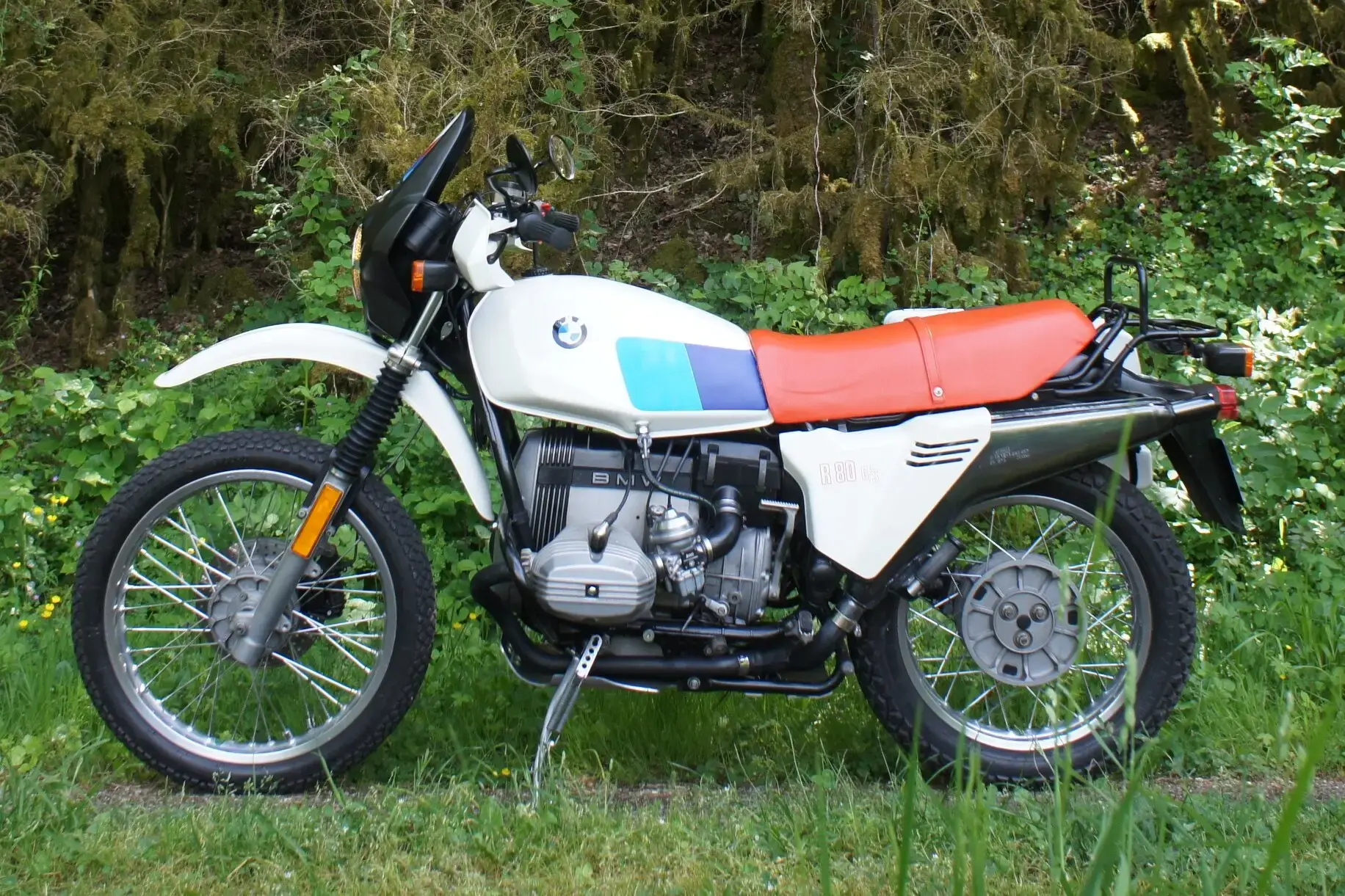
An airhead GS (R80GS or R100GS) for simpler, slower travel.
-
A K‑series tourer for long highway trips.
-
A smaller dual‑sport for more technical off‑road riding.
The main classic BMW 25‑year import & tariff guide explains how the R1150GS Adventure sits alongside these other models in terms of duty, parts availability, and long‑term ownership costs.
How West Coast Shipping Helps Bring Euro‑Spec Adventures Home
West Coast Shipping’s role is to turn the idea of a European‑spec R1150GS Adventure into a clean, traceable logistics project.
For this model, we typically provide:
-
Early feasibility checks: Reviewing your target bike’s location, build year, and paperwork so you can confirm 25‑year eligibility and shipping options up front.
-
Coordination with German sellers: Helping align pickup schedules, export documents, and pre‑purchase inspections.
-
Professional crating: Securing the bike in a crate optimised for adventure‑bike dimensions, using methods developed in our dedicated motorcycle shipping operation.
-
Containerised ocean transport: Consolidating your crate in a container bound for your chosen US port, with tracking and status updates along the way.
-
Port and inland logistics: Working alongside your customs broker during clearance, then arranging delivery from the port to your garage or workshop.
You can see how these steps translate into actual transit times and cost ranges on the international motorcycle shipping rates page, which also explains how multiple bikes or bikes plus parts can be consolidated in the same shipment.
Start Your Euro‑Spec R1150GS Adventure Import Plan
For many riders, the European‑spec BMW R1150GS Adventure is the ultimate expression of old‑school analog adventure touring—robust, characterful, and capable of crossing continents. The 25‑year rule has now made early examples realistic candidates for US import, especially when sourced from Germany and handled by experienced logistics and customs teams.
If you are considering a specific bike or just exploring the idea, combine the regulatory framework in the classic BMW 25‑year import & tariff guide with the practical cost and routing options laid out on WCS’s international motorcycle shipping rates page. With those two resources and a good customs broker, you will be in a strong position to decide whether a Euro‑spec R1150GS Adventure is the right next addition to your garage.

Which Classic BMWs Qualify for the 25‑Year Import Rule in 2026?
BMW Motorcycle Parts: US Tariff Codes & Duty Calculation Guide