
Convertible muscle cars sit at the intersection of open‑air cruising and straight‑line performance, and they often carry a price premium over their coupe counterparts. As of February 2026, many market observers note that desirable drop‑top muscle cars can command substantially higher prices than equivalent coupes in similar condition, especially when documented and numbers‑matching.
West Coast Shipping’s pillar article on Grand Prix four‑door, muscle, and convertible rarity explains how body style, production volume, and survival rates shape rarity. Convertibles combine all three factors, which goes a long way toward explaining their premium.
Why Muscle Convertibles Are Naturally Rare
During the original muscle‑car era, most buyers prioritized affordability and practicality, so coupes and hardtops vastly outsold convertibles. Building a drop‑top required additional engineering and structural reinforcement, and higher pricing further limited demand.
Key reasons muscle convertibles are naturally scarce include:
-
Lower original production: Many manufacturers built far fewer convertibles than coupes in the same model line.
-
Harsher lives: Open cars often saw more exposure to weather, occasional accidents, and hard use.
-
Higher attrition: Roof mechanisms, seals, and structural stress meant more cars were scrapped instead of restored.
West Coast Shipping’s broader coverage of rare American muscle cars and underrated performance models reinforces a basic theme: when production is low and survival is lower, the market tends to reward the survivors.
Why Drop-Tops Often Command “Double” the Price
The idea that convertibles can command double the price of coupes is a rule of thumb rather than a fixed law, but it reflects three powerful forces: supply, demand, and emotion. In many segments of the classic‑car market, there are far more buyers than surviving examples of the most sought‑after convertibles.
As of February 2026, valuation guides and auction data frequently show:
-
Meaningful premiums for iconic muscle convertibles versus equivalent coupes, especially in top‑tier condition.
-
Larger gaps for halo models and limited‑production variants, where the number of surviving drop‑tops is particularly small.
-
Regional differences, with stronger premiums in sunny or coastal markets where open‑air driving is more practical.
In WCS price‑focused content like the $25k–$75k muscle‑car sweet spot, convertibles often occupy the upper bands within a given model family. While “double” is not universal, it captures the reality that a clean convertible can sit in a completely different pricing tier than a driver‑grade coupe. Buyers should always confirm actual spreads by checking recent sales rather than relying on generalized ratios.
How Convertible Rarity Plays Out by Model
Different nameplates experience the convertible premium in different ways, but the pattern is similar across brands. Looking at the same families WCS highlights throughout its muscle‑car coverage helps illustrate the point:
-
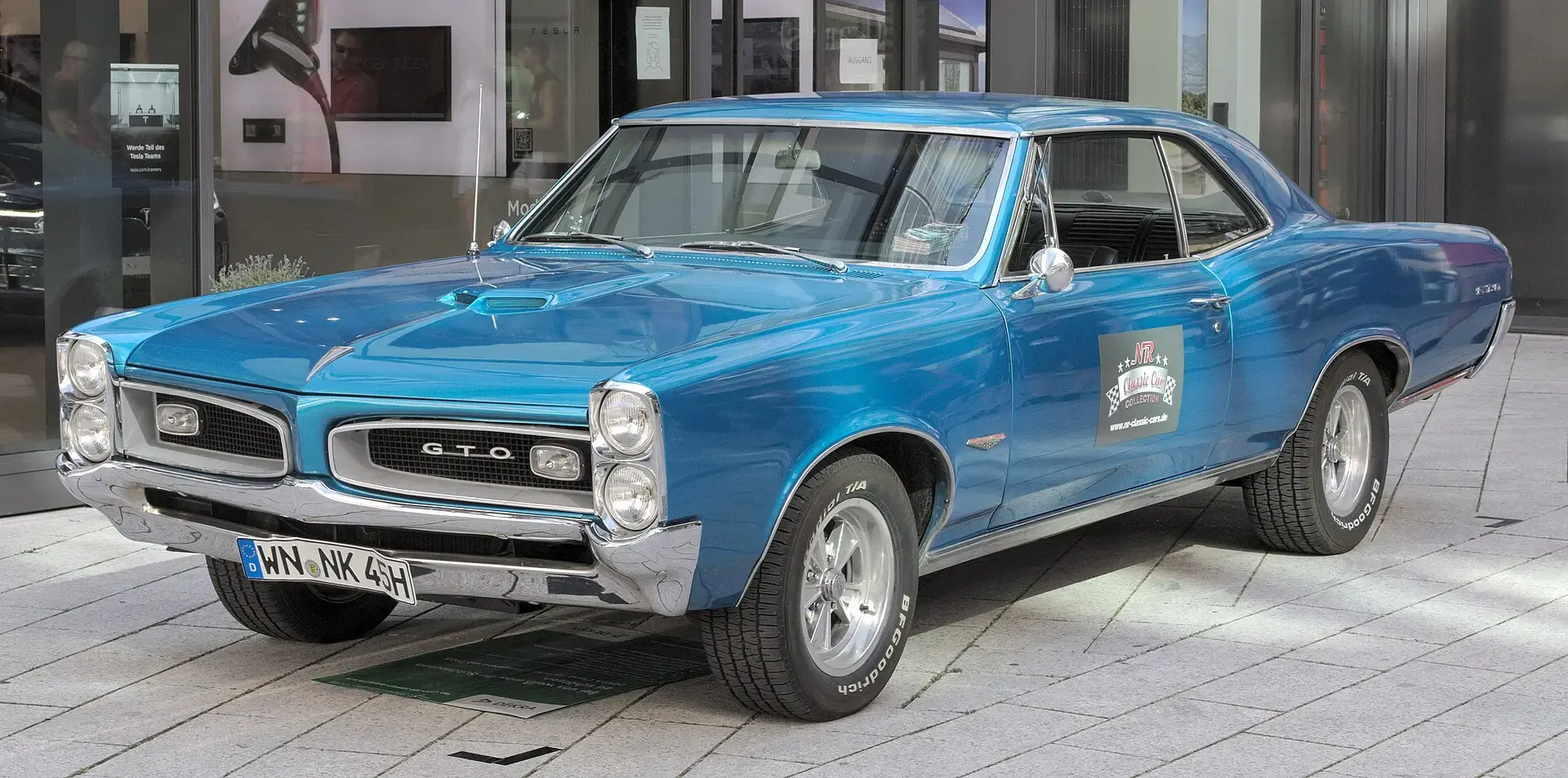
GM icons: In popular lines that include both coupes and convertibles, open‑top versions of key trims—SS‑branded Chevrolets, 442‑equipped Oldsmobiles, GTO‑spec Pontiacs—often draw disproportionate interest because fewer were built and even fewer remain correctly documented.
-
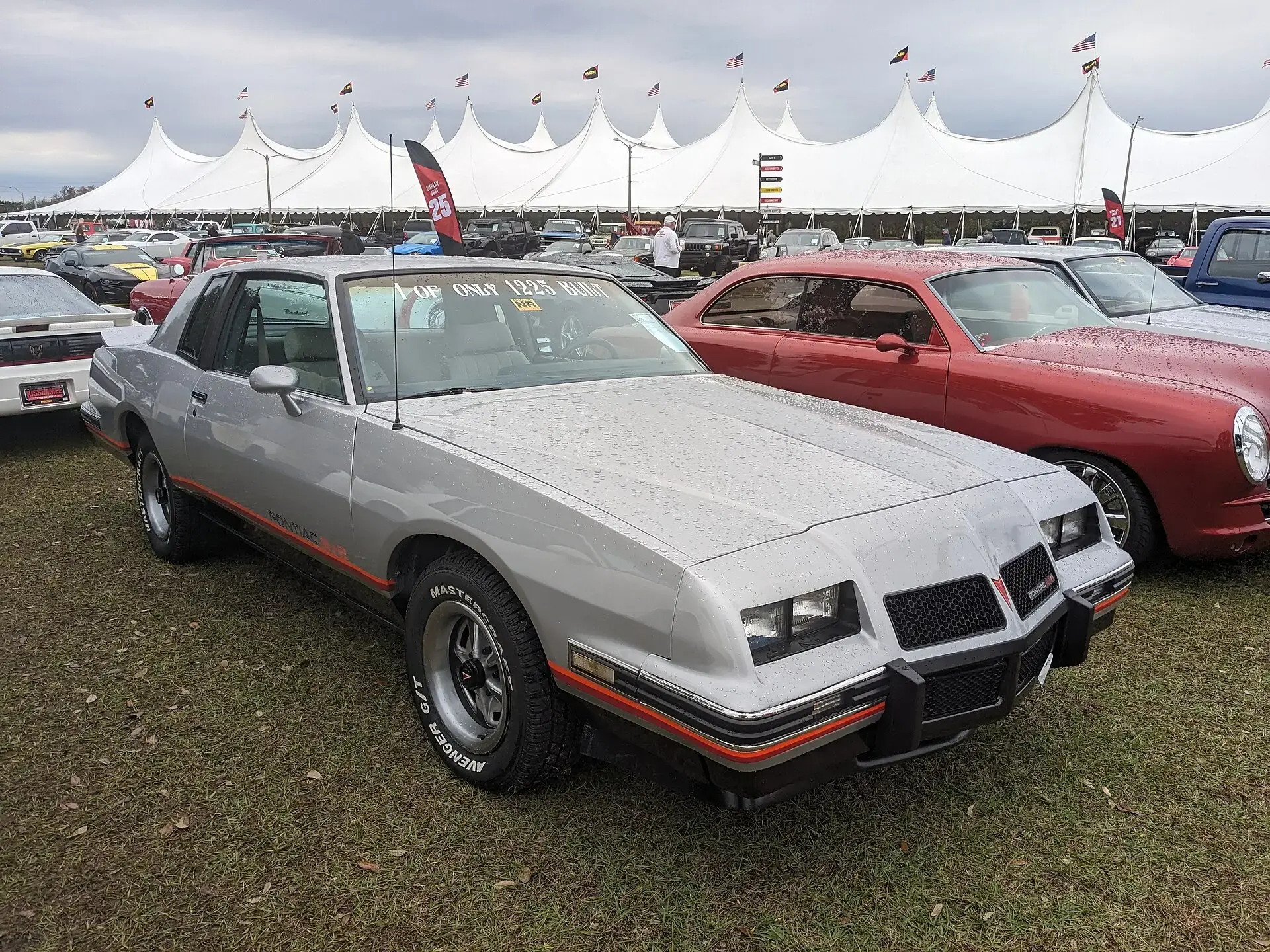
Luxury‑performance coupes: In the Grand Prix rarity feature, Pontiac’s already limited convertible production sits at the rarest edge of the lineup, amplifying demand among brand loyalists.
-
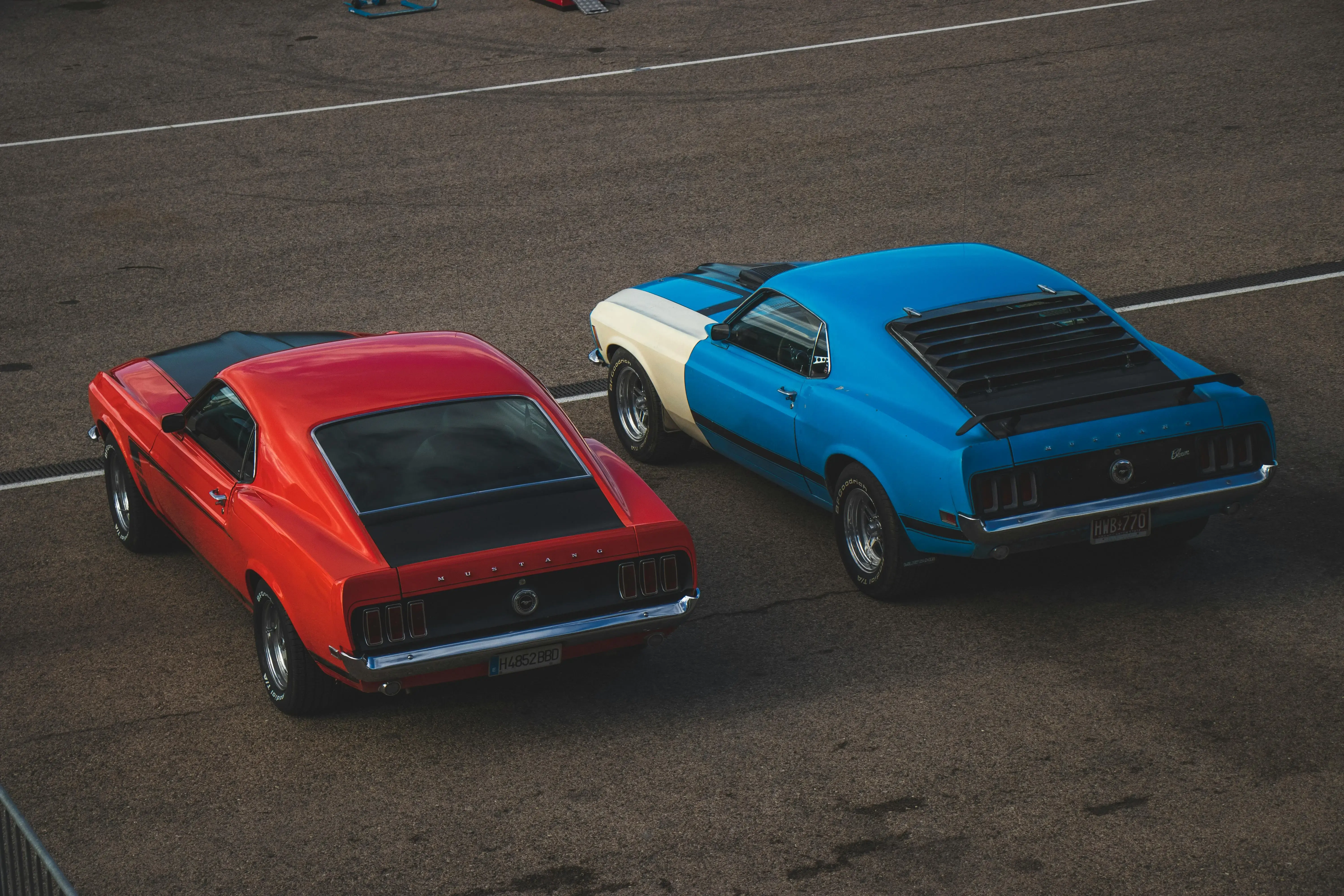
One‑year specials and homologation cars: West Coast Shipping’s guide to one‑year‑only muscle legends shows how stacking “limited production” with “convertible” can push certain cars into a different collector category.
Because each model has its own production history and survival curve, the only reliable way to gauge rarity is to compare documentation, registry data, and real‑world offerings. A convertible badge alone does not guarantee a particular premium; it’s the combination of body style, specification, and proof that matters.
Market Behavior as of February 2026
As of February 2026, multiple trends influence the way convertible muscle cars are priced and traded:
-
Strong show and event culture: Open‑top cars photograph better, attract more attention at events, and offer a memorable experience for passengers, which supports demand.
-
Climate and geography: Buyers in regions with longer warm seasons or scenic driving routes often place higher value on drop‑tops than buyers in colder climates.
-
Demographic shifts: Some younger collectors are more open to “experience‑first” cars, favoring the emotional appeal of a convertible even when a coupe might be marginally faster or stiffer.
WCS’s broader market‑focused articles—such as hidden classic car gems under $50k, top American classics to buy, and brand rivalry and global demand—repeatedly stress that values can move quickly. Convertibles sit at the center of that volatility, making due diligence and up‑to‑date pricing research essential.
Why Convertibles Are Especially Attractive to International Buyers
For international buyers, classic muscle convertibles often deliver the most “American” experience per kilometer. Roof down on a coastal road or through an old European town, a V8 drop‑top turns into rolling theater.
Practical reasons international buyers gravitate toward convertibles include:
-
Visual impact: At shows and events overseas, a convertible stands out even among other American classics; relatively few period European sedans or coupes can match the drama of a big‑block drop‑top.
-
Event flexibility: Many rallies, tours, and summer events abroad are tailor‑made for open‑air cars, increasing their real‑world usability.
-
Long‑term enjoyment: Even if coupes sometimes offer marginally better chassis rigidity, the emotional payoff of a convertible often matters more to owners who drive for pleasure rather than lap times.
In WCS content on popular American classic imports and selling at international auctions, convertibles frequently occupy headline spots because they attract bidders and audiences worldwide.
Risk and Reward: Why Documentation Matters Even More on Drop-Tops
Because convertibles can command such strong premiums, the risk of misrepresentation, incorrect cloning, or optimistic storytelling is higher. The same rules WCS emphasizes for rare four‑door and one‑year‑only cars apply—only more so—when you are evaluating a muscle convertible.
Before paying top money for a drop‑top, you should:
-
Confirm authenticity: Seek build sheets, factory invoices, and, where available, manufacturer documentation services that can confirm original body style, engine, and options.
-
Verify body structure: Inspect for signs of structural repairs, panel replacement, or conversions from hardtop to convertible shells.
-
Cross‑check market data: Compare the asking price with recent sales from reputable auctions and dealers for similar specification, condition, and documentation level.
Guides like WCS’s international car shipping services checklist and classic cars eligible for 25‑year import underline a central principle: paperwork and provenance can move a car far above—or below—typical price ranges, especially for body styles that carry a market premium.
Shipping Convertible Muscle Cars Overseas with West Coast Shipping
Once you have found the right convertible—whether it is a rare Pontiac Grand Prix drop‑top, an open‑air 442, or a classic big‑block muscle convertible—the next challenge is getting it where it needs to go. This is where West Coast Shipping’s experience with high‑value and specialty vehicles becomes a crucial part of the ownership journey.
Through its international car shipping services, WCS can:
-
Collect the car from private sellers, dealers, or auctions anywhere in the United States.
-
Load your convertible into secure shipping containers, with options for single‑vehicle or shared loads depending on timing and budget.
-
Coordinate ocean transport to key ports in Europe, the UK, the Middle East, Asia, Australia, and beyond.
-
Provide guidance on export documentation and connect you with trusted partners at destination for customs handling.
Convertibles benefit from the controlled environment of container shipping, which reduces exposure to weather and port handling while in transit. WCS’s main site and the door‑to‑door shipping guide explain how pickup and delivery can be tailored to your location and schedule.
Transit Times, Routes, and Cost Drivers
Transit times for muscle convertibles shipped from the U.S. are generally similar to those for coupes and sedans:
-
To many Northern European ports, typical sail times are on the order of a few weeks, plus time for loading and customs.
-
Routes to Asia, Australia, and more distant regions often require longer on‑water durations and potentially more complex routing.
-
Shared versus dedicated containers can affect both cost and timing; shared containers are usually more cost‑efficient but may require additional consolidation time.
Because shipping conditions, port congestion, and surcharges evolve, West Coast Shipping recommends using its online quote tools and calculators on the international car shipping page to obtain current estimates. The international services checklist provides a step‑by‑step overview of what to expect from first quote to final delivery.
Import Rules, Age Thresholds, and Open-Top Specifics
Most classic muscle convertibles already exceed common 25‑ or 30‑year age thresholds, but import specifics still matter:
-
Regulatory classification: Your country may classify older convertibles differently for inspections or roadworthiness checks, especially regarding structural integrity and lighting.
-
Weather and usage: Some markets favour convertibles primarily as seasonal or event cars; understanding how you plan to use the car can inform which configuration and upgrades you pursue.
-
Documentation: As with any import, clear title, accurate bills of sale, and export paperwork are essential.
West Coast Shipping’s FAQ and how‑to guide explains the general documentation process, while its wholesale shipping solutions can help dealers or high‑volume buyers move multiple convertibles and coupes together.
Choosing the Right Convertible for Your Market
Not every convertible is equally suited to every destination. When evaluating a potential purchase for overseas use, consider:
-
Climate: In cooler or wetter regions, a well‑sealed roof, working heater, and effective defrost are as important as V8 power.
-
Local roads: Narrow historic streets or dense urban environments may favour smaller, more agile convertibles over the largest full‑size muscle cars.
-
Event access: If your goal is to attend rallies, tours, or concours, confirm eligibility rules and expectations for period correctness before buying.
Many of the practical tips in WCS guides—such as top American classics to buy and brand rivalry and global demand—apply equally to convertibles: choose a car that fits how you actually plan to drive and display it.
Convertible Muscle in a Balanced Collection
In a well‑rounded collection, a convertible muscle car often becomes the go‑to choice for special drives and events. When viewed alongside the four‑door sedans and coupes discussed in the Grand Prix four‑door, muscle, and convertible rarity pillar, drop‑tops complete the body‑style spectrum of American performance.
As of February 2026, the best approach is to see convertibles not just as potential price leaders but as experience leaders. Their rarity, emotional appeal, and show‑field presence explain why they can command such strong premiums—but their real value is often measured in memories rather than spreadsheets.
Disclosure and disclaimer (February 2026)
This article is provided by West Coast Shipping (WCS) for general informational and promotional purposes only. Vehicle specifications, performance figures, production numbers, and historical details are based on third‑party sources, period publications, and enthusiast research, which may differ from one another and may be updated over time. Market observations, including any references to relative values, price gaps between body styles, or “undervalued” models, are general in nature and not investment advice or a guarantee of future performance. Classic and collector car markets are highly volatile; values vary significantly by condition, originality, documentation, specification, and regional demand, and can change rapidly.
Always verify technical specifications, production data, and options for any specific vehicle with marque specialists, factory documentation where available, and current expert resources before making purchasing decisions. Before relying on any market or value commentary, consult multiple up‑to‑date sources such as recent auction results, dealer listings, and independent valuation tools in your target market. Nothing in this article should be construed as legal, tax, financial, or investment advice. For advice on those topics, consult appropriately qualified professionals in your jurisdiction.
Ship Your Convertible Muscle Car with West Coast Shipping
Ready to bring a classic muscle convertible home, wherever you live? Use West Coast Shipping’s online tools and international car shipping services to compare routes, estimate costs, and plan the journey from U.S. seller to your driveway—so you can focus on choosing the right drop‑top while WCS handles the logistics.

One‑Year‑Only Muscle Cars: Rare Legends & Collector Potential
Grand Prix, Four‑Door Muscle & Convertible Rarity Explained