

International motorhome travel has become more common as RV owners decide one continent is not enough—they want to camp along the cliffs of Ireland, follow wine routes in France, explore Australian beaches, or chase Patagonia sunsets in their own home‑on‑wheels.
The challenge is getting your motorhome across an ocean safely, on budget, and in line with foreign regulations. That requires more than just buying an ocean slot: it means choosing the right shipping method, preparing the rig properly, and understanding how temporary import permits work once you arrive.
West Coast Shipping has mapped out this decision process in country‑specific guides, including its article on importing German motorhomes and camper vans to the USA and resources that explain why WCS typically recommends container shipping for most vehicles on protection and flexibility grounds. This guide pulls those concepts together specifically for international motorhome owners and links them to method choices like specialized RoRo services for heavy equipment and oversized vehicles, which WCS positions primarily for oversized rigs that cannot be containerized.
How to Prepare Your Motorhome for International Shipping
Strong preparation protects your investment and makes the shipping process smoother for the carrier, port staff, customs, and you.
1. Choose the right shipping method for your RV
The starting point is deciding how your rig will travel.
-
Container shipping
-
Ideal for smaller camper vans and compact motorhomes that physically fit within a standard 20‑ or 40‑foot container.
-
Provides a sealed steel environment with limited handling and strong protection from weather and external contact.
-
Works for running and non‑running vehicles, and can sometimes accommodate properly declared gear or spare parts where regulations allow.
In its own materials, West Coast Shipping’s complete guide to container shipping for vehicles and its article on why shipping cars in containers offers protection, flexibility, and cost savings both emphasize that WCS usually recommends container shipping for most cars, motorcycles, and many camper vans. The same logic often applies to motorhomes that fall within container dimensions.
-
-
RoRo (roll‑on/roll‑off) shipping
-
Designed primarily for oversized vehicles and heavy machinery that cannot be containerized—large Class A motorhomes, bus‑based RVs, and specialty rigs that exceed container length, width, or height.
-
The vehicle is driven or towed up a ramp, parked on a deck, and secured for the voyage.
-
RoRo is not inherently cheaper or more expensive than container shipping—pricing depends on route, carrier, and space availability.
-
The practical rule of thumb in WCS content is: if your rig fits in a container, container shipping is often the better, more protective option; if it is truly oversized, RoRo is the specialist method built for it. Best method still depends on route schedules, port calls, and total landed cost, which is why WCS compares both before making a recommendation.
Preparation can make or break a motorhome shipment. This article explains the key steps to prepare your motorhome for international shipping before it reaches the port:
How to Prepare Your Motorhome for International Shipping
2. Measure and document your motorhome
Accurate dimensions and documentation are the foundation of a good booking.
-
Measure length, width, and height including mirrors, rooftop A/C units, solar panels, bike racks, and tow bars.
-
Note the ground clearance and low‑hanging components that might affect ramp angles or loading.
-
Record the VIN/serial number, make, model, year, and odometer reading.
These numbers determine:
-
Whether your RV can safely fit in a 40‑foot container or needs RoRo.
-
Which ports and vessels are realistic options.
-
How the carrier prices the move (volume/weight in a container vs a RoRo vessel).
When WCS evaluates oversized cargo in its specialized RoRo services for heavy equipment and oversized vehicles, these are the same data points it uses to match each unit with the right vessel and deck configuration.
3. Mechanical preparation and leak checks
Ports and carriers expect RVs to be clean, safe, and ready for handling.
-
Fix active leaks – Oil, fuel, coolant, and hydraulic leaks should be repaired before delivery; persistent drips can lead to terminal rejection.
-
Battery and electrical – Ensure the starting battery is healthy; for RoRo, the vehicle needs to start, steer, and brake reliably. For container shipments, a strong battery helps avoid loading delays.
-
Tires and brakes – Inflate to recommended pressures and confirm basic braking function; unsafe tires are a risk on ramps and during handling.
This kind of mechanical prep mirrors what WCS describes for high‑value vehicles and heavy equipment in its RoRo shipping process guide: well‑prepared vehicles move more safely and predictably.
4. Interior and systems: “road‑ready” is not “ocean‑ready”
Inside the coach, the goal is to stop anything from shifting, leaking, or becoming a projectile.
-
Secure all loose items – Dishes, electronics, small appliances, books, and personal gear should be packed away or removed.
-
Empty or minimize liquids – Drain fresh, grey, and black tanks as much as possible. Reduce water in the heater and lines to limit spill risk.
-
Propane and fuel – Follow carrier rules on tank levels and shut‑off valves; many routes require cylinders to be closed and tagged, and may require level limits for safety.
-
Refrigerators and appliances – Defrost, dry thoroughly, and secure doors with tape or straps.
Treat your motorhome like a moving house going through a storm: anything that can tip, leak, or swing should be secured or removed.
5. Exterior prep and photos
A detailed visual record helps protect you if something goes wrong.
-
Wash the exterior enough to make damage visible.
-
Photograph all sides, the roof, undercarriage where accessible, and any existing dents or scratches.
-
Capture close‑ups of key features: windows, awnings, roof gear, custom paint.
6. Documentation and export basics
Before your rig goes anywhere, you will need:
-
Title or registration in your name (or seller documentation if recently purchased).
-
Bill of sale or purchase agreement, especially if ownership has just changed.
-
A copy of your passport or ID, and in some cases a tax ID or company registration if the unit is owned by a business.
-
Completed shipping forms and export authorizations requested by the carrier or WCS.
WCS’s international car shipping FAQ lists similar document sets for cars, and those same principles apply to RVs and motorhomes.
Top Destinations for RV Road Trips (and How to Ship Your Rig There)
Once your rig is prepped, the fun question is where to go. Some owners ship their RV abroad for a single “trip of a lifetime;” others build multi‑year plans to circle continents.
Destination choice impacts shipping decisions. This article looks at top RV road trip destinations and how motorhome shipping is typically handled for each region:
Top RV Road Trip Destinations & How to Ship Your Motorhome
1. Europe: camper‑friendly roads and dense camp networks
Europe is one of the most attractive regions for international RV touring.
-
Extensive motorway networks and scenic back roads.
-
Dense networks of campgrounds and “stellplatz” or “aires” for overnight stops.
-
Strong culture around motorhomes, particularly in Germany, France, and Scandinavia.
Smaller camper vans and compact motorhomes are well‑suited to container shipping into European ports:
-
WCS’s article on importing German motorhomes and camper vans shows that compact RVs already move across the Atlantic in containers.
-
Container routes into Europe leverage the same advantages WCS outlines in why ship cars in containers: strong protection, consolidation options, and numerous port choices.
Large Class A rigs or bus conversions that exceed container sizes can still head to Europe via specialized RoRo services, using planning concepts similar to those in WCS’s RoRo vs container comparison for oversized vehicles. In those cases, RoRo is performing its intended role—serving truly oversized vehicles, not replacing containers for standard‑size rigs.
2. Australia and New Zealand: long distances and wild scenery
Australia and New Zealand have legendary road trips—coastal loops, outback tracks, alpine passes—and both are accustomed to handling imported vehicles.
-
WCS’s Australia shipping page shows how containers are used to move cars, motorcycles, machinery, and oversize vehicles into ports like Brisbane, Melbourne, and Sydney.
-
Similar container logic can apply to camper vans and smaller motorhomes, especially when you want extra protection and the option to consolidate other items in the same box.
For very large motorhomes, RoRo can be used into ports that accept oversized vehicles, with the same caveat repeated on WCS’s RoRo services page: the method is primarily for oversized vehicles and heavy machinery, and total cost depends on dimensions and route—not simply on being cheaper or more expensive than container shipping.
Because both countries have strict inspection and cleanliness expectations at the border—particularly for vehicles arriving under temporary‑import schemes—RV owners should budget extra time for cleaning, documentation, and import checks; WCS’s country content stresses how thorough preparation tends to reduce delays at destination.
3. Latin America: Pan‑American dreams and regional touring
Many North American RV travelers dream of:
-
Extended road trips through Central America (Mexico, Guatemala, Panama).
-
Longer‑range journeys that include South America (Chile, Argentina, Brazil).
West Coast Shipping supports a wide range of routes into the region for passenger vehicles and heavy equipment, as shown on its Central America overview and country‑level blogs. These same gateways can be used for motorhomes:
-
Container shipping works best for camper vans and smaller rigs that fit standard sizes, leveraging the protection and flexibility WCS describes across its container‑focused articles.
-
Very large RVs can move on RoRo into ports where oversized vehicles and heavy machinery are already handled, using planning similar to that described on the RoRo services page.
Travelers planning multi‑country loops should also think ahead about border rules and whether they prefer to base the RV in one country and explore regionally from there.
4. Regional imports and relocations
Some projects are less about temporary touring and more about relocation or permanent import:
-
Importing European or Japanese camper vans permanently into the USA.
-
Moving abroad for work or retirement and bringing the RV along.
In these cases, the shipping step is only part of a larger process that might include emissions checks, conformity, and registration. Container shipping is often preferred for these moves—mirroring the approach WCS describes in its international car shipping overview and related guides—because it offers a stable environment from origin to destination and integrates well with inland transport and storage networks.
Temporary Import Permits for Your Motorhome Abroad
Once your RV arrives, you still need permission to drive it in the destination country. That is where temporary import permits (TIPs) and similar authorizations come in.
What is a temporary import permit?
A temporary import permit generally allows you to:
-
Bring a foreign‑registered vehicle into a country for a limited period.
-
Avoid paying full permanent import duties and taxes, as long as the vehicle leaves again or is regularized under local rules.
The specifics vary widely.
-
Some countries issue short‑term visitor permits tied to your tourist visa.
-
Others rely on a Carnet de Passages en Douane (CPD) or similar document issued by an authorized motoring organization and recognized by customs.
-
Many apply strict rules about resale or commercial use of foreign‑plated vehicles.
Because WCS works daily with customs rules for cars and specialty vehicles—including detailed breakdowns in guides like its Guatemala import duties and taxes article—its teams see how quickly permit rules and interpretations can change and encourage RV owners to treat TIP research as a core planning task.
Always confirm current TIP or CPD requirements with the destination customs authority or a qualified local broker before sailing, because rules and valid documents can change over time.
Temporary import rules vary by country. This article breaks down how motorhome permits work abroad and what to confirm before shipping:
Temporary Import Permits for Your Motorhome Abroad
Key factors to check before you ship
Before committing to a specific route or country, verify at least:
-
Maximum TIP duration – How long can the motorhome stay on foreign plates, and can that period be extended?
-
Eligibility rules – Are TIPs available only to tourists, or can residents use them too? Are certain vehicle types excluded?
-
Financial guarantees or deposits – Does the country require a deposit, bond, or carnet‑based guarantee?
-
Driver’s license and registration – Is your home‑country license accepted? Do you need an International Driving Permit? Must the vehicle remain registered and covered at home while abroad?
-
Exit documentation – What evidence (port records, customs stamps, export papers) will you need to prove that the RV has left so the permit can be closed correctly?
Taking the time to answer these questions reduces the risk of unexpected assessments or a rig stuck in a customs yard.
How your shipping partner can help
A shipping specialist does not replace local legal advice, but it can:
-
Coordinate with destination agents and brokers to confirm which documents are needed on arrival.
-
Ensure your bill of lading, title, and export paperwork line up with the intended temporary‑import route.
-
Share practical experience from other RV and motorhome customers who have used similar permits.
Because WCS manages complex moves for cars, classic vehicles, and oversized machinery—as reflected in its international automotive logistics guide—it is well placed to flag common pitfalls and help you avoid preventable delays.
Get an Instant Motorhome Shipping Quote
Once you understand preparation, route options, and permit basics, the next step is to price your project and lock in a plan. West Coast Shipping’s digital tools make it easier to model scenarios and choose the right method.
-
The international car shipping overview explains how WCS uses consolidated containers as the main product for most vehicles, with RoRo reserved for truly oversized units.
-
The guide on how to use WCS’s car shipping cost calculator shows how to generate quotes in under a minute, compare departure ports, and test different routing combinations.
Start Your Motorhome Shipping Calculator Quote
Add your call‑to‑action button under this heading to send readers straight to your international shipping calculator. From there, they can enter their motorhome’s details, compare container versus oversized RoRo options, and work with a West Coast Shipping specialist to finalize routing, preparation steps, and temporary import planning for their next global RV adventure.


Top RV Road Trip Destinations & How to Ship Your Motorhome
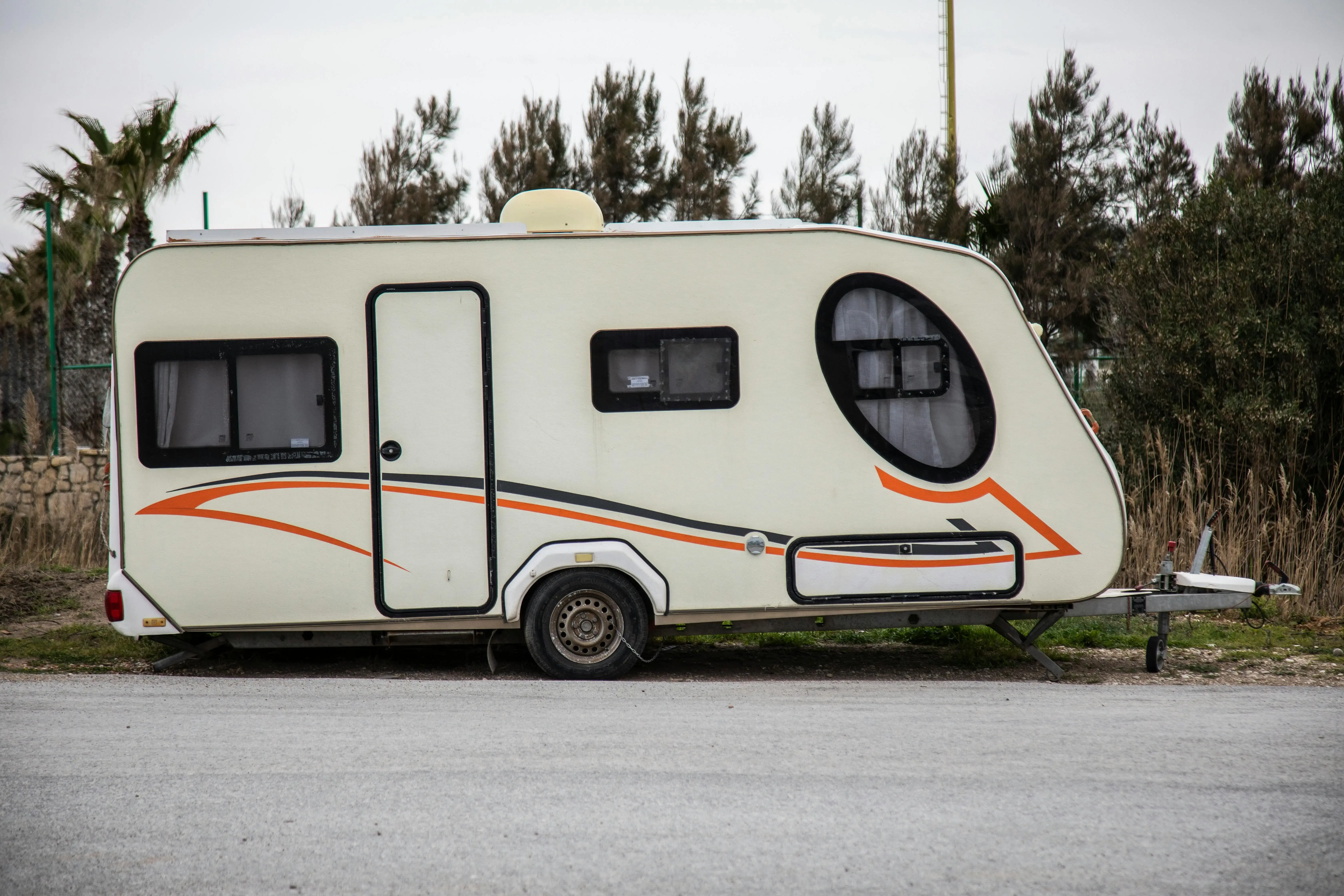
How to Prepare Your Motorhome for International Shipping
