

Disclosure and disclaimer (January 2026): This article is provided by West Coast Shipping (WCS) as general informational and promotional content about WCS services. It is not legal, tax, customs, or regulatory advice, and it does not create any client relationship. All timelines, costs, and examples are illustrative only, based on WCS experience and public guidance as of January 2026, and are subject to change without notice. Government rules, tax rates, fees, and processes can change at any time. Before acting, always verify requirements on official government sites (such as GOV.UK), confirm figures with customs authorities, and consult a qualified customs broker, tax adviser, or legal professional. Past performance and example pricing do not guarantee future outcomes, and nothing here should be treated as a quote, guarantee, or a complete description of your specific obligations.
Street‑legal ATVs and off‑road‑only ATVs may look similar when they roll into a US export yard, but they behave very differently on the paperwork side. The way the vehicle is titled, registered, and classified at origin will shape the export documentation you need, the customs declarations your broker files, and in some cases the questions that overseas authorities ask when the ATV arrives. In this guide, we break down how export paperwork changes when you’re shipping a road‑registered quad versus a pure off‑road machine, and how West Coast Shipping helps keep both types moving smoothly.
For the full end‑to‑end picture of the USA‑to‑UK ATV process, make sure you also review the main WCS guide on shipping ATVs from the USA to the UK in 2026 and the dedicated UK shipping page.
Street‑Legal vs Off‑Road: What Actually Changes for Export?
From a US exporter’s perspective, the biggest difference between a street‑legal ATV and an off‑road ATV is how that vehicle is documented in the origin country. That documentation determines how it is treated in US export systems and, later, how customs authorities abroad interpret the shipment.
Street‑legal ATVs often have:
-
A state title formatted the same way as a car or motorcycle title.
-
Active registration and plates in at least one US state.
-
A clear on‑road classification (for example motorcycle, quadricycle, or similar).
Off‑road‑only ATVs may instead have:
-
An off‑highway or off‑road title (or, in some states, no conventional title at all).
-
ORV/OHV registration stickers rather than number plates.
-
Documentation that clearly marks them as “off‑road use only” or similar.
Those differences ripple through:
-
Which documents you must present to clear US export checks.
-
How your exporter describes the vehicle in the automated export system.
-
How overseas agents and customs officers classify your ATV on arrival.
If you plan to ship an ATV that is currently street‑legal in its home state and you want to keep it road‑legal abroad, treating it as a generic off‑road vehicle in the paperwork can create problems later. Likewise, presenting an off‑road ATV as if it were road‑registered can trigger questions from overseas authorities when they compare your paperwork to the machine in front of them.
This is why WCS spends so much time on document review in its USA‑to‑UK projects, as highlighted throughout the main ATV export guide.
Core Export Documents: What Both Types Have in Common
Before we get into differences, it helps to understand the common baseline. Whether your ATV is street‑legal or off‑road‑only, a serious export project will almost always require four basic document categories.
1. Ownership and Title
Every outbound ATV needs clear evidence of ownership. Typically, that means:
-
A valid state title or manufacturer’s certificate of origin in your name (or accompanied by a properly executed bill of sale).
-
Any lien releases if the title shows a finance company.
For street‑legal ATVs, the title often looks like a car title and might list a motorcycle or passenger vehicle category; for off‑road ATVs, some states issue special off‑highway titles, while others use registration cards instead.
WCS’s UK vehicle shipping page lists “original vehicle title” right alongside key documents like the bill of sale and power of attorney, and the same basic rule applies whether that vehicle is a car, a road‑legal quad, or a trail‑only ATV.
2. Bill of Sale or Purchase Invoice
Both types of ATVs need a document showing:
-
The agreed purchase price.
-
Buyer and seller names and addresses.
-
VIN or serial number.
-
Date of sale.
This document becomes the starting point for customs valuation in the destination country. For a street‑legal ATV, the price may be compared against typical road‑going vehicles; for off‑road machines, brokers may use different reference points when explaining values to overseas customs.
3. Export Power of Attorney and Export Forms
Your US freight forwarder or customs broker needs proof that they are allowed to act on your behalf. This usually takes the form of:
-
A signed power of attorney authorising them to file export declarations and handle documentation.
-
Client onboarding forms and online shipping forms that capture the ATV’s basic details.
On the WCS side, the same power‑of‑attorney framework used for cars on the UK page and in guides like car imports to the UK also covers ATVs. What differs is how the ATV is described in the export system.
4. Identity and Tax Details for the Exporter
For private owners and businesses alike, typical requirements are:
-
A copy of a passport for non‑US citizens, or ID and EIN details for US citizens.
-
Contact details and, where needed, tax identification numbers for customs filings.
From the document checklist standpoint, street‑legal and off‑road ATVs mostly look the same here. The nuance comes in classification, which we’ll address next.
How Street‑Legal ATVs Are Classified and Documented for Export
When an ATV is titled and registered for public road use in the USA, export agents often handle it much like a motorcycle or small passenger vehicle.
On the US Side
For a street‑legal ATV, expect your export paperwork to emphasise:
-
The state title and plate status (even if you remove plates before shipping).
-
Any on‑road category printed on the title (for example “MC” or “motorcycle”).
-
The fact that the machine is fused into the normal road‑vehicle system, rather than treated as a pure off‑road toy.
Why that matters:
-
Export systems and customs codes often distinguish between on‑road vehicles and off‑road equipment.
-
The classification chosen at export tends to “follow” the vehicle into the destination country’s customs systems.
If your ATV is already road‑legal at home and you want it to remain a candidate for registration overseas (for example in the UK, where you may be aiming for MSVA/IVA and DVLA registration), it usually makes sense to align your export paperwork with that reality.
The WCS guides on UK Harley‑Davidson imports and the UK MSVA process show how closely documentation, technical approvals, and registration status are connected for motorcycles; similar patterns apply when a road‑legal quad is treated as a road‑going vehicle in the paperwork from day one.
On the Destination Side
For street‑legal ATVs bound for the UK, the classification and documentation trail from the US can influence:
-
How customs and tax authorities treat the import.
-
How plausible it is to present the vehicle as a candidate for full registration, rather than as an off‑road toy.
When you move into the UK stage—covering NOVA, DVLA forms, and type approval—your overseas agent will want:
-
The original title showing the ATV’s road‑legal status.
-
Export documents that describe it consistently with that status.
-
A bill of sale that matches the vehicle type you are presenting.
The main ATV USA‑to‑UK guide and the UK shipping page both underline how tightly this paperwork is woven into the UK registration journey.
How Off‑Road‑Only ATVs Are Classified and Documented
For off‑road ATVs, the export story is similar at a high level but diverges in the details.
Off‑Road Titles, ORV Stickers, and Gaps
Many off‑road ATVs will present with:
-
Off‑highway titles (or, in some states, no formal title at all).
-
ORV or OHV registrations that are clearly labelled as off‑road‑only.
-
Manufacturer’s certificates or dealer invoices that emphasise non‑road‑use designs.
From a documentation perspective, this means:
-
Your export agent may need additional paperwork to establish ownership in states that don’t issue conventional titles.
-
The vehicle is more likely to be treated as equipment in customs classification, rather than as a road vehicle.
WCS’s experience with off‑road vehicles, as illustrated in powersports‑oriented content such as shipping motorcycles, ATVs, and more on military orders, shows that getting the ownership chain right up front is critical for off‑road machines.
Why It Matters for Overseas Authorities
When an off‑road ATV arrives overseas, customs and registration bodies will:
-
Pay close attention to what the US documents say about its intended use.
-
Be quick to question any attempt to present a clearly off‑road‑only vehicle as road‑ready without substantial proof and modifications.
If you are sending an ATV abroad purely for off‑road use—such as farm work, private land use, or closed‑course riding—it is often simpler to lean into that reality in the export and import paperwork rather than trying to blur the lines. In the UK context, that might mean:
-
Focusing on correct import classification and taxes for an off‑road vehicle.
-
Accepting that the machine will likely remain off‑road‑only under current quad bike rules.
WCS’s UK shipping page and UK‑focused guides emphasise that not every imported ATV can or should be pushed toward road‑registration; sometimes, the right answer is a clean off‑road classification with documentation that clearly supports it.
Key Documentation Differences: Street‑Legal vs Off‑Road ATVs
While the core categories—title, bill of sale, identity, power of attorney—look similar, there are several important differences in how these two ATV types are handled.
1. Type of Title or Ownership Proof
-
Street‑legal ATVs: Typically use a standard vehicle title, often aligned with motorcycle titles. This slots cleanly into car‑like export processes described on pages like Ship Cars to the UK and in UK car import guides.
-
Off‑road ATVs: May use off‑highway titles, ORV registrations, or, in some states, combinations of bills of sale and older registrations because no title is issued. This can require extra explanation and documentation at export and import.
2. Description in Export Declarations
-
Street‑legal ATVs: Often described using codes and descriptions similar to motorcycles or light vehicles, emphasising road use.
-
Off‑road ATVs: More likely to be described as off‑road vehicles or equipment. This can influence tariff codes and how customs duties are applied in the destination country.
3. Alignment with the Destination Registration Plan
If your end goal is UK registration:
-
A street‑legal ATV’s paperwork can be aligned from the beginning with the UK’s expectation that road vehicles follow a path involving NOVA, type approval (for example MSVA or IVA), and DVLA registration.
-
An off‑road ATV may be better handled from day one as an off‑road import, especially if you don’t intend to pursue road‑use approval under the UK’s quad bike rules.
The WCS Harley‑related MSVA content—like the UK MSVA guide for Harley‑Davidson imports—shows how critical it is to align documentation with the intended approval path. Attempting to “upgrade” an off‑road‑only ATV into a road‑vehicle on paper after the fact can be far more difficult than planning correctly from the start.
4. Support Documents and Evidence
For road‑legal ATVs, it is often useful to include:
-
Copies of current or recent registration documents.
-
Photos showing number plates and road‑legal equipment (lights, mirrors, signals).
For off‑road machines, emphasis may fall more on:
-
Proof of long‑term ownership for relocation or returning‑resident relief scenarios.
-
Evidence that the vehicle has been used in off‑road contexts, where relevant, and is being imported for similar use.
West Coast Shipping’s country‑specific articles, such as the France motorcycle costs guide and the RV‑to‑UK logistics guide, highlight how strongly customs teams respond to clear, consistent evidence that supports the declared story of the vehicle.
Common Mistakes and How to Avoid Them
Mistake 1: Mixing Street and Off‑Road Stories
Trying to present a clearly off‑road ATV as a road vehicle in the documents—or vice versa—can confuse both US and overseas authorities. Misalignment between title type, registration history, and export description raises red flags.
Better approach:
Decide early whether your ATV is truly street‑legal or off‑road‑only, and keep the paperwork consistent with that story from the bill of sale through to the export declaration and overseas customs entry.
Mistake 2: Assuming Off‑Road ATVs Will Be Easy to Register Abroad
In markets like the UK, some ATV and quad‑bike models can be approved for road use, but many cannot, or require substantial work to pass local standards.
Better approach:
-
Check the UK’s official “Quad bikes: the rules” page.
-
Consult a UK workshop or compliance specialist before shipping if road‑use is part of your plan.
-
Use WCS’s UK shipping page and the main ATV guide to understand how documentation, approval tests, and DVLA registration fit together.
Mistake 3: Overlooking Local State Rules on Titles
In some US states, ATVs that are used strictly off‑road never receive a conventional title, which can complicate exports if you assume the process will mirror a regular car.
Better approach:
Work with an exporter like WCS early in the purchase process so they can advise on what your specific state provides as proof of ownership and how that will look to overseas customs officers.
Mistake 4: Under‑documenting Modifications
If you have modified an ATV to make it road‑legal (for example by adding lights, mirrors, or signals) but your paperwork doesn’t reflect that, overseas authorities may still see it as an off‑road‑only machine.
Better approach:
Document modifications with invoices, photos, and, where applicable, local inspection or registration records, then ensure your exporter has that information when they prepare the export file.
How West Coast Shipping Handles Both Types of ATVs
WCS has nearly two decades of experience shipping cars, motorcycles, and ATVs to destinations like the UK, leveraging:
-
Container consolidation from multiple US hubs (California, Florida, New Jersey) to major ports such as Southampton and Felixstowe.
-
Tailored documentation workflows that accommodate both street‑legal machines and pure off‑road units.
-
UK partners who are familiar with NOVA, DVLA processes, and the realities of MSVA/IVA for powersports vehicles.
For street‑legal ATVs, WCS can set up the export file in a way that supports your downstream registration ambitions, especially when combined with the insights in the UK Harley import guide and the UK MSVA guide.
For off‑road ATVs, WCS focuses on:
-
Getting the ownership chain and classification right.
-
Ensuring that overseas customs entries reflect realistic use cases and match the documentation trail.
-
Coordinating with UK agents to keep port handling and customs clearance as smooth as possible, as discussed in guides like car imports to the UK and UK shipping timelines.
Street‑Legal vs Off‑Road ATVs: Documentation at a Glance
| Document / Aspect | Street‑Legal ATV (On‑Road) | Off‑Road‑Only ATV |
|---|---|---|
| Title type | Standard road‑vehicle or motorcycle title | Off‑highway title, ORV card, or similar |
| US registration | Plates and on‑road registration | ORV/OHV stickers, or off‑road registration only |
| Export classification focus | Vehicle for road use (often motorcycle‑like) | Off‑road equipment / recreational vehicle |
| UK goal (typical) | Potential registration after NOVA + MSVA/IVA + DVLA | Off‑road use; road registration often not pursued |
| Helpful extra documents | Registration records, modification invoices, clear photos | Proof of long‑term ownership, usage context, photos |
These are general patterns only; specific cases can differ. Always have your exporter (and your UK customs broker) look at your actual documents before making final decisions.
Next Steps: Choose the Right Documentation Path for Your ATV
Whether your ATV is plated and street‑legal in the USA or a pure off‑road machine that has never seen pavement, getting the export documentation right is essential. The more clearly your title, bill of sale, and export declarations tell the same story, the easier life becomes for the overseas customs and registration teams that handle your shipment.
If your destination is the UK, start by reading the main ATV USA‑to‑UK guide and the UK shipping page to understand how documentation plugs into consolidation schedules, container options, and UK compliance. Then talk with West Coast Shipping about your specific ATV, its current paperwork, and whether you’re aiming for road use or off‑road use only once it arrives.
See Your ATV Export Documentation and Shipping Options
Use West Coast Shipping’s online tools and UK route pages to get a tailored quote and a document checklist for your specific ATV, origin, and destination. Once you have a written estimate and have confirmed current rules on GOV.UK, you’ll be ready to decide how—and whether—to move your street‑legal or off‑road ATV overseas.

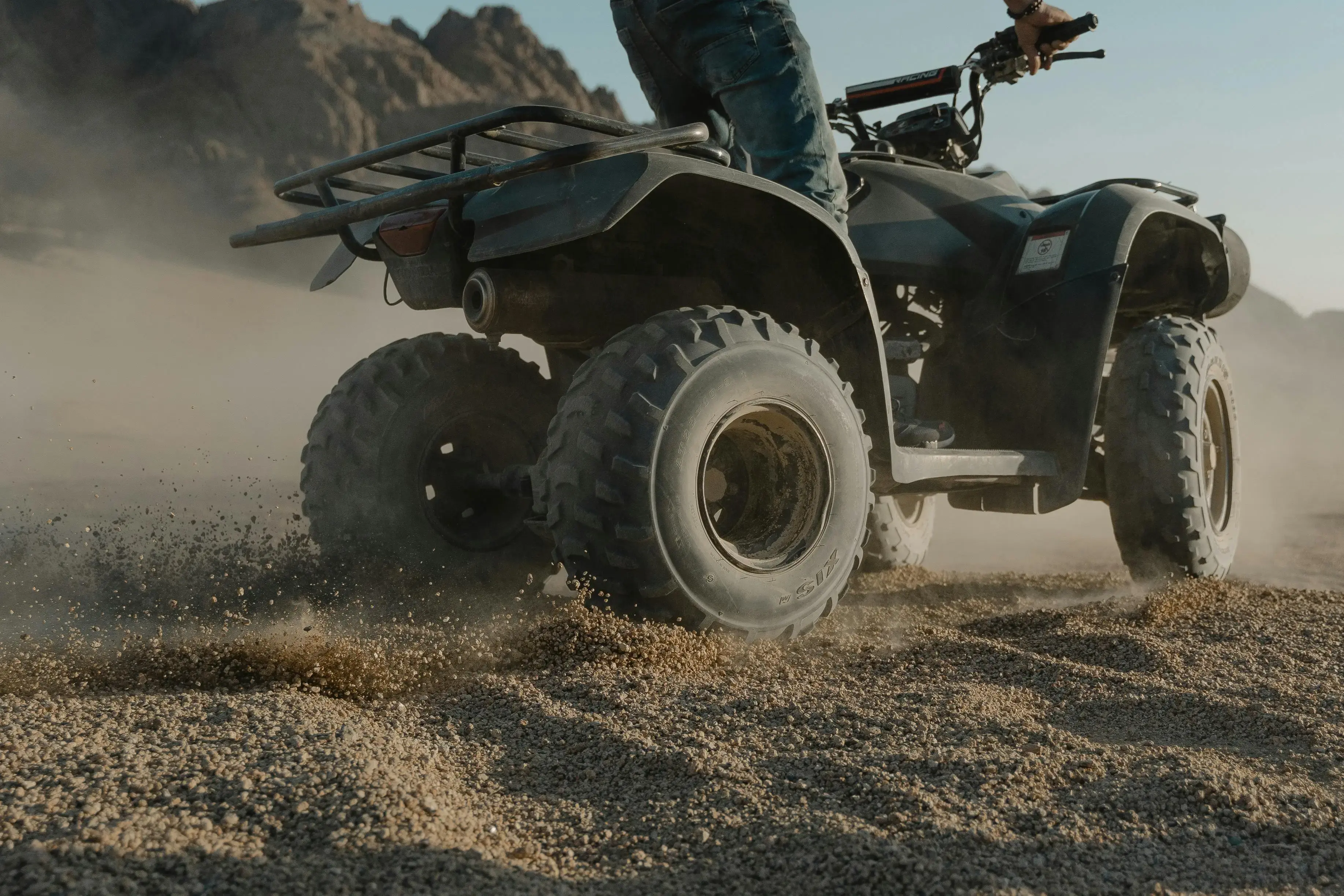
Ship ATVs USA to UK in 2026: Costs, Rules & Container Options
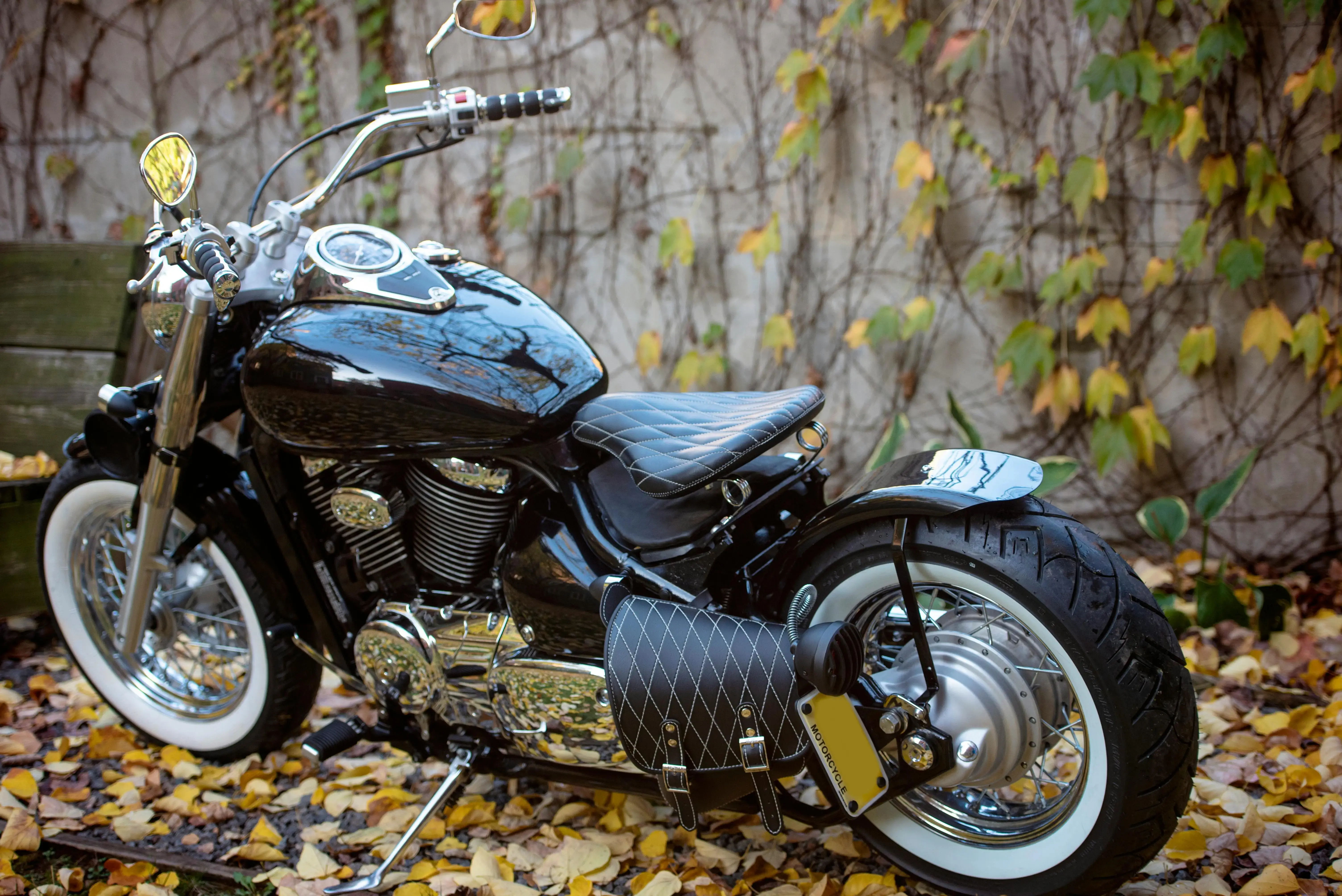
Import Your Harley: UK vs EU Post‑Brexit (2024–2026)