
Disclosure & Disclaimer (January 2026): This article is provided by West Coast Shipping (WCS) and describes WCS services and typical workflows for shipping ATVs and quad bikes from the USA to the United Kingdom. All prices, timelines, and regulatory information are illustrative examples based on WCS internal data and public UK guidance as of January 2026. Ocean rates, UK import duties, and DVLA requirements are subject to change without notice. This article is not legal, tax, or customs advice. Users are responsible for complying with all U.S. export regulations, UK import laws, DVLA registration requirements, and vehicle approval rules. Consult licensed customs brokers, UK compliance specialists, and legal professionals for your specific situation. Past results do not guarantee future outcomes. Always verify current rules with official UK government sources before acting on this information.
All-terrain vehicles (ATVs) and quad bikes remain hugely popular in the UK for agricultural work, motorsport, and recreation. Whether you're exporting a Polaris RZR, Can-Am Outlander, or Yamaha Raptor from the USA to the UK, the process involves far more than booking container space. From understanding the distinction between street-legal and off-road models to navigating UK type approval, DVLA registration, and professional loading practices that prevent damage, every step requires careful planning.
This guide walks through the complete ATV shipping process for 2026, with practical insights on documentation differences, cost structures, and how West Coast Shipping helps clients move ATVs safely from U.S. pickup through UK delivery and compliance.
Complete Guide to Shipping ATVs from the USA to the UK
Shipping an ATV from the United States to the United Kingdom in 2026 requires coordinating U.S. export formalities, ocean logistics, UK customs clearance, and—if the ATV will be used on public roads—UK vehicle approval and DVLA registration. The ship cars to the UK page outlines the broader UK import framework; ATVs follow similar customs and tax rules but add ATV-specific compliance layers.
Step 1: Determine Your ATV's Intended Use in the UK
The first decision is where and how you plan to use the ATV once it arrives in the UK. This determines which regulatory path you follow:
-
Off-road / private-land use only: If the ATV will be used exclusively on private land, farms, or motorsport venues, it does not need to be registered with the DVLA, taxed, or insured for road use. You still must clear UK customs and pay applicable duties and VAT, but you skip the vehicle-approval and road-registration steps entirely.
-
Road-legal use: If you plan to ride the ATV on public roads—even occasionally—it must be registered with the DVLA, hold a valid MOT certificate (if over three years old under current UK MOT regulations), carry number plates, and be taxed and insured. This path requires UK type approval (typically Individual Vehicle Approval or Motorcycle Single Vehicle Approval for quads) and significant paperwork.
According to current UK government guidance on quad bikes and the rules, most quad bikes cannot be used on UK roads because they do not meet road safety standards out of the box. However, if your ATV has been designed or can be modified to comply, you can apply for approval. Importers should always verify the latest version of these rules on gov.uk.
Want to learn more about the complete USA-to-UK ATV shipping process? Our comprehensive 2026 guide to shipping ATVs from the USA to the UK covers everything from container options and costs to NOVA, DVLA, and type approval requirements
Step 2: Choose Your Shipping Method
West Coast Shipping offers two primary methods for ATV transport from the USA to the UK: container shipping and, in limited cases, RoRo (Roll-on/Roll-off) service.
Container shipping (most common for ATVs):
-
The ATV is loaded into a 20-foot or 40-foot container at a WCS export warehouse (California, Florida, or New Jersey).
-
It is secured to the container floor using wheel chocks, ratchet straps, and timber blocking to prevent movement during ocean transit.
-
Containers provide full weather protection and security, which is especially valuable for high-value sport ATVs and side-by-sides.
-
Multiple ATVs can be consolidated in one container to reduce per-unit cost. The specialty cargo container shipping guide explains how motorcycles, ATVs, and other powersports equipment are typically loaded together when dimensions allow.
RoRo shipping (less common for ATVs):
-
The ATV is driven or winched onto a vessel and parked in a secure deck.
-
While RoRo is available on certain lanes, it is not necessarily cheaper than container shipping and offers less protection.
-
For most vehicles—including cars, motorcycles, and ATVs—container shipping is the preferred option, especially for UK-bound shipments, due to superior security and weather protection.
WCS generally recommends container shipping for ATVs because it allows full control over securing, protects against salt air and deck exposure, and simplifies coordination with UK customs and delivery.
Step 3: Prepare the ATV for Export
Before the ATV leaves the U.S., several preparation steps ensure safe transport and smooth customs clearance:
Physical preparation:
-
Clean the ATV thoroughly inside and out. UK customs may inspect for soil, seeds, or organic material that could introduce pests or diseases. A dirty ATV can be delayed or rejected at UK customs.
-
Drain or reduce fuel to less than a quarter tank to meet safety regulations for containerized transport.
-
Disconnect the battery to prevent electrical discharge during weeks at sea.
-
Remove or secure loose accessories such as helmets, tools, or GPS units. These should be inventoried separately or removed entirely.
-
Photograph the ATV from multiple angles to document its condition before shipping.
Documentation:
-
Bill of sale or original title showing proof of ownership.
-
VIN (Vehicle Identification Number) clearly visible and documented.
-
Manufacturer specifications if available, including year, make, model, engine size, and weight.
-
Power of attorney if WCS or a third party will handle export formalities on your behalf.
The container shipping vehicle transport guide describes similar prep steps for motorcycles and cars, all of which apply to ATVs.
Step 4: U.S. Export and Ocean Transit
Once the ATV is prepared and documentation is complete, WCS coordinates:
-
Pickup from your location (driveway, dealer, storage facility) and transport to the nearest WCS export warehouse.
-
Loading into a container at the warehouse, with professional securing using straps, chocks, and bracing to prevent any movement.
-
U.S. customs export filing to legally clear the ATV for departure.
-
Ocean freight from a U.S. port (typically New York, Florida, or California) to a UK port (commonly Southampton, Felixstowe, or Liverpool).
As of early 2026, WCS internal examples show typical container rates for ATV shipments from the U.S. East Coast to the UK in the range of £900–£1,200 for a shared container slot, depending on ATV size, consolidation availability, and seasonal capacity. Transit time is generally 15–25 days from U.S. East Coast ports to UK arrival, though this can vary with routing and carrier schedules. These figures are illustrative only and subject to change.
Step 5: UK Customs Clearance – Duties, VAT, and Paperwork
When the container arrives in the UK, the ATV must clear HM Revenue & Customs (HMRC). According to the UK car shipping page and official UK guidance on importing vehicles into the UK, the typical process includes:
Customs declaration and NOVA:
-
You or your customs agent must notify HMRC within 14 days according to current NOVA procedures as of early 2026, using the NOVA (Notification of Vehicle Arrivals) system.
-
The NOVA declaration provides HMRC with details of the ATV, its value, and your intended use. Importers should verify this deadline with HMRC or a UK customs broker, as time limits can change.
Import duty and VAT:
-
Standard import duty for ATVs and quad bikes from outside the EU/UK is typically around 10% for this category according to current UK customs guidance, though the exact rate depends on the ATV's HS code classification and any applicable trade measures.
-
UK VAT is generally 20% applied to the customs value plus duty as of early 2026.
Example (illustrative): If your ATV cost $8,000 and shipping/handling added $1,200, the CIF value is roughly $9,200 (approximately £7,200 at early-2026 exchange rates). Duty at around 10% would be about £720, and VAT at 20% on £7,920 (value + duty) would be roughly £1,584, for total taxes of approximately £2,304. Actual rates must be confirmed with HMRC or your customs broker before import, as classification and rates can differ by model.
UK destination charges:
-
WCS's UK service page notes typical UK destination charges around £475 for cars and £350 for motorcycles, which cover terminal handling, customs clearance support, and delivery coordination. As of early 2026, ATV destination charges generally fall within a similar range depending on size and delivery location. These amounts are subject to change, so always confirm current fees.
Step 6: Road-Legal Path – UK Type Approval and DVLA Registration (If Applicable)
If you plan to use the ATV on UK public roads, you must complete vehicle approval and DVLA registration before it can legally be driven. The UK government's guidance on quad bikes and the rules makes clear that:
-
Most quad bikes do not meet UK road safety standards out of the box and cannot be registered for road use unless they undergo type approval.
-
Type approval options for ATVs typically include Individual Vehicle Approval (IVA) or Motorcycle Single Vehicle Approval (MSVA), depending on the ATV's classification and construction. Importers should verify with DVLA or a UK approval specialist which route applies to their specific model.
Modifications commonly needed for road-legal status:
Under UK type-approval standards as understood by WCS in early 2026, the following requirements typically apply:
-
Headlights must have UK-compliant beam patterns suitable for left-hand traffic, which may require replacement with UK/EU-approved units.
-
Speedometer displays: UK regulations generally require speedometers to display mph (or mph alongside km/h) for road-registered vehicles.
-
Mirrors: At least one, and often two, mirrors are required, meeting UK size and placement rules.
-
Seat belts: IVA/MSVA standards may require seat belts for bodied vehicles such as certain side-by-sides or UTV-style ATVs.
-
Emissions and noise: The ATV must meet UK exhaust emissions and noise limits for its category and year.
The UK Harley-Davidson MSVA guide provides a detailed walk-through of the MSVA process for motorcycles, and many of the same principles apply to quad bikes seeking road approval. Because standards can change, always confirm current IVA/MSVA requirements with an approved UK testing center or DVLA.
DVLA registration steps:
Once the ATV passes type approval (IVA or MSVA), you can register it with the DVLA:
-
Submit a V55 first-registration form along with the approval certificate, NOVA confirmation, proof of ownership, and proof of identity.
-
Pay the £55 registration fee (as of early 2026) and any applicable road tax. This fee is set by DVLA and may change, so verify the current amount before submitting your application.
-
The DVLA will issue a registration number and V5C logbook, allowing you to obtain number plates and legally use the ATV on UK roads.
If the ATV is for off-road use only, you skip all type-approval and DVLA registration steps. You simply clear customs, pay duties and VAT, and arrange delivery to your UK address.
Step 7: Delivery Within the UK
After customs clearance (and registration, if applicable), WCS coordinates final delivery:
-
To your UK address via flatbed or enclosed trailer, depending on the ATV's size and your preference.
-
To a UK port or depot for self-collection if you prefer to save on inland delivery costs.
Typical UK inland delivery costs vary by distance but generally range from £150–£400 for standard routes as of early 2026. These figures are illustrative and should be confirmed with the carrier at the time of booking.
Street-Legal ATVs vs Off-Road ATVs: Export Documentation Differences
Not all ATVs are created equal in the eyes of customs and vehicle authorities. The distinction between street-legal (road-registered) ATVs and off-road-only ATVs has significant implications for documentation, compliance, and cost when you ship from the USA to the UK.
Off-Road ATVs: Simpler Documentation, No DVLA Registration
If your ATV is intended exclusively for off-road, private-land, or agricultural use in the UK, the export and import process is more straightforward:
U.S. export documentation:
-
Bill of sale or title proving ownership
-
VIN and manufacturer details
-
Standard export declaration (Electronic Export Information filing if value exceeds threshold)
UK import documentation:
-
NOVA declaration to HMRC
-
Commercial invoice showing purchase price and shipping costs
-
Proof of payment for import duty and VAT
-
No vehicle-approval certificate required
-
No DVLA registration required
Because the ATV will not be driven on public roads, you do not need to prove that it meets UK road-safety standards. Customs clearance focuses purely on valuation, duty assessment, and ensuring the ATV does not carry prohibited materials (soil, pests, etc.). Even so, importers should confirm with HMRC that their intended use does not trigger additional requirements.
Want to learn more about how documentation requirements differ between street-legal and off-road ATVs? Our guide on street-legal vs off-road ATV export paperwork explains how title types, registration status, and export classifications affect your shipping process.
Street-Legal ATVs: Additional Compliance and Approval Documentation
If you intend to register the ATV for road use in the UK, the documentation expands significantly:
U.S. export documentation (same as off-road):
-
Title, bill of sale, VIN, manufacturer specs
-
Export declaration
UK import documentation (additional requirements):
-
Certificate of Conformity (CoC) if the ATV was originally designed and type-approved for road use in another market (rare for U.S. ATVs).
-
Individual Vehicle Approval (IVA) or MSVA certificate obtained after the ATV arrives and is modified to meet UK standards.
-
Evidence of modifications: Invoices and photos showing that lighting, mirrors, speedometer, seat belts (if applicable), and emissions systems have been upgraded to UK requirements.
-
DVLA V55 registration form and supporting documents (NOVA confirmation, approval certificate, proof of identity).
The adapting a US motorhome to UK standards guide describes a similar compliance process for recreational vehicles, where U.S.-spec designs must be brought into line with UK construction and use regulations before DVLA will issue plates. As with ATVs, WCS recommends verifying current DVLA and approval criteria before committing to a road-legal path.
Agricultural ATVs: A Special Case
The UK allows a third category: agricultural quad bikes registered as light agricultural vehicles. These ATVs are used for farming, horticulture, or forestry and enjoy certain exemptions:
-
They do not need an MOT certificate even when used on public roads, under current UK regulations.
-
They must still be registered with the DVLA and display number plates.
-
They must carry third-party road-use coverage and be taxed under the "limited use" or "agricultural machine" tax class.
-
They must have working lights if used on roads after dark.
If your ATV qualifies for agricultural use, you will need to provide evidence of its intended use (such as a farm business registration or land-ownership proof) when applying for DVLA registration. This path avoids the full IVA/MSVA inspection but still requires customs clearance and DVLA paperwork. Because agricultural rules and tax classes can change, importers should verify current requirements directly with DVLA or a UK compliance specialist.
Documentation Summary Table
| ATV Type | U.S. Export Docs | UK Import Docs | Type Approval Needed? | DVLA Registration? |
|---|---|---|---|---|
| Off-road only | Title, bill of sale, VIN, export filing | NOVA, invoice, duty/VAT proof | No | No |
| Street-legal (road use) | Title, bill of sale, VIN, export filing | NOVA, invoice, IVA/MSVA certificate, modification evidence, V55 form | Yes (IVA or MSVA) | Yes |
| Agricultural (limited road use) | Title, bill of sale, VIN, export filing | NOVA, invoice, evidence of agricultural use | No (but must meet basic road-safety rules) | Yes (as agricultural vehicle) |
This table is a simplified overview based on WCS’s understanding as of early 2026. Importers should confirm their specific documentation path with HMRC, DVLA, and a UK approval specialist.
Common ATV Shipping Damage and How Professional Logistics Prevent It
ATVs are rugged machines built for rough terrain, but they are surprisingly vulnerable to damage during international shipping if not handled correctly. Ocean transit, terminal handling, and road transport all introduce risks that can turn a straightforward export into a costly repair project.
Common Types of ATV Shipping Damage
Based on WCS experience and industry reports, the most frequent damage issues during ATV shipment include:
1. Scratches, dents, and cosmetic damage
-
Cause: Contact with container walls, other cargo, or handling equipment during loading/unloading.
-
Impact: Bodywork scratches, dented fenders, cracked plastics, and damaged graphics.
Want to learn more about protecting your ATV during international shipping? Our guide on common ATV shipping damage and how professionals prevent it covers the most frequent damage types—from cracked plastics to bent handlebars—and the container strategies that minimize risk.
2. Broken or bent mirrors, handlebars, and levers
-
Cause: Inadequate securing allows the ATV to shift inside the container, or forklifts/handlers make contact during terminal moves.
-
Impact: Snapped mirrors, bent handlebars, broken brake/clutch levers.
3. Tire damage and flat tires
-
Cause: Tires not properly inflated or chocked, leading to flat spots, punctures, or sidewall cracking during weeks at sea.
-
Impact: Flat or damaged tires requiring replacement on arrival.
4. Fluid leaks and contamination
-
Cause: Overfilled fuel tanks, improperly sealed oil caps, or damaged hoses can leak during ship motion.
-
Impact: Fuel or oil pooling in the container, fire risk, contamination of other cargo, and environmental cleanup fees.
5. Electrical and battery issues
-
Cause: Battery not disconnected, leading to drain or corrosion; moisture ingress into electrical systems during humid ocean crossings.
-
Impact: Dead battery, corroded terminals, damaged wiring.
6. Structural or frame damage
-
Cause: Improper lifting (for example, forklifts under the frame in the wrong location) or inadequate blocking allowing the ATV to tip or roll.
-
Impact: Bent frame, cracked welds, suspension damage.
The protecting your motorcycle shipment guide describes similar damage risks for motorcycles and the importance of professional securing and handling—principles that apply equally to ATVs.
How Professional ATV Logistics Prevent Damage
West Coast Shipping uses a multi-layered approach to minimize damage risk at every stage of the ATV shipping process:
Pre-shipping preparation and inspection:
-
Detailed condition documentation: Photos and notes taken before loading establish a baseline for any damage claims.
-
Fluid management: Fuel drained to safe levels (less than ¼ tank), oil caps checked, coolant levels verified.
-
Battery disconnection: Prevents electrical drain and reduces fire risk.
-
Loose-item removal: Accessories, tools, and cargo are removed or securely fastened.
The wholesale motorcycle exports guide explains how WCS applies vehicle-grade prep standards to motorcycles and ATVs alike, treating each unit as if it were a high-value shipment.
Professional securing inside the container:
-
Wheel chocks: Front and rear wheels are chocked with heavy timber blocks to prevent rolling.
-
Ratchet straps: Multiple straps anchor the ATV to container floor lashing points, applying tension without over-compressing suspension.
-
Soft straps on handlebars and frame: Where needed, soft straps protect painted surfaces and prevent marking.
-
Timber bracing: Additional blocking between the ATV and container walls prevents lateral movement even in rough seas.
-
Suspension positioning: The ATV is loaded with slight suspension compression to keep straps taut without bottoming out forks or shocks.
The specialty cargo container shipping guide details how motorcycles, ATVs, and other powersports equipment are positioned and secured using the same methods WCS applies to cars, ensuring nothing shifts during 15–25 days of ocean transit.
Container environment management:
-
Sealed containers: Full weather protection against salt air, rain, and humidity.
-
Desiccant packs: In some cases, moisture-absorbing packs are added to reduce condensation inside the container.
-
Proper ventilation: Containers are selected and configured to allow airflow while remaining secure.
Experienced handling at terminals:
-
WCS coordination with terminal operators: Clear instructions on how to handle the container, where forklifts can safely contact the ATV (if needed), and when manual handling is required.
-
Avoiding rough handling: By using professional carriers and terminal partners, WCS minimizes the risk of dropped containers, rapid forklift moves, or careless stacking.
Cargo Damage Protection coverage:
-
West Coast Shipping offers Cargo Damage Protection to provide financial coverage for loss or damage that occurs during transit despite professional handling.
-
This optional protection is especially valuable for high-value sport ATVs, custom-built machines, or collectible quads where repair costs can be substantial.
-
Coverage typically runs from warehouse intake in the U.S. through to overseas unloading, providing peace of mind across the entire shipping window.
The protecting your motorcycle shipment article explains how Cargo Damage Protection works in practice and why it represents a small investment relative to the potential financial exposure on valuable powersports equipment.
Post-arrival inspection and documentation:
-
Upon delivery in the UK, the ATV should be inspected immediately for any damage.
-
Photos and notes taken at this stage, compared with pre-shipping documentation, form the basis of any damage claim.
-
WCS assists clients in filing claims and coordinating with protection providers when damage does occur.
Get Your ATV Shipping Quote and UK Compliance Plan
Shipping an ATV from the USA to the UK in 2026 involves coordinating U.S. export, ocean logistics, UK customs clearance, and—if the ATV will be road-legal—UK type approval and DVLA registration. Whether you're exporting a single sport quad or multiple agricultural ATVs, West Coast Shipping provides end-to-end service from U.S. pickup through UK delivery, with expert guidance on documentation differences, compliance paths, and professional securing that helps prevent damage.
Visit the ship cars to the UK page to explore current rates, calculate your ATV shipping cost, and connect with WCS specialists who can build a complete export and compliance plan tailored to your specific ATV, intended use, and UK delivery location.

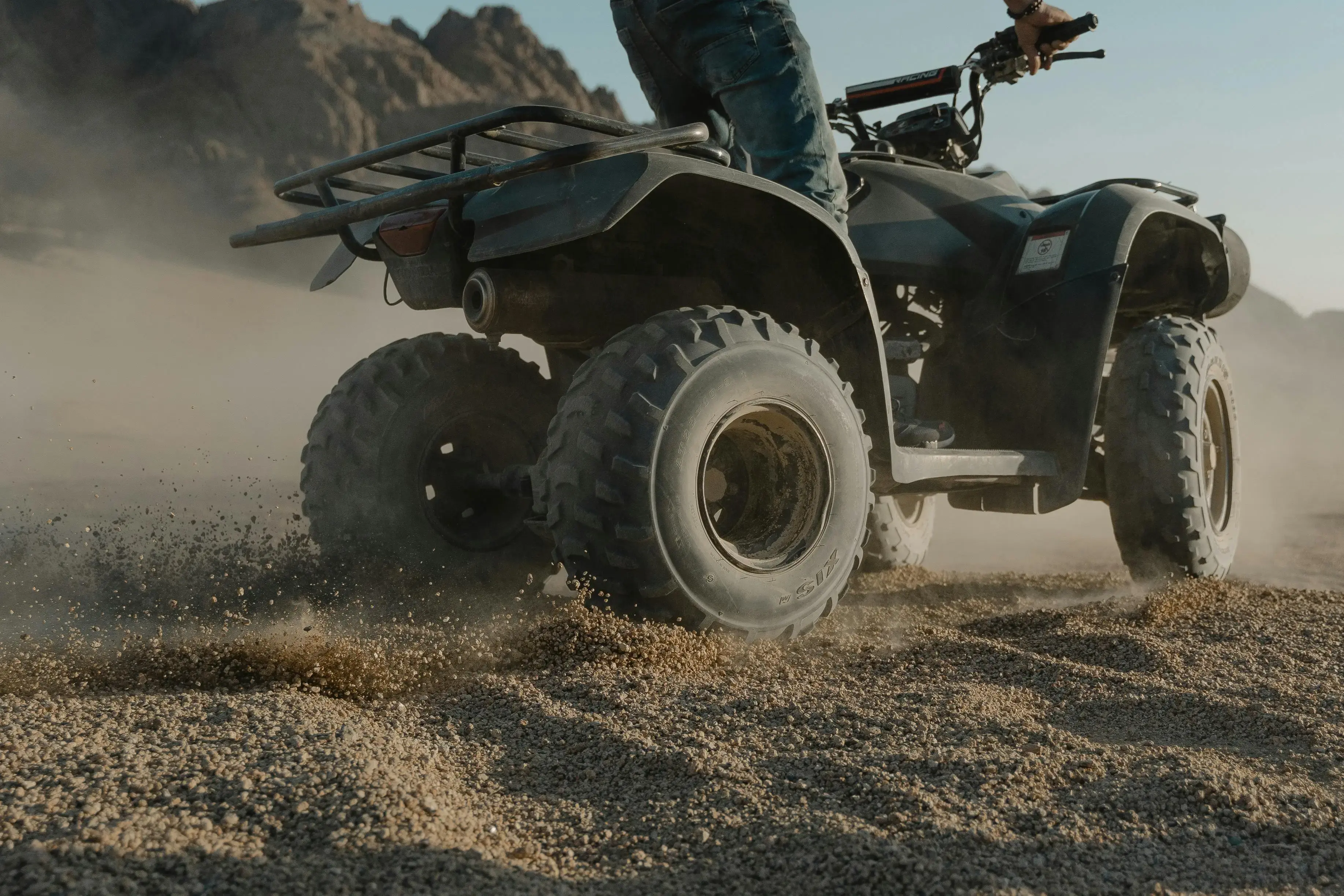
Ship ATVs USA to UK in 2026: Costs, Rules & Container Options
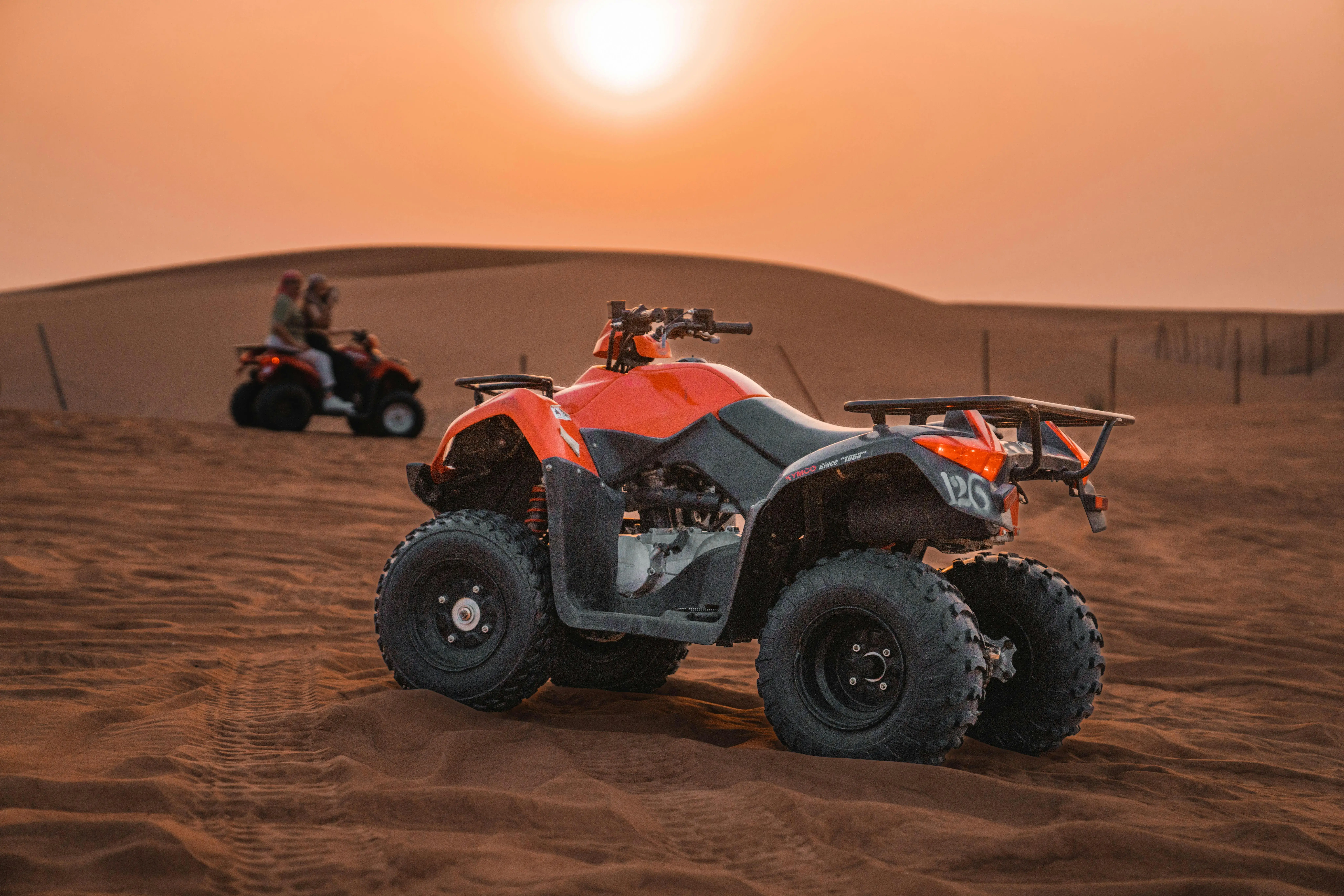
Common ATV Shipping Damage & How Pros Prevent It