

Since January 1 2026, an electric car in a container ships under its own UN number, UN 3556, with Class 9 labels on all four sides of the box. By air, the battery has to sit at 30% charge or less before the car is loaded.
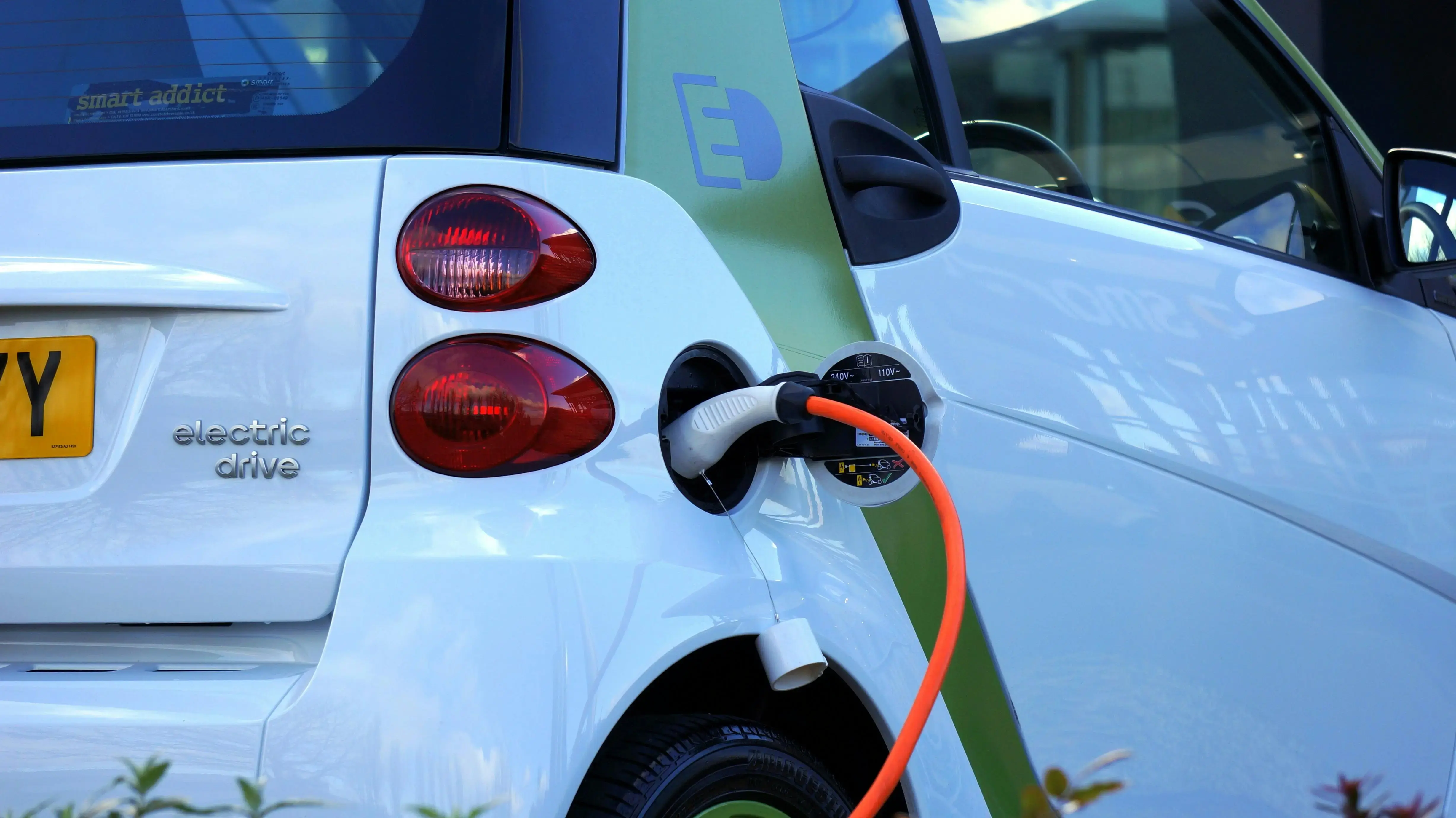
Shipping electric vehicles overseas still works the way it did: the car goes into a standard container as dangerous goods, with an undamaged battery. What changed are the labels, the paperwork and, by air, the charge level. Here is what each 2026 rule means for your car, plus the models carriers still won't load.
| Rule | Ocean | Air | In force since |
|---|---|---|---|
| Declared as UN 3556 (lithium-ion), UN 3557 (lithium metal) or UN 3558 (sodium-ion), Class 9 | Yes | Yes | Jan 1 2026 |
| Class 9 labels on all 4 sides of the container | Yes | No | Jan 1 2026 |
| No leaks; fuel tank at 1/4 or less on plug-in hybrids | Yes | No | Jan 1 2026 |
| Battery at 30% charge or less (any battery over 100 Wh) | No | Yes | Jan 1 2026 |
| Damaged or defective battery removed before loading | Yes | Carrier rules apply | In force |
Sources: IMDG Code Amendment 42-24 as published by Maersk (Jan 6 2026) and Arkas Line, IMDG special provision 961 as applied by Wallenius Wilhelmsen, and the IATA Dangerous Goods Regulations 67th edition as applied by DHL.
What Changed on January 1 2026: UN 3556 Replaces UN 3171
For years an EV in a container shipped under one generic entry, UN 3171 "battery-powered vehicle". Under IMDG Code Amendment 42-24, mandatory from January 1 2026, that entry no longer covers lithium or sodium-ion cars. A Tesla, a Taycan or a Rivian now ships as UN 3556, and Maersk warns that non-compliant shipments may be delayed, rejected or penalized.
The new number goes on the booking and on the dangerous goods paperwork. Our own team loads every car and handles every document, so the declaration matches the car in the box.
Ocean: Class 9 Cargo in a Standard Container
EVs and plug-in hybrids still ship in standard containers, both shared and exclusive. The car travels as Class 9 dangerous goods, and the container now needs Class 9 labels on all four sides before it gates in at the terminal. The vehicle can't leak from the engine, battery or fuel system, and a plug-in hybrid arrives with its fuel tank at 1/4 or less.
The dangerous goods declaration adds a carrier fee on top of the freight, and it varies by line and lane. Ask us for an EV quote rather than using the standard car price in the calculator. Each carrier sets its own EV policy by route, so we book every EV with a line that takes it on that lane. Our Middle East lanes take EVs to the UAE, Saudi Arabia, Oman and Jordan.
Air: 30% Charge or Less
From January 1 2026, the IATA Dangerous Goods Regulations (67th edition) make a 30% state of charge a strict requirement for any battery-powered vehicle with a battery over 100 Wh. Every road-going EV is over that line. Plan the charge before the car leaves for the airport warehouse, because a car delivered with a full battery has to be run down before it can fly.
Damaged Batteries Don't Ship
IMDG special provision 961 says a damaged or defective lithium battery installed in a vehicle must be removed, and Wallenius Wilhelmsen does not accept vehicles with damaged or defective lithium batteries for loading. We only load EVs with undamaged batteries. If we find a damaged battery at our warehouse, the car doesn't ship, and storage and in and out fees apply. Buying a salvage EV for export? Get the battery checked before you bid.
Recalled Cars Carriers Won't Load
Ocean carriers refuse some cars recalled for fire risk. These models carry a tow hitch module recall with a "park outside" warning:
- 2022-2023 Hyundai Santa Cruz (NHTSA recall 23V-181)
- 2019-2023 Hyundai Santa Fe (23V-181)
- 2021-2023 Hyundai Santa Fe Hybrid (23V-181)
- 2022-2023 Hyundai Santa Fe Plug-in Hybrid (23V-181)
- 2022-2023 Kia Carnival (23V-179)
We don't accept these vehicles for shipping, and we suggest you don't buy one for export. For any other car, run the VIN through the NHTSA recall lookup at nhtsa.gov/recalls before you bid.
EV Shipping FAQ
Can you ship an electric car overseas in a container?
Yes. Since January 1 2026 it ships as UN 3556 (lithium-ion), Class 9 dangerous goods, in a standard container with Class 9 labels on all four sides. The battery has to be undamaged.
What charge level does an EV need to ship by air?
30% state of charge or less. The IATA Dangerous Goods Regulations (67th edition) made it mandatory on January 1 2026 for battery-powered vehicles with a battery over 100 Wh.
Can you ship an EV with a damaged battery?
No. IMDG special provision 961 requires a damaged or defective lithium battery to be removed before the vehicle ships, and we don't load EVs with damaged batteries.
Which cars can't be shipped because of a recall?
Carriers refuse the 2019-2023 Hyundai Santa Fe (including Hybrid and Plug-in Hybrid) and the 2022-2023 Santa Cruz under NHTSA recall 23V-181, and the 2022-2023 Kia Carnival under 23V-179.
More EV Shipping Guides
- Importing electric and hybrid vehicles to the US
- Norway EV VAT and tax guide
- Shipping a car to Turkey from the USA
- Car shipping to Saudi Arabia
- Car shipping to Panama
- Car shipping to Cambodia
Ship Your EV Door to Door
Bought an EV in the US, or at an auction or event overseas? We ship door to door by ocean and air from our own warehouses in California, Florida and New Jersey, covering all of the US for imports and exports. Check your lane in the car shipping calculator, then ask us for the EV price.
It's your dream car. Let's bring her home.

EV Shipping Overseas: Battery Rules, Methods, Costs | 2026

Importing an Electric Car to the US: Rules and Duty | 2026
