

The distinctive styling, innovative space utilization, and superior build quality of German motorhomes and camper vans have created a growing community of American enthusiasts seeking alternatives to domestic RV options. While importing these European masterpieces presents unique challenges, the reward is a truly exceptional vehicle rarely seen on American roads.
At West Coast Shipping, we've assisted numerous clients in bringing these European gems across the Atlantic. This comprehensive guide explores everything you need to know about importing German motorhomes and camper vans to the United States—from understanding the most desirable brands to navigating complex regulations and evaluating the true costs involved.
The Appeal of German Motorhome Brands
German engineering excellence extends well beyond luxury automobiles to include some of the world's most innovative recreational vehicles. The German motorhome market has experienced substantial growth, with sales estimated at around 3.81 billion euros in 2022 despite global supply chain challenges.
Erwin Hymer Group: The European Leader
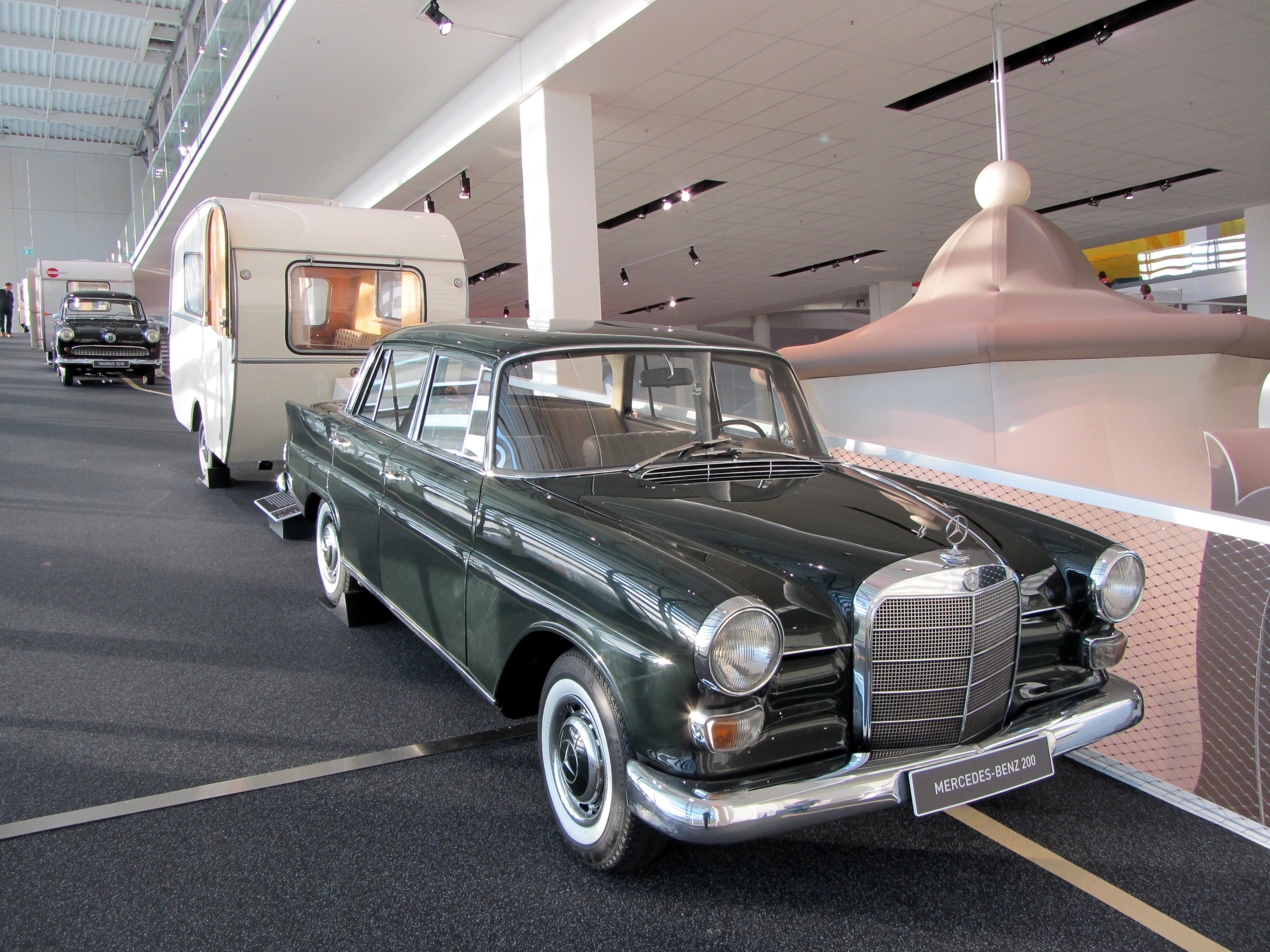
The Erwin Hymer Group stands as Germany's largest motorhome manufacturer, producing several distinguished brands under its umbrella:
Hymer: Known for pioneering integrated motorhome designs, Hymer vehicles feature exceptional build quality with innovative features like:
-
Advanced insulation for true four-season camping
-
Intelligent weight distribution for better handling
-
Modular furniture systems maximizing space efficiency
-
Distinctive aerodynamic styling
Hymer's B-Class and ML-T models are particularly coveted by American importers for their combination of luxury and compact design sensibilities.
Dethleffs: Family-Focused Innovation
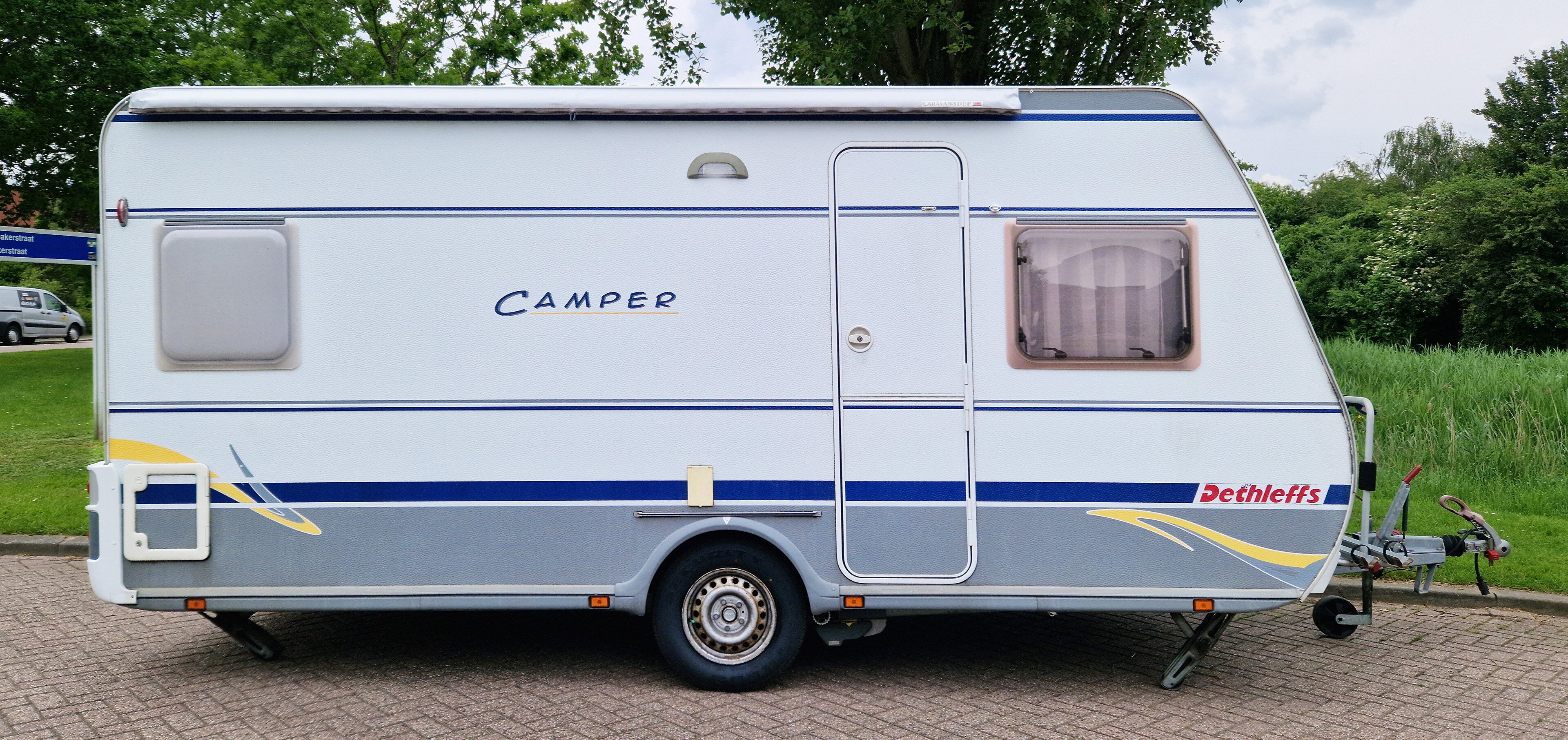
Founded in 1931, Dethleffs holds the distinction of inventing the first "caravan" (travel trailer) in Germany. Today, they're renowned for:
-
Family-friendly floor plans with practical solutions
-
"Scandinavian" inspired interiors with exceptional natural lighting
-
Industry-leading winterization packages
-
The revolutionary "e.home" all-electric motorhome concept
The Dethleffs Globetrotter and Nomad models represent the perfect balance of comfort and practicality that many American importers seek.
Weinsberg: Affordable German Quality
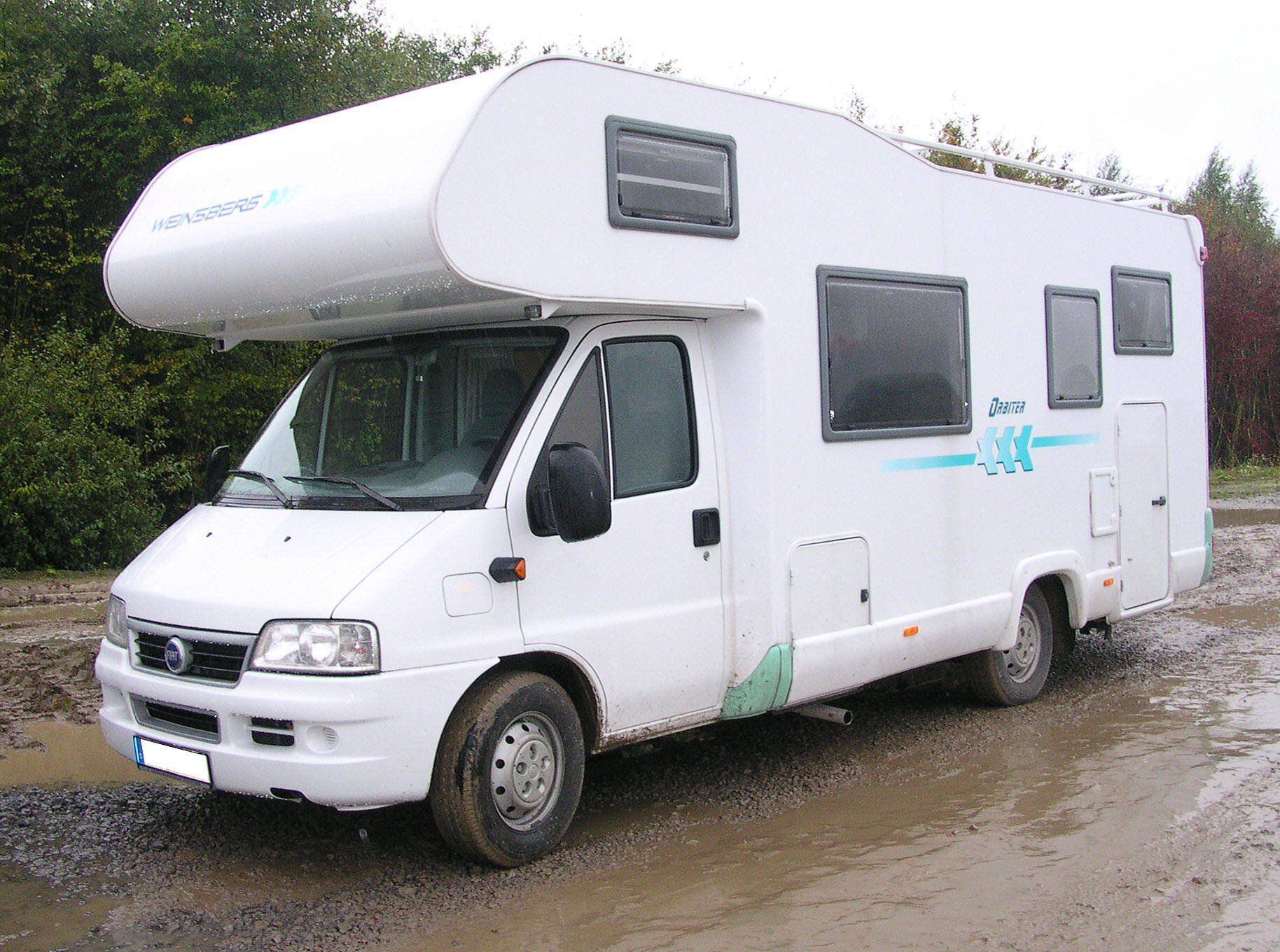
As part of the Knaus Tabbert group, Weinsberg offers entry-level access to German engineering excellence:
-
Modern, youthful styling that appeals to first-time RV owners
-
Innovative space-saving solutions in compact designs
-
High-quality components at competitive price points
-
The popular CaraBus and CaraTour vans based on Fiat platforms
Other Notable German Brands
The German motorhome landscape includes several other significant manufacturers:
-
Knaus: Known for cutting-edge design and technology integration
-
Bürstner: Specializes in elegant, home-like interior appointments
-
Carthago: Premium luxury motorhomes with distinctive styling
-
Volkswagen: The iconic California and Grand California camper vans
According to the Business Coot market study, semi-integrated models account for approximately 40% of the German market preference, offering the best balance of driving dynamics and living space.
The 25-Year Rule: Import Considerations for Motorhomes
The most critical factor in determining the complexity of importing a German motorhome is its age. Understanding the "25-Year Rule" is essential for any prospective importer.
Understanding Federal Import Regulations
As with passenger vehicles, motorhomes and camper vans must comply with U.S. regulations to be legally imported:
Vehicles Older Than 25 Years:
-
Exempt from Environmental Protection Agency (EPA) emissions standards
-
Exempt from Department of Transportation (DOT) Federal Motor Vehicle Safety Standards
-
Significantly simpler importation process
-
Can be registered in all states (with some California exceptions)
Vehicles Newer Than 25 Years:
-
Must comply with EPA emissions requirements
-
Must meet DOT safety standards
-
May require substantial modifications to achieve compliance
-
For most camper vans and motorhomes, practical compliance is nearly impossible
According to Reddit discussions on vehicle imports, "Vehicles that haven't gone through US crash test standards (or can't pass them) cannot be imported into the US unless they're over 25 years old." This makes the 25-year threshold the most significant consideration for potential importers.
Current Import-Eligible Models
For 2025, German motorhomes and camper vans manufactured in 2000 or earlier are eligible for straightforward importation under the 25-year exemption. Notable models include:
-
Early Hymer B-Class integrated motorhomes
-
Classic Volkswagen T4 Westfalia camper vans
-
First-generation Dethleffs Globetrotter models
-
Vintage Eriba Puck and Triton travel trailers
At West Coast Shipping, we maintain expertise in identifying the most desirable vintage German motorhomes that qualify for importation while offering the best value and durability.
Limited Temporary Import Options
One alternative to permanent importation exists for non-U.S. citizens or those with dual citizenship:
-
Foreign visitors can bring vehicles to the U.S. for up to one year
-
Vehicle must maintain foreign registration
-
Must leave the U.S. within the permitted timeframe
-
Cannot be sold during the visit
As noted in a Reddit discussion on European RV imports, "For very short term visits, you can get a temporary import that is good for 6 months to a year, but you can't renew it and you would have to have a foreign address."
Dimensional Considerations for German Motorhomes
German motorhomes and camper vans are designed for European roads and parking situations, creating both advantages and challenges for American importers.
Size Comparison: European vs. American Standards
European motorhomes typically feature:
-
Narrower overall width (often 2.2-2.3 meters/7.2-7.5 feet)
-
Shorter overall length compared to American Class A and C motorhomes
-
More compact wheelbase for tighter turning radius
-
Significantly different weight distribution and suspension tuning
These dimensional differences create both advantages (easier to drive and park) and challenges (potentially tighter interior space) for American users.
Width Regulations for U.S. Highways
According to Reddit discussions on tiny house transportation, standard width restrictions for U.S. roads are:
-
Standard vehicle width limit: 8.5 feet (2.59 meters)
-
Permits required for vehicles exceeding this width
-
Special "wide load" requirements apply at 10+ feet wide
Most German motorhomes fall within standard width limits, making them street-legal without special permits—unlike many larger American motorhomes that require special considerations for travel.
Height Considerations
European motorhomes typically have lower overall heights than their American counterparts:
-
Average height of 2.8-3.2 meters (9.2-10.5 feet)
-
Lower profile for improved fuel efficiency
-
Consideration for European height restrictions and parking structures
This lower profile can be advantageous for travelers concerned about bridge clearances and wind resistance.
Shipping Options for German Motorhomes
Transporting a motorhome across the Atlantic requires careful planning and specialized shipping solutions. West Coast Shipping offers several options tailored to recreational vehicles:
Container Shipping for Camper Vans
Smaller camper vans like the Volkswagen California or Mercedes Marco Polo fit within standard shipping containers:
-
Complete protection from elements and handling
-
Secure, locked environment throughout transit
-
Available for both running and non-running vehicles
-
Option for personal items to be shipped inside (subject to customs regulations)
For compact camper vans under 8 feet wide, container shipping offers the best combination of security and convenience.
RoRo (Roll-on/Roll-off) for Larger Motorhomes
For larger motorhomes that exceed container dimensions, RoRo shipping provides a viable alternative:
-
Vehicle is driven directly onto specialized vessels
-
Lower cost than container shipping for larger vehicles
-
Only available for operational vehicles
-
No personal belongings allowed inside during transit
-
More exposure to elements during shipping
Documentation and Compliance Requirements
Successful importation requires careful documentation preparation and compliance with multiple regulatory agencies.
Essential Import Documentation
When importing a German motorhome, you'll need:
-
Original title or ownership documents
-
Bill of sale with clear valuation
-
Vehicle specification sheet detailing dimensions and weight
-
Detailed photographs of vehicle identification numbers
-
EPA Form 3520-1 (for emissions compliance)
-
DOT Form HS-7 (for safety standard compliance)
-
CBP Form 7501 (Entry Summary)
Emissions Compliance for Older Motorhomes
Even with the 25-year exemption, importers should be aware of:
-
EPA exemption verification requirements
-
Potential state-level emissions testing in California and other areas
-
Requirements to maintain original emissions equipment
-
Demonstration that the vehicle was not modified to circumvent regulations
Motorhome-Specific Import Considerations
RVs present unique customs considerations beyond standard vehicles:
-
Classification as "house on wheels" vs. normal vehicle
-
Appropriate tariff code determination
-
Valuation methods for vintage models
-
Handling of built-in appliances and fixtures
At West Coast Shipping, our specialists understand the nuances of RV imports and ensure proper classification and documentation to prevent costly delays or complications.
Complete Cost Analysis: German Motorhome Import
Understanding the full financial picture is essential when evaluating the feasibility of importing a German motorhome.
Vehicle Acquisition Costs
The base purchase price for German motorhomes varies widely:
-
Vintage models (25+ years old): €15,000-€50,000 depending on condition and model
-
Premium luxury vintage models: €50,000-€100,000+
-
Current-production models (temporary import only): €60,000-€150,000+
Shipping and Transportation Costs
Based on current West Coast Shipping rates and market information from Artemus Group, expect:
-
Container shipping (smaller camper vans): $2,950-$3,500
-
RoRo shipping (larger motorhomes): $3,000-$4,500
-
Inland transportation in Germany: $300-$800
-
U.S. inland transportation: $500-$1,500 depending on destination
Import Duties and Taxes
When importing from Germany, budget for:
-
Standard vehicle import duty: 2.5% of declared value
-
Motorhome-specific classifications may apply different rates
-
Harbor Maintenance Fee: 0.125% of declared value
-
Merchandise Processing Fee: 0.3464% of declared value
-
State sales/use tax: Varies by registration state (typically 5-10%)
Compliance and Modification Costs
For vintage motorhomes over 25 years old:
-
Minimal compliance modifications required
-
Basic safety updates recommended: $500-$1,500
-
Electrical system modifications (European 220V to US 110V): $800-$2,500
-
EPA/DOT exemption processing: $300-$700
Total Cost Comparison Example
Example: 1995 Hymer B544 Motorhome
-
Purchase price in Germany: €25,000 ($27,500)
-
Shipping via RoRo: $3,200
-
Import duty and fees: $850
-
Customs clearance: $450
-
U.S. inland transportation: $1,100
-
Electrical modifications: $1,800
-
Total landed cost: Approximately $34,900
This compares favorably to similar-quality domestic options, which often start at $50,000+ for older premium models in comparable condition.
West Coast Shipping: Your Partner for German Motorhome Imports
With nearly two decades of experience in international vehicle transportation, West Coast Shipping offers specialized services for importing German motorhomes and camper vans:
Comprehensive Import Solutions
Our door-to-door service handles every aspect of your motorhome import:
-
Vehicle inspection and valuation assistance in Germany
-
Complete documentation preparation
-
Secure shipping arrangements
-
Customs clearance management
-
Delivery to your location in the United States
Expert Guidance on Vehicle Selection
Our team can help identify the perfect import candidate:
-
Advice on models eligible under the 25-year rule
-
Evaluation of condition and restoration needs
-
Assessment of parts availability in North America
-
Guidance on models with the best value retention
Documentation and Compliance Expertise
We navigate the complex regulatory landscape:
-
Proper classification for optimal duty rates
-
EPA/DOT exemption processing
-
State-specific registration guidance
-
Coordination with customs authorities
Is Importing a German Motorhome Right for You?
Importing a vintage German motorhome offers American enthusiasts access to exceptional vehicles combining innovative design, quality construction, and distinctive European styling rarely seen on U.S. roads.
While the process involves more complexity than purchasing domestically, the 25-year rule creates a viable pathway for importing classic models that often represent better value and higher quality than comparable domestic options.
For those willing to embrace the unique character of German motorhomes—including their distinctive layouts, efficient space utilization, and European aesthetic—importation opens doors to exceptional vehicles with growing collector appeal and practical usability.
Ready to begin your German motorhome import journey? Contact our specialized import team today for a personalized consultation and discover how West Coast Shipping can make your European RV dreams a reality.


25-Year Rule for US Car Imports 2025: Complete Classic Import Guide

Top British Classics U.S. Buyers Import Most